 Free shipping on orders over £29,85
  Shipping Tracking!


 Google
 Facebook
how to make a resin bracelet
Step-by-step guide for beginners to craft unique resin jewellery.


Creating your own resin bracelet lets you combine artistry and personal style in a wearable form. This comprehensive guide walks you through each stage of the process, from preparation to final finishing, ensuring beautiful and durable results even if you are new to resin jewellery making.
What You’ll Need
- “Evershine Collection” – Artisan Jewellery Epoxy Resin Kit with 100+ Accessories: A complete resin kit ideal for beginners and enthusiasts seeking clarity and a stress-free experience.
- “UV–Creation” – Fast Acrylic Resin, 3 Minute UV Cure: Perfect for quick projects with instant UV curing and glossy finishes.
- “One-2-One” – Epoxy Resin for Handcraft, 1:1 Mixing Ratio: Suitable for those who want a non-toxic, easily mixed resin for jewellery.
- “ICreation” – Fast Epoxy Resin, 6h Demoulding, Transparent Gloss Finish: Speeds up the process for makers wanting fast, glossy bracelet results.
- Silicone bangle or bracelet moulds
- Gloves and protective apron
- Mixing cups and sticks
- Optional: Colour pigments, glitters, dried flowers, embedding objects
- Sanding pads or micro-mesh for finishing
- UV lamp (if using UV-cure resin)

Inspiration: Resin Bracelets in Progress
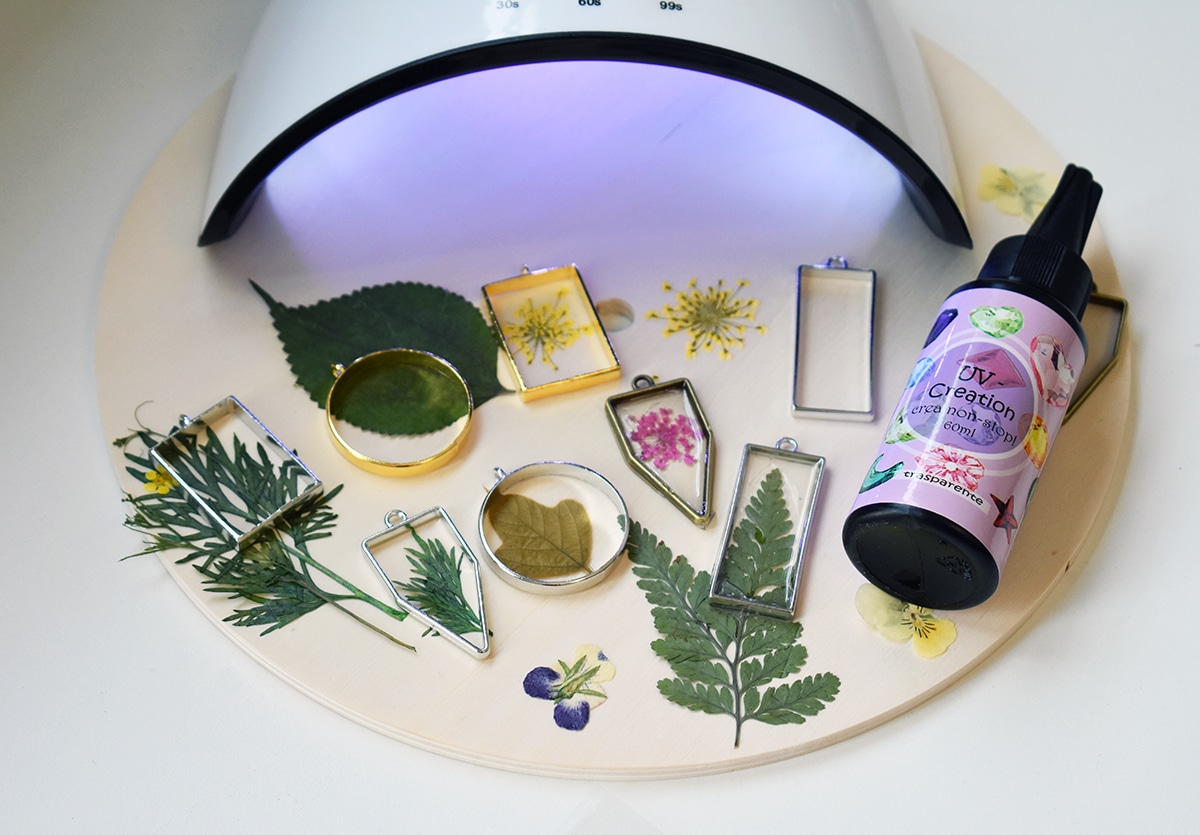
Experiment with colours, inclusions, and textures to make each resin bracelet unique. Try dried flowers, metallic foils, or marbled effects for added elegance and personal flair.
Step 1: Prepare Your Workspace and Materials
Start by selecting a tidy, dust-free area with good ventilation. Lay down a protective mat to keep surfaces clean and avoid any spills. Gather all materials and ensure your silicone bracelet mould is free from dust or debris—any lint or particles will imprint on the finished piece. Secure gloves and a protective apron to keep hands and clothing safe.
Choose the type of resin according to your timing needs. For example, if you need a reliable, all-in-one solution with plenty of creative options such as pigments and findings, the “Evershine Collection” – Artisan Jewellery Epoxy Resin Kit with 100+ Accessories offers everything required to begin.
Step 2: Mix and Colour the Resin
Always measure your resin and hardener accurately based on your resin’s directions—most kits use a simple 1:1 ratio, while some fast-cure products such as “ICreation” – Fast Epoxy Resin, 6h Demoulding use a 2:1 ratio. Add both parts to a mixing cup, then stir slowly and thoroughly for 2–3 minutes until fully blended, scraping sides and base to avoid streaks that cause weak spots.
To customise your bracelet, introduce pigments, glitters, or natural inclusions. Many starter kits feature a range of colour options and dried flowers for unique effects. Stir gently after adding these extras, being mindful to avoid bubbles.
Step 3: Pour Resin into the Bracelet Mould
Work on a clean, level surface to keep your resin even. Slowly pour the mixed resin into your silicone mould, filling it just below the rim. Gently tap your mould on the table to release air bubbles. If using a UV resin such as the “UV–Creation” – Fast Acrylic Resin, ensure you pour no thicker than 3mm for each layer before curing under a UV lamp for the best result.
Consider layering different colours or embedding decorative pieces between pours, allowing brief curing (for UV resins) or gelling (for epoxies) to keep inclusions suspended.
Step 4: Cure and Demould Your Bracelet
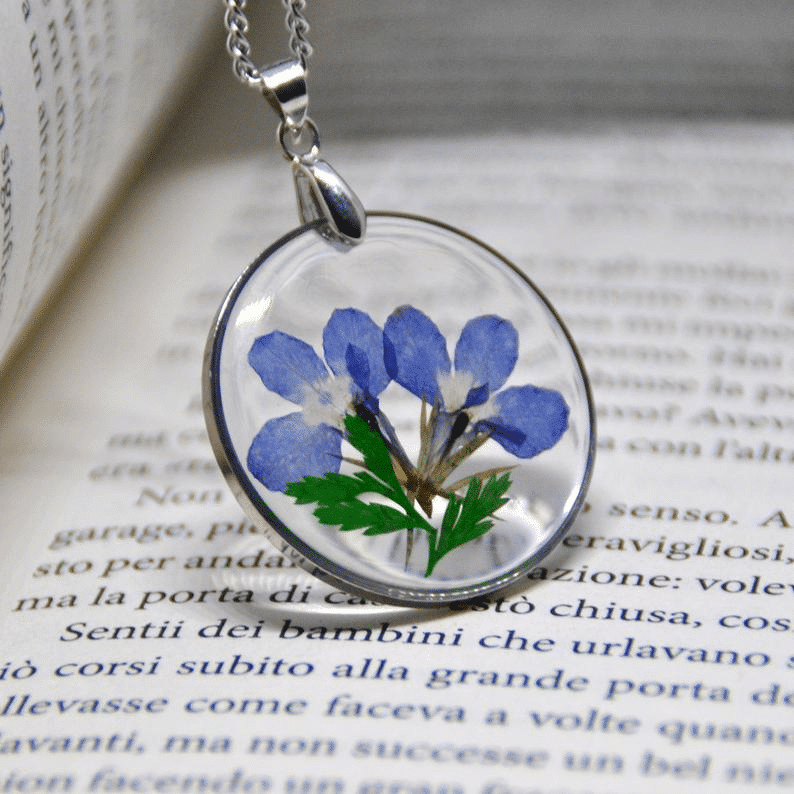
Check the instructions for your chosen resin. UV-cured resins typically harden in 2–3 minutes under a lamp; epoxy resins need several hours to set. For rapid projects, ICreation enables de-moulding in as little as 6 hours, while classic kits take 12–24 hours for best results. Protect the curing piece from dust and movement during this time.
Once the resin is fully cured and the bracelet is firm to the touch, gently remove it from the silicone mould, flexing the mould as needed to avoid cracks or stress marks.
Step 5: Finish and Polish Your Bracelet
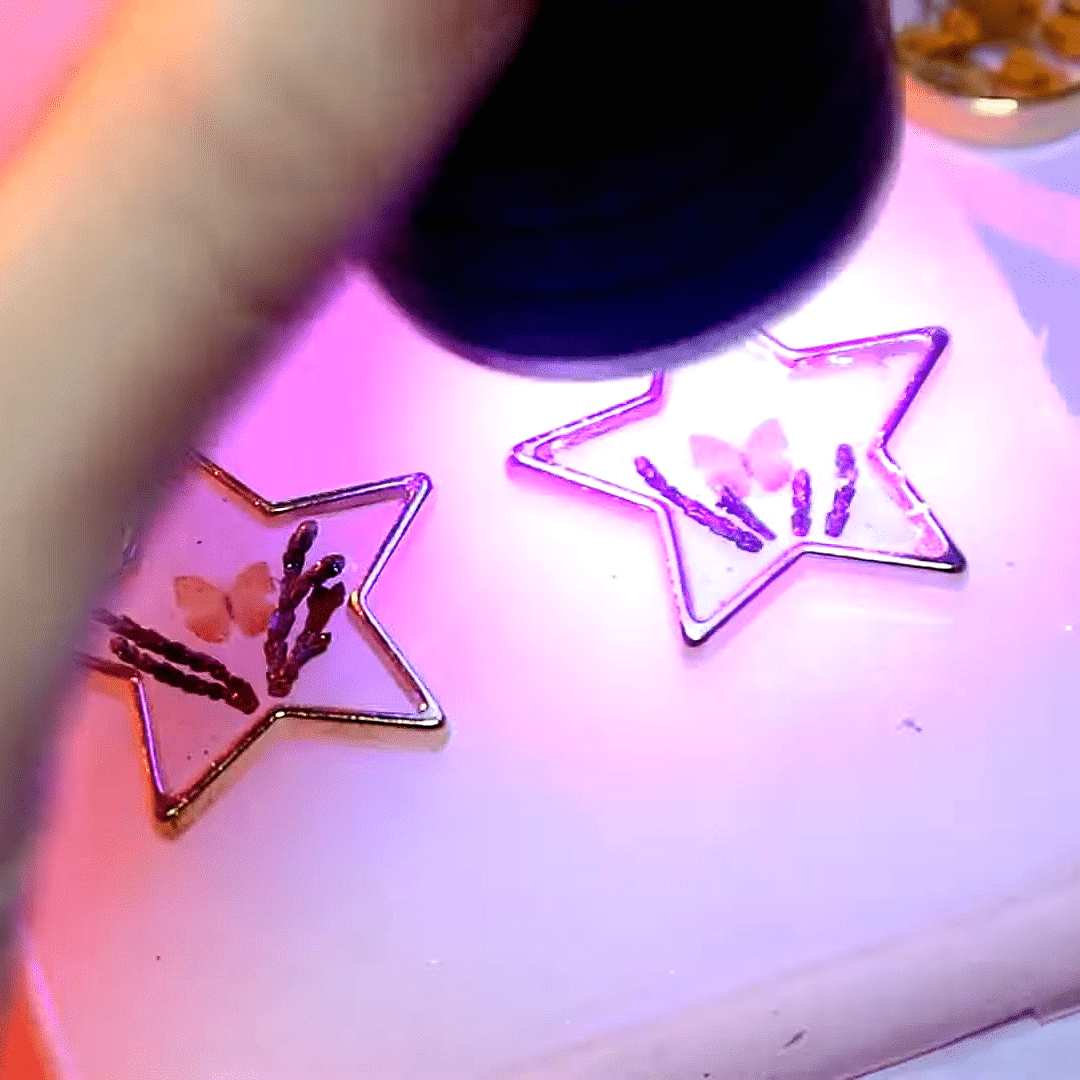
Take your time with mixing and finishing for a professional result. If the bracelet edges feel sharp or rough after de-moulding, gently sand them with fine-grit sandpaper or micro-mesh pads while rinsing under water to prevent dust. Polish the surface for extra shine, or leave it matte for a natural look.
For added flair, attach charms or metal findings as included in some starter kits. Let your bracelet rest an additional day if desired to reach its maximum strength.
Tips and Troubleshooting for Flawless Resin Bracelets
- Avoid overfilling your moulds to reduce cleanup and ensure smooth edges.
- Let your piece cure fully before de-moulding—rushing this step leads to warping or sticky surfaces.
- If bubbles appear, use a toothpick to pop them or pass warm air briefly over the resin.
- Store mixed resin out of direct sunlight to ensure even curing and clarity.
- Always read your specific product instructions, as different resins may vary in cure times or compatibility with pigments.
Showcase: Stunning Finished Resin Bracelets
For the ultimate finish, polish or buff your resin bracelet for extra gloss, or embrace a matte look for a sophisticated alternative. Explore complete kits for more creative opportunities.
- "Evershine Collection" – Artisan Jewellery Epoxy Resin Kit with 100+ Accessories£20.85This kit provides 500g of crystal-clear resin and over 100 accessories, designed for jewellery makers and craft enthusiasts.
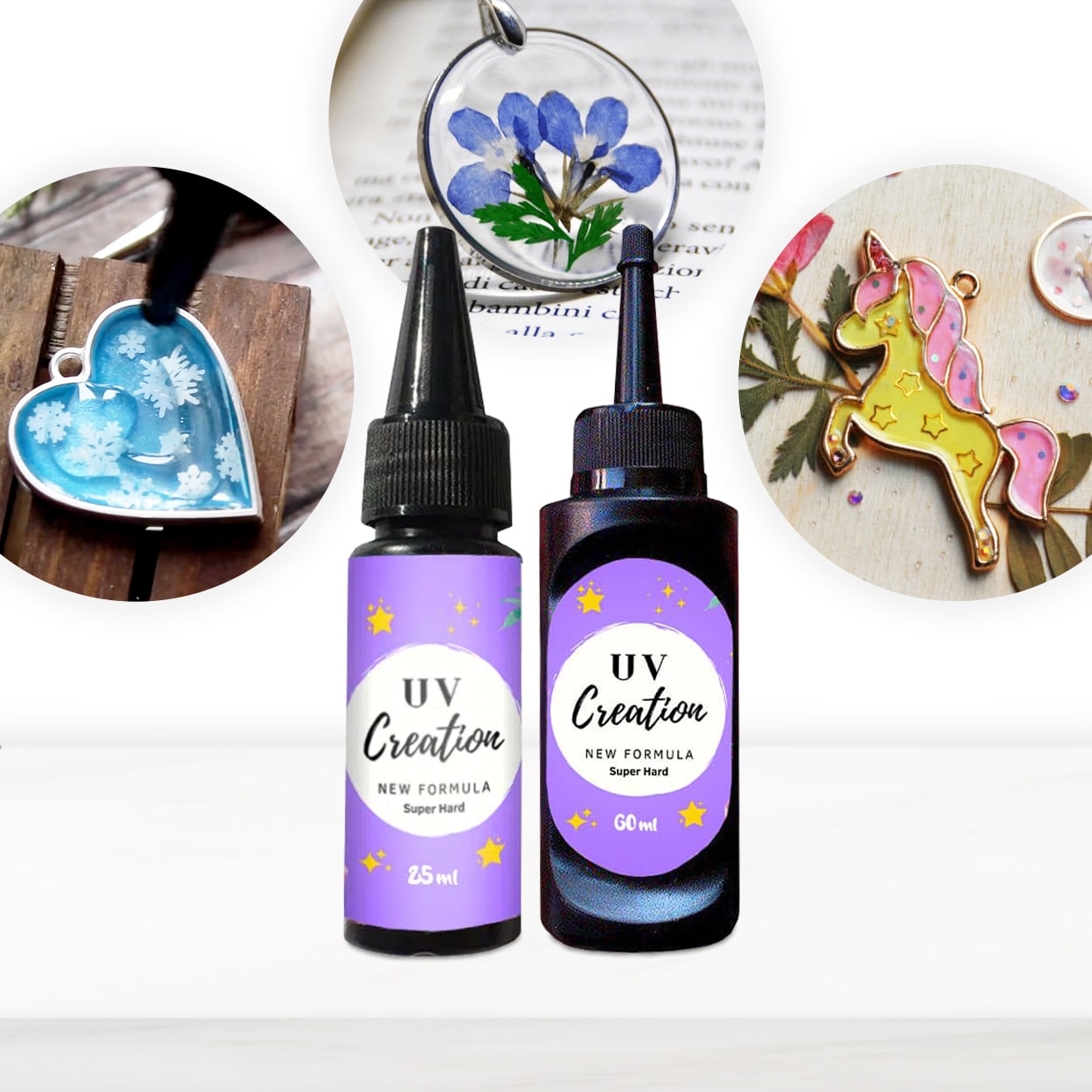
- "UV–Creation" – Fast Acrylic Resin, 3 Minute UV CurePrice range: £7.85 through £59.85"UV–Creation" is a fast-curing acrylic UV resin designed for jewellery makers, providing a clear, glossy finish suitable for bracelet making.
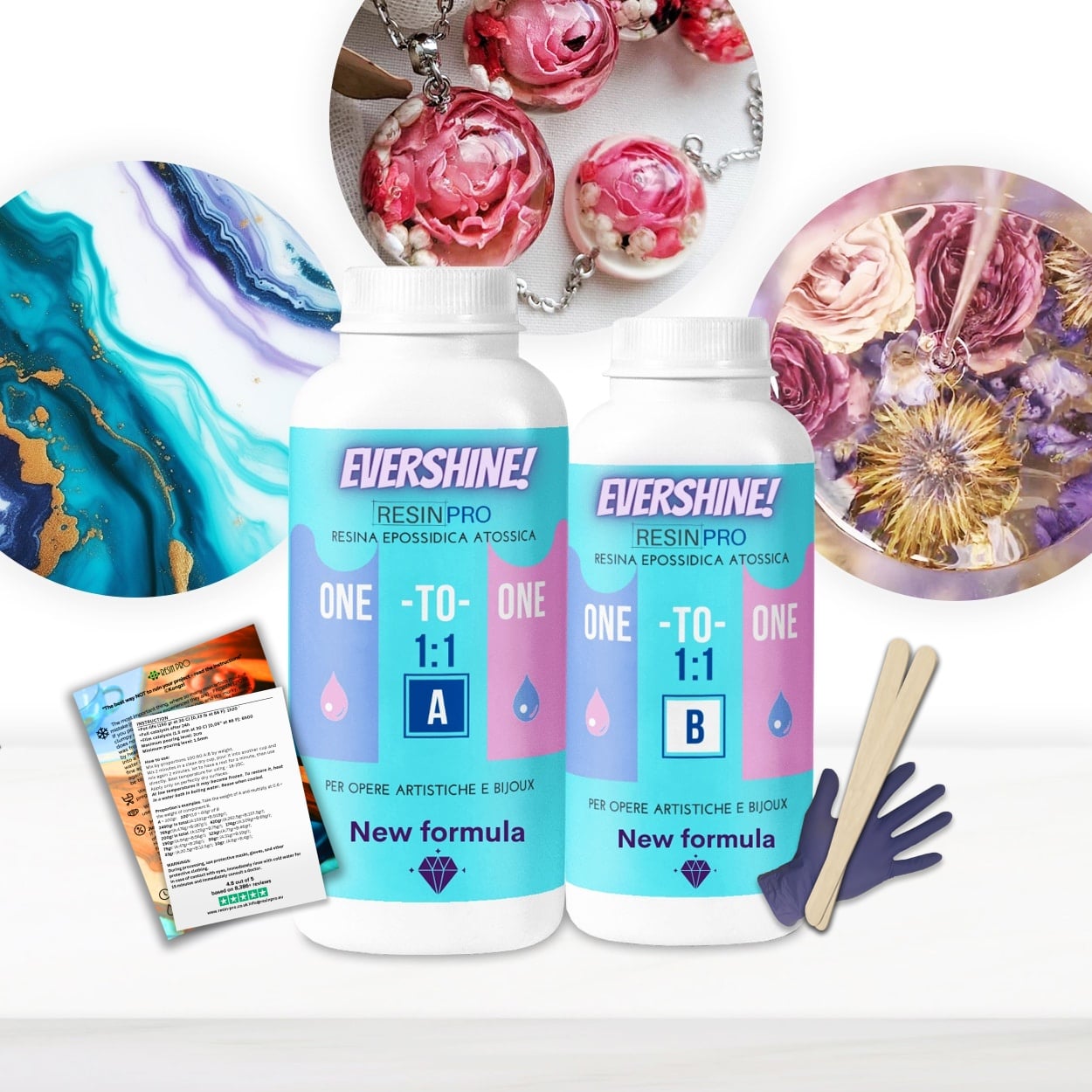 "One-2-One" – Epoxy Resin for Handcraft, 1:1 Mixing RatioPrice range: £14.85 through £56.85"One-2-One" epoxy resin offers a medium viscosity and easy 1:1 volume mixing, suitable for beginners crafting jewellery and decorative items.
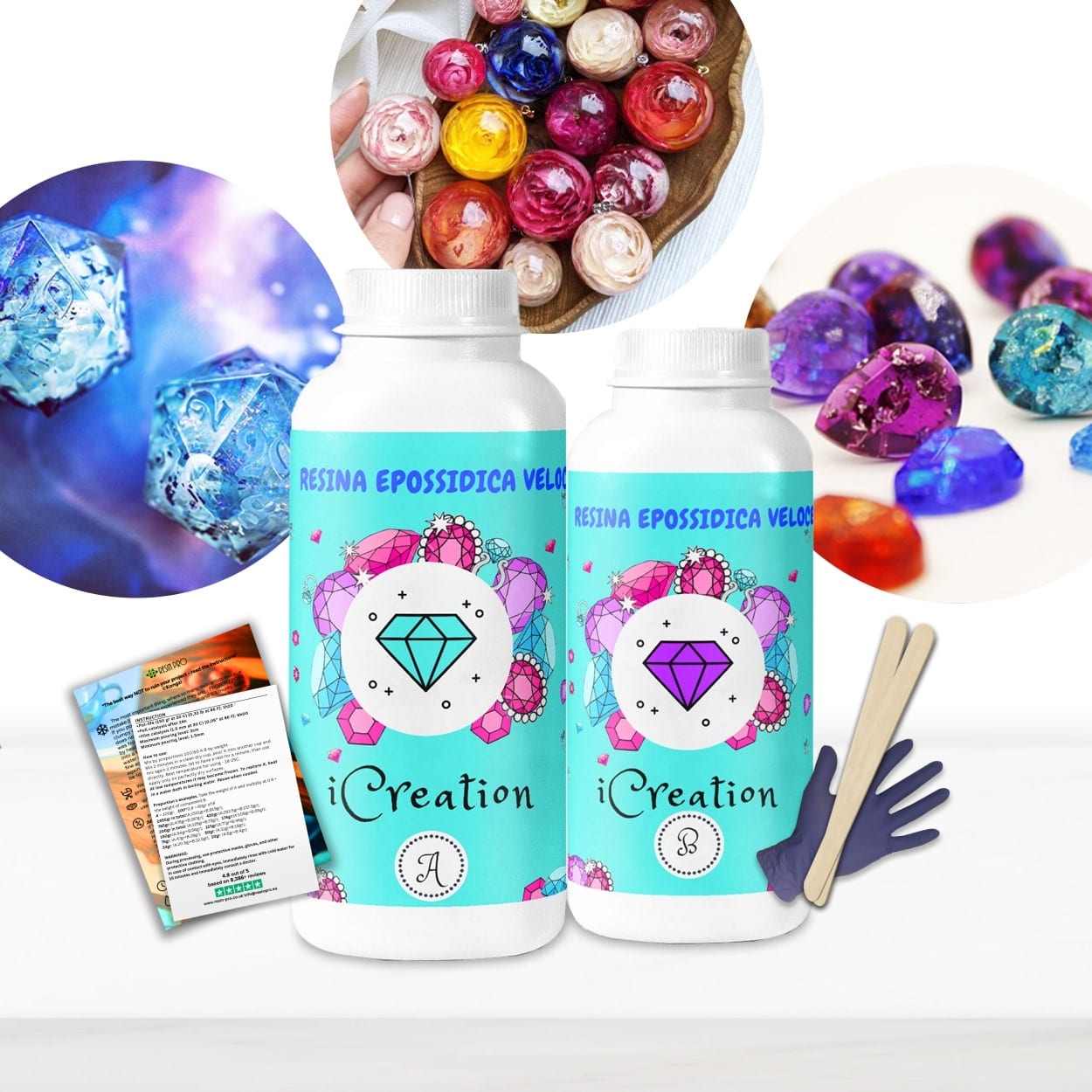 "ICreation" – Fast Epoxy Resin, 6h Demoulding, Transparent Gloss FinishPrice range: £19.40 through £52.85This fast epoxy resin offers a transparent, glossy finish with a 6-hour demoulding time, suitable for resin jewellery and craft projects.
Frequently Asked Questions
What is the best type of resin for making bracelets?
Epoxy resin and UV-cure resin are both suitable. Choose based on your speed, clarity, and design needs.
How long does a resin bracelet take to cure?
UV-cure resins set in minutes under a lamp; most epoxy resins require 6 to 24 hours depending on the product.
Can you add colour or dried flowers to resin bracelets?
Yes, pigments and inclusions like dried flowers or glitter can be mixed into resin for unique effects.
Why is my resin bracelet sticky after curing?
Improper mixing, inaccurate measurements, or insufficient curing time can cause stickiness. Review the instructions for your resin.
Do I need a release agent for silicone bracelet moulds?
Usually not. High-quality silicone moulds allow for easy demoulding, but a mould release can help extend mould life.
How do I smooth the edges of my resin bracelet?
Use fine sanding pads or micro-mesh under water, then polish for a professional finish.