 Free shipping on orders over £29,85
  Shipping Tracking!


 Google
 Facebook
← Back to How to make a resin coffee table for the living room?
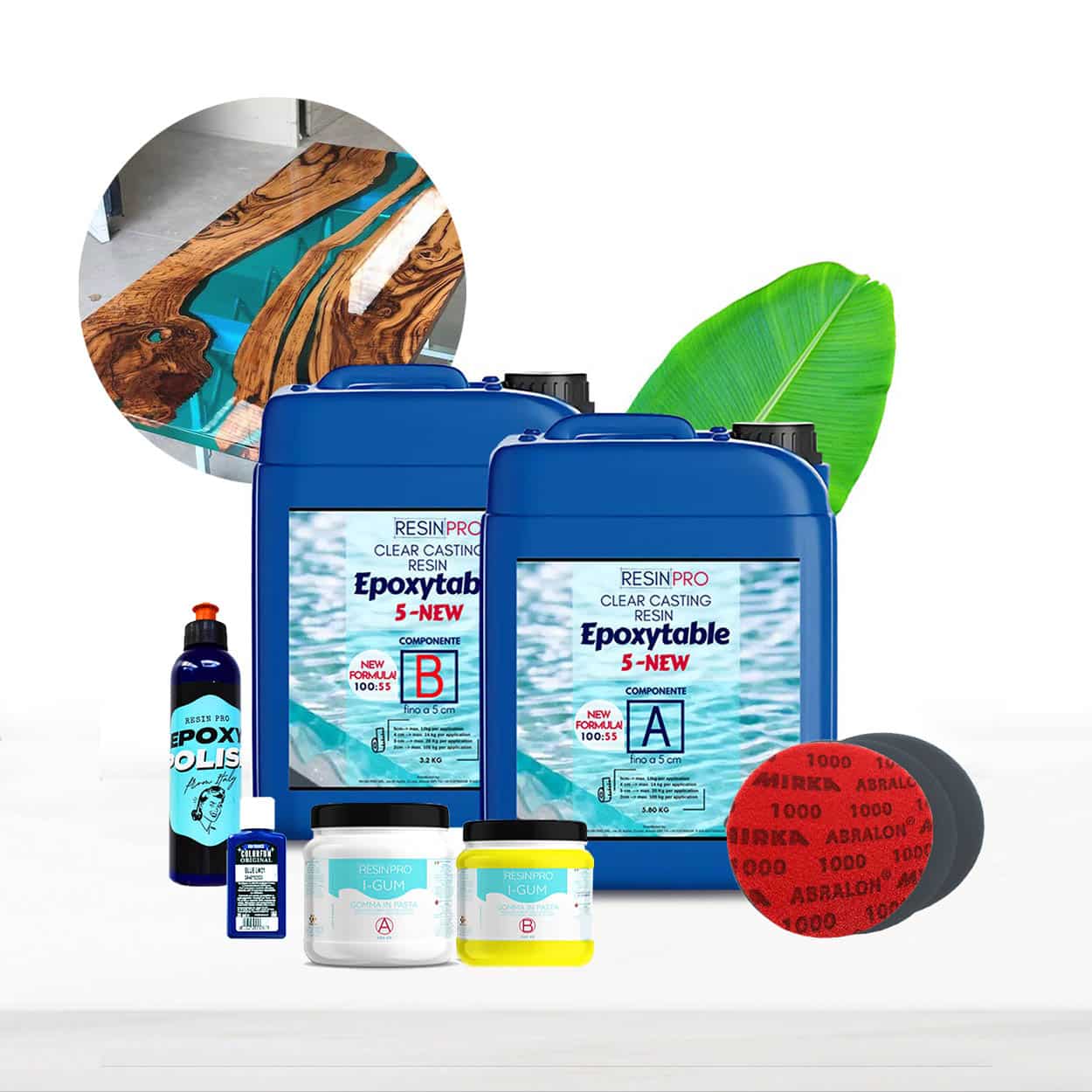
Achieving a flawless resin coffee table starts with correctly measuring and mixing your epoxy resin. Precision at this stage helps you avoid common issues like sticky surfaces, improper curing, or cloudy results.
Why Accurate Measurement Matters
In epoxy table making, the right resin-to-hardener ratio is crucial. An imbalance can lead to poor curing, surface tackiness, or weakened durability. Always follow the manufacturer’s instructions for your chosen product. For example, the “River-Table” Complete Kit provides detailed guidelines to help beginners get reliable results.
Best Practices for Mixing Epoxy Resin
- Use digital scales to measure each component precisely.
- Select clean, dry containers for mixing.
- Pour both parts slowly and stir gently for several minutes, scraping the sides and bottom.
- Avoid whipping, which introduces bubbles that can mar the finish.
Work in a dust-free area and prepare all materials before you begin. For deeper pours, such as those using EpoxyTable 5-Five, the mixing process may require extra care to ensure an even cure.
When This Matters Most
If you plan to create a transparent river effect or embed decorative objects in your table, precise mixing is especially critical. Any error can cause cloudiness, bubbles, or incomplete setting, impacting both the look and the structural strength of your coffee table.
Related products
Related guides
By mastering the technique of measuring and mixing your epoxy resin, you lay the groundwork for a professional-quality coffee table that enhances your living room. For a step-by-step guide to the whole process, visit our main page on how to make a resin coffee table for the living room.