 Free shipping on orders over £29,85
  Shipping Tracking!


 Google
 Facebook
← Back to How do you make a resin casting?
Finding your resin casting sticky or soft can be disappointing after spending time on a project. Understanding why this happens is key to achieving professional, durable results every time.
Common Causes of Sticky Resin
Sticky or tacky resin is typically a result of one of two factors: incorrect mixing ratios or inadequate blending. Most epoxy resins require precise proportions of resin to hardener, and a deviation from the recommended ratio means the chemical reaction won’t complete fully. Likewise, not stirring thoroughly can leave parts of the mixture uncured, leading to sticky patches or a soft surface. Always use clean, separate measuring equipment and mix for the amount of time advised by your chosen resin product.
Practical Steps to Avoid Sticky Castings
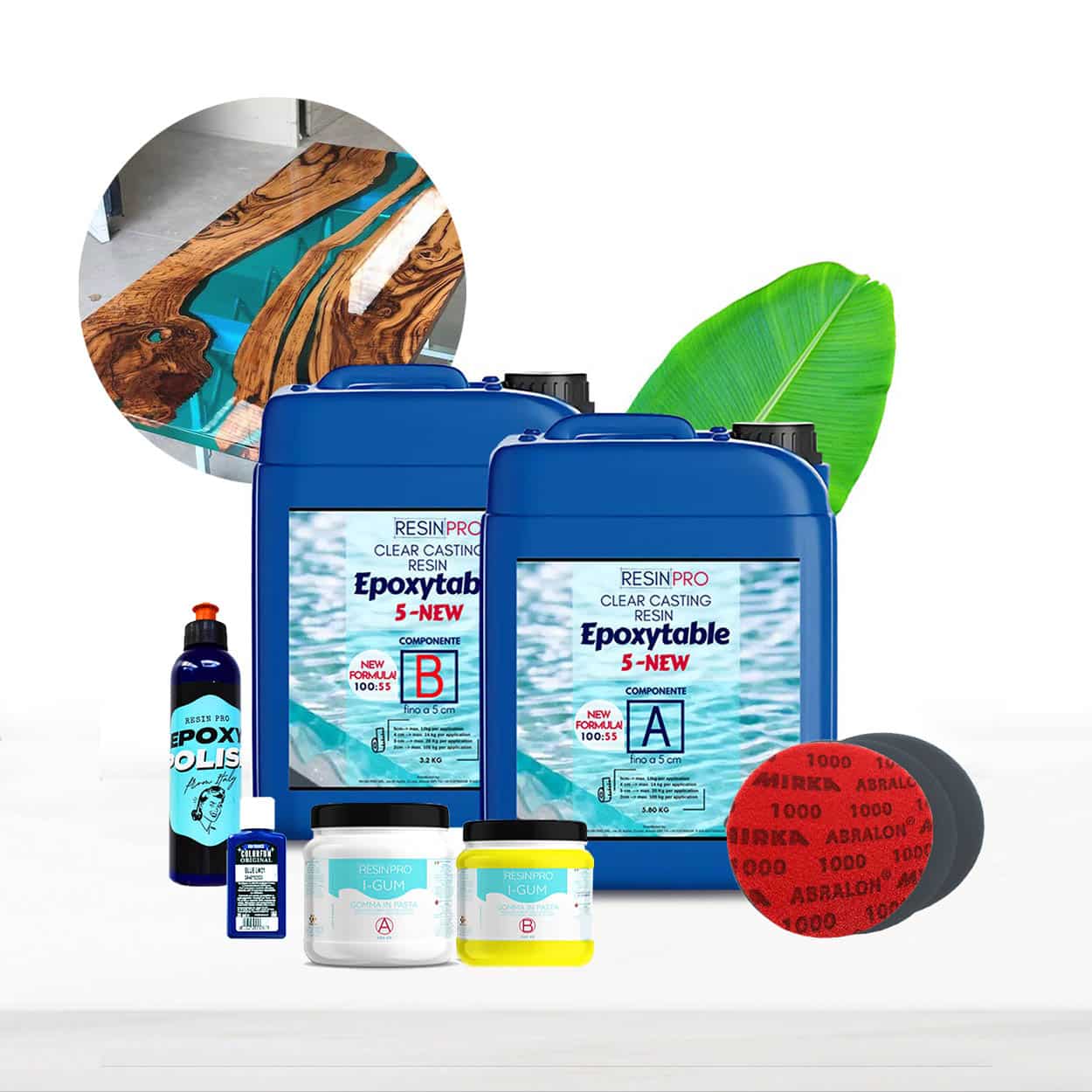
- Read the instructions: Every resin product, such as the River-Table Complete Kit, includes a specific mixing ratio—these can vary between products.
- Accurate measuring: Use digital scales or appropriate measuring jugs for the resin and hardener. Eyeballing often leads to errors.
- Mix thoroughly: Ensure you scrape the sides and bottom of the container so all parts are fully blended.
- Avoid shortcuts: Rushing the process can cause unmixed areas, so mix for the whole recommended period.
If you do end up with tacky resin, sometimes a thin layer can be improved by applying a fresh, correctly mixed batch over the top once the surface is dust-free.
When Sticky Castings Matter Most
Sticky, soft, or unevenly cured resin can lead to issues—especially if you’re creating functional items like jewellery or tabletops, or want a glass-like, hard finish. Ensuring your mix is spot-on matters most in these situations, as reworking or sanding a soft piece is often difficult.
Related products
Related guides
Mastering resin mixing and curing techniques is essential for successful castings. For more help with flawless projects, explore detailed guides and kits on our main page: How do you make a resin casting?