 Free shipping on orders over £29,85
  Shipping Tracking!


 Google
 Facebook
how do you work with liquid resin?
A beginner’s guide to safe, creative, and flawless resin handling


Working with liquid resin opens up endless creative possibilities, from striking jewellery to durable table coatings. Whether you’re new to resin or looking to refine your technique, this guide will take you step by step through the essentials of safe handling, precise mixing, effective pouring, bubble removal, and getting a crystal-clear finish. By following these methods, you’ll be well equipped to create beautiful projects with professional results while avoiding common pitfalls.
What You’ll Need
- “One-2-One” – Epoxy Resin for Handcraft, 1:1 Mixing Ratio—Ideal for jewellery, cabochons, and detailed crafts
- “Trasparente” – Multipurpose Clear Epoxy Resin for Casting – Up to 2cm—Perfect for casting and small tabletops
- Pure Isopropyl Alcohol 99.9% – 1000ml Bottle for Epoxy Resin Projects & DIY—For bubble removal and surface cleaning
- Nitrile Gloves – 50 Pairs (100 Pieces)—Protect your hands from chemicals and sticky mess
- Mixing cups and sticks (included in some resin kits)
- Protective apron and work surface cover
- Level surface with good ventilation
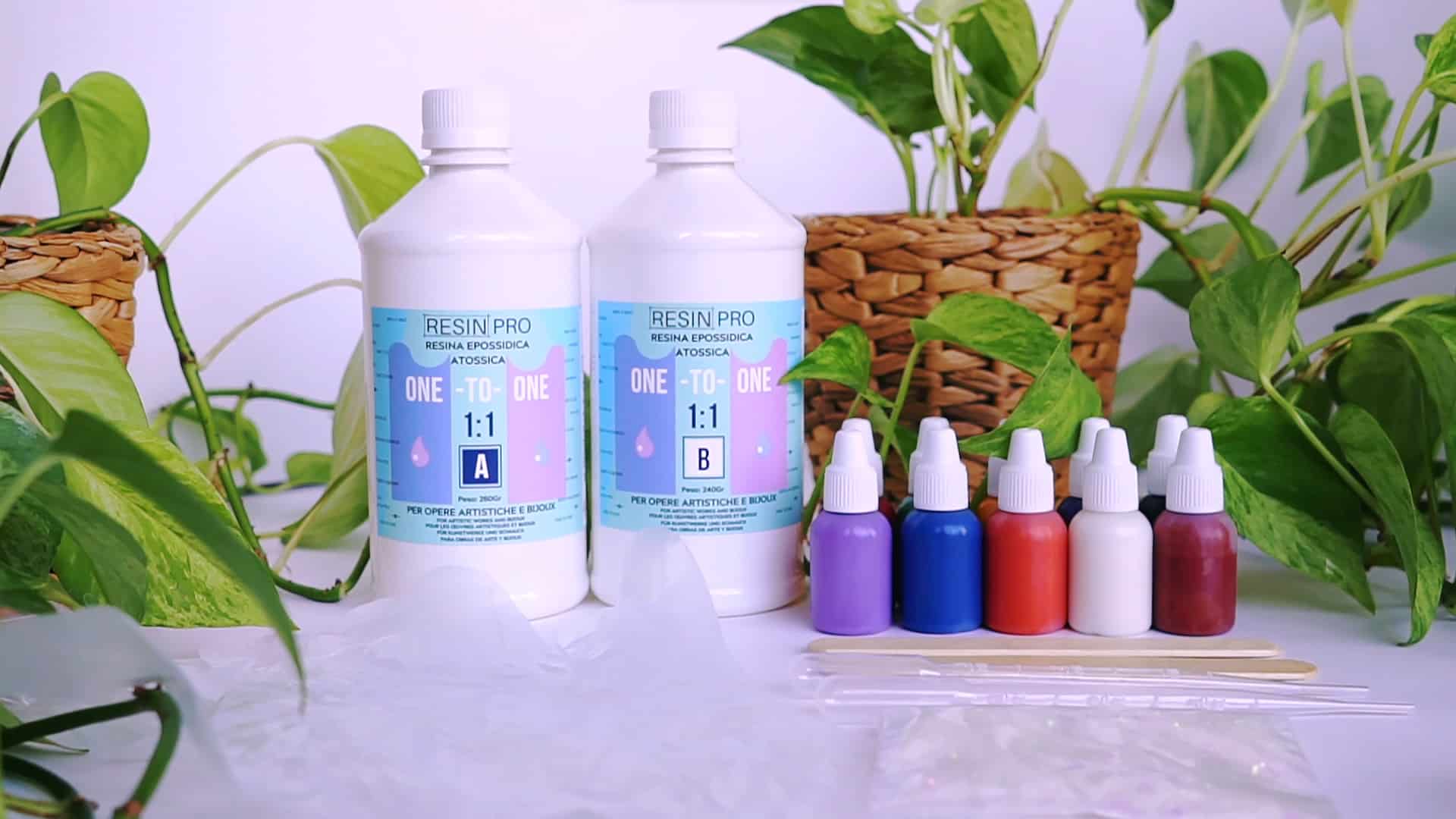
Workspace Essentials for Liquid Resin Success
Set up your area with more than just tools—ensure you have a clean, level workspace, strong ventilation, and protective coverings for surfaces. Always keep protective gloves handy and consider a dust cover for curing projects.

Step 1: Prepare Your Workspace and Safety Gear
A successful resin project begins with careful preparation. Select a well-ventilated area away from children and pets. Cover your worktop to protect against spills and have paper towels nearby for quick clean-ups. Always wear suitable protective gloves to prevent skin contact, as resin and hardener can be irritating.
Don safety glasses if you’re working with large pours or sanding. Keep long hair tied back and wear old clothes or an apron, as resin is very difficult to remove from fabric. Make sure all your materials and tools are within easy reach before mixing begins to minimise distractions and avoid timing errors during the curing process.
It’s also wise to check the room temperature—most resins cure best at around 20–25°C. Avoid damp or dusty environments, as airborne particles can settle on the resin’s surface while it cures.
Step 2: Measure and Mix the Resin
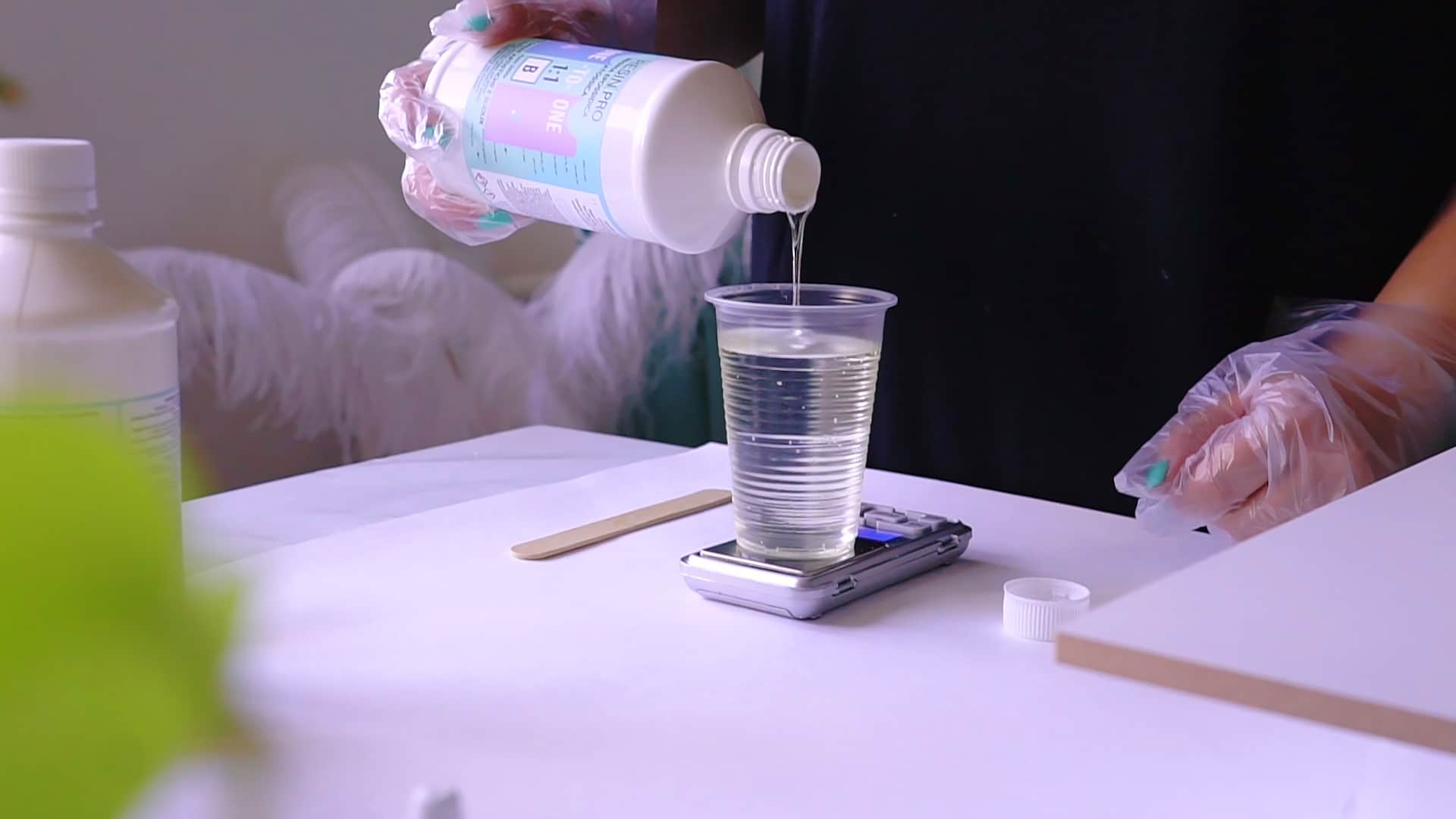
Accurate measurement is essential for a proper chemical reaction. Read the instructions for your chosen resin; for example, “One-2-One” – Epoxy Resin for Handcraft, 1:1 Mixing Ratio uses equal parts by volume. Pour the resin and hardener into a clean mixing cup, ensuring your ratios are precise.
Mix slowly but thoroughly, scraping the sides and bottom of the cup as you go. This helps avoid streaks and unmixed patches, which can result in sticky or soft spots in your finished piece. Stir for the recommended time (typically 3–5 minutes), using a flat mixing stick. Fast stirring can introduce unwanted air bubbles, so take your time.
If using resins like “Trasparente” – Multipurpose Clear Epoxy Resin for Casting – Up to 2cm, check whether your project suits its layer thickness guidance. Using larger mixing containers for bigger projects can help keep ratios consistent, but always respect maximum recommended pour depths to prevent overheating.
Step 3: Pour and Spread the Resin Evenly
Once mixed, use the resin promptly to ensure the best flow. Slowly pour it onto your prepared mould, surface, or inset. Work in thin layers where possible, especially for detailed items or when using standard casting resins; this minimises the risk of trapping air and overheating.
Use a spatula or stick to coax the resin into corners and edges. For flat surfaces or artwork, tilt the substrate gently to spread the liquid evenly. Always check your piece from different angles to spot any missed areas or uneven thickness.
Avoid working over gaps or through draughts, which can introduce dust or disturb the resin’s flow. Plan your workspace before pouring, as tilting or moving the piece during curing can ruin the effect and level.
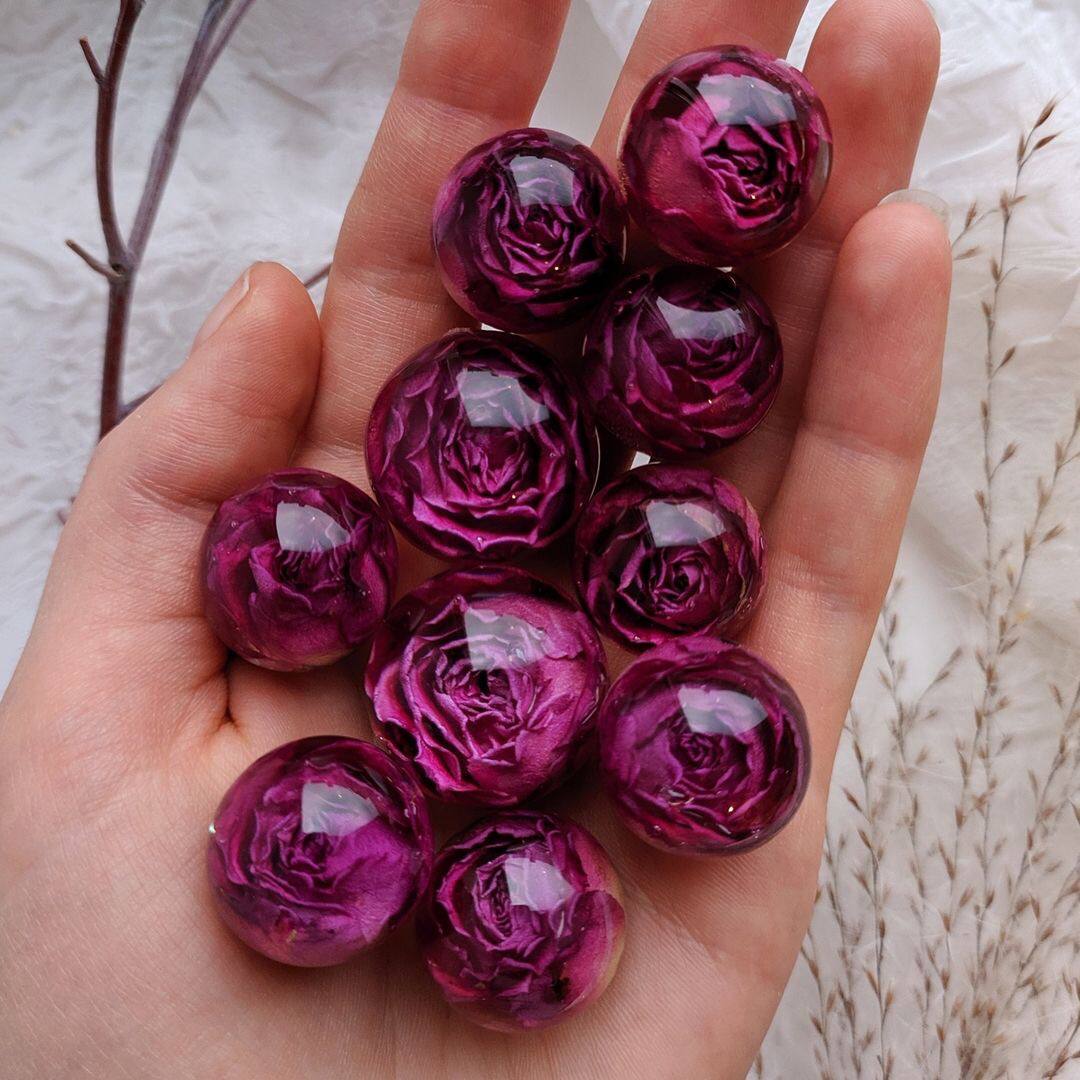
Step 4: Remove Bubbles and Wait for Curing
Trapped bubbles are a common challenge in resin work. Lightly blowing across the surface can coax bubbles to rise and pop. For even cleaner results, use Pure Isopropyl Alcohol 99.9%: a gentle mist or drop over the resin will break surface tension and help eliminate microbubbles. Avoid using a heat gun or torch unless you have experience, as excess heat can scorch or cloud the resin.
Once bubbles are cleared, cover your project with a dust shield and let it cure undisturbed. Follow product-specific curing times, which typically range from several hours up to a full day for complete hardening. Do not handle or demould until fully cured, as premature movement can cause fingerprints or warp the finish.
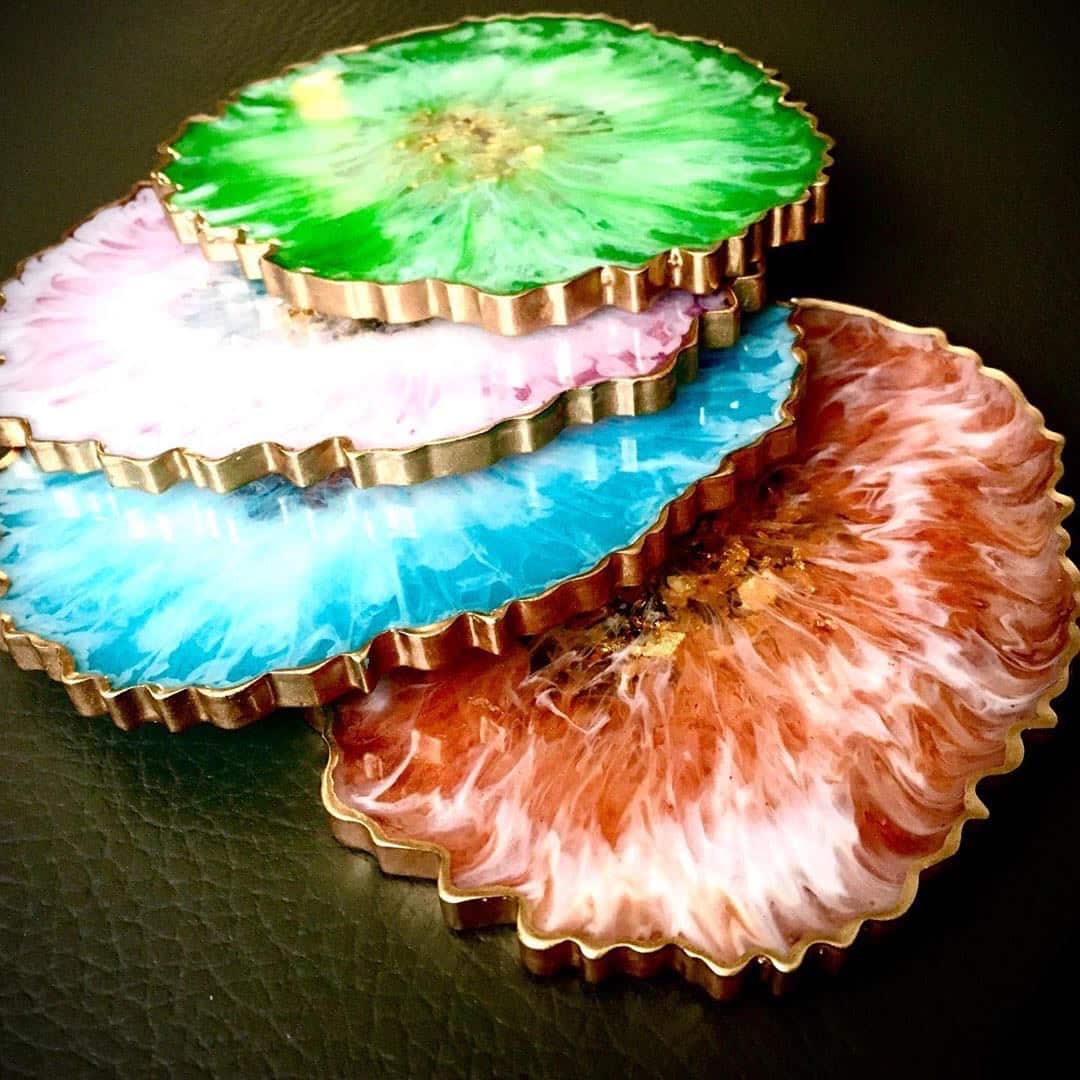
Step 5: Demould, Sand, and Finish Your Piece
After the full cure time has elapsed, gently remove your resin project from its mould or working surface. Most modern epoxies, including those listed above, demould easily if the surface was prepared properly. Avoid using sharp implements that can damage your finished piece.
Inspect for any rough edges or drips. Once cured and if necessary, lightly sand away imperfections with fine-grit sandpaper. Wash away dust with a soft cloth or, for a professional touch, use a small amount of isopropyl alcohol to clean the piece before displaying or selling.
If you wish to add further layers or a glossy topcoat, repeat the mixing and pouring process as required, ensuring each coat is fully set before proceeding with the next.
Tips, Common Mistakes, and Troubleshooting
Maintain a dust-free area during curing to avoid blemishes. Always check your mixing ratios and follow the manufacturer’s guide. If you notice sticky areas, they are typically from under-mixing or incorrect proportions—sadly these cannot usually be fixed except by scraping away and re-pouring. Prevent yellowing by storing unused resin away from sunlight and using products with UV filters for best durability.
Work within recommended temperature and humidity ranges—too cold and the resin may remain cloudy; too hot and it could overheat or set too quickly. If bubbles persist, try warming your workspace slightly or using pure isopropyl alcohol after pouring to help them dissipate.
Treat resin as a chemical—keep it safely stored, and always clean your hands, tools, and surfaces promptly after use.
Perfecting Your Finish: Next-Level Resin Results
Enhance your resin projects by focusing on detail: use pure isopropyl alcohol for stubborn bubbles and opt for high-clarity casting resins for glass-like shine. Let each layer cure fully for long-lasting, professional results.
- "One-2-One" – Epoxy Resin for Handcraft, 1:1 Mixing RatioPrice range: £14.85 through £56.85"One-2-One" epoxy resin offers medium viscosity and an easy 1:1 mixing ratio, suited for beginners and experienced crafters in handcraft projects.
- Pure Isopropyl Alcohol 99.9% – 1000ml Bottle for Epoxy Resin Projects & DIYPrice range: £9.85 through £19.85Pure Isopropyl Alcohol 99.9% supports epoxy resin projects by removing bubbles and enabling creative effects with a clean, residue-free finish.
 Nitrile Gloves – 50 Pairs (100 Pieces)£8.85Nitrile Gloves – 50 Pairs (100 Pieces) provide chemical resistant, latex-free protection suitable for working with epoxy resin.
 "Trasparente" – Multipurpose Clear Epoxy Resin for Casting – Up to 2cmPrice range: £8.45 through £948.85"Trasparente" is a clear epoxy resin suitable for uses like detailed casting and table creation, offering a glossy, self-levelling finish up to 2 cm…
Frequently Asked Questions
What is the best way to mix liquid resin correctly?
Use precise measurements, stir slowly but thoroughly while scraping the sides and bottom and mix for at least 3–5 minutes following the manufacturer's guide.
How do I avoid bubbles in my resin projects?
Mix gently, pour slowly, and use isopropyl alcohol or a light breath over the surface to break bubbles before curing.
Which PPE should I use when working with resin?
Nitrile gloves and safety glasses protect your hands and eyes from resin and hardener exposure. Wear an apron for added safety.
What should I do if my resin stays sticky or soft?
Sticky resin is usually due to incorrect mixing ratios or under-mixing. Remove the soft areas and re-pour with the correct mix.
Can you layer resin over an already cured pour?
Yes, you can pour new resin over cured layers. Lightly sand and clean the surface between layers for best adhesion.
How do I clean tools after using resin?
Wipe tools with paper towels before the resin sets, then wash with warm soapy water. Use isopropyl alcohol for stubborn residue.