 Free shipping on orders over £29,85
  Shipping Tracking!


 Google
 Facebook
← Back to How do you make a DIY resin pour?
Sealing your formwork or mould is a simple but important step in preparing for a resin pour. Without a proper seal, leaks and unwanted adhesion can occur, creating unnecessary headaches in your DIY project.
Why Sealing is Necessary
Epoxy resin is a low-viscosity liquid when mixed, and it can seep through even the smallest gaps in a mould or formwork. If you skip sealing, resin leaks can occur at joints and corners, leading to loss of material and a messy workspace. Sealing also ensures your project detaches more easily once cured, reducing the risk of damaging your cast piece.
How to Seal Moulds and Formwork
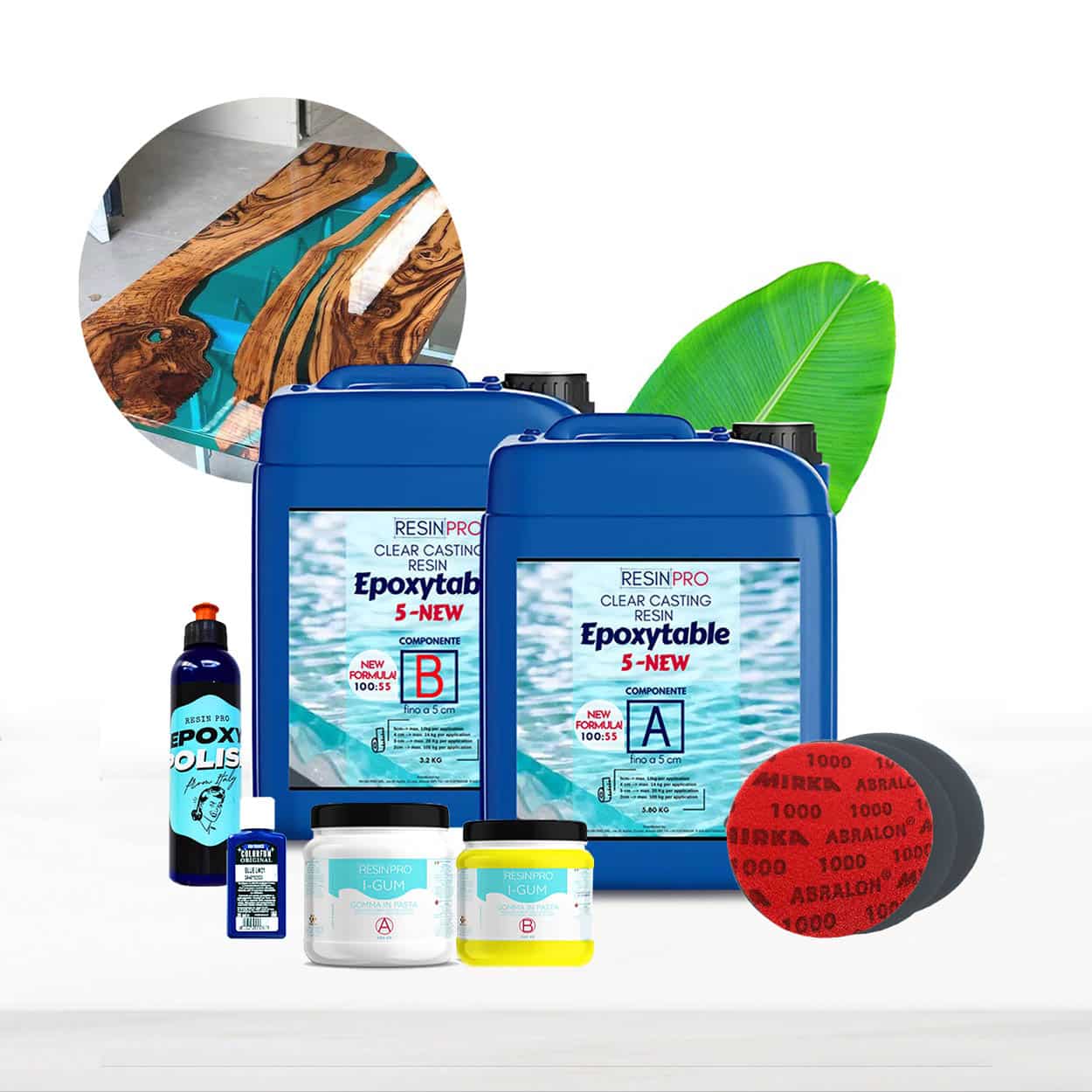
To achieve a proper seal, focus on all seams, joints, and the inner surfaces where resin might escape or stick. Many DIYers use strong adhesive tape or a specialist release film to line the form. Applying a silicone sealant or release agent can further block potential leaks and make demoulding smoother. For a beginner-friendly approach, the “River-Table” Complete Kit offers both silicone sealant and release film, along with detailed instructions tailored to first-time users.
When This Matters Most
Sealing is especially crucial for large projects like river tables or when using deep pour resins, where the weight and volume of resin increase the risk of leaks. It’s also important if your mould materials are porous or you plan to reuse the formwork for multiple castings.
Related products
Related guides
Taking the time to properly seal your form or mould sets the stage for a cleaner, more successful resin pour. For step-by-step guidance and all-in-one solutions, explore our main guide on DIY resin pouring.