 Free shipping on orders over £29,85
  Shipping Tracking!


 Google
 Facebook
How do you make a DIY resin pour?
Step-by-step instructions for flawless resin projects at home
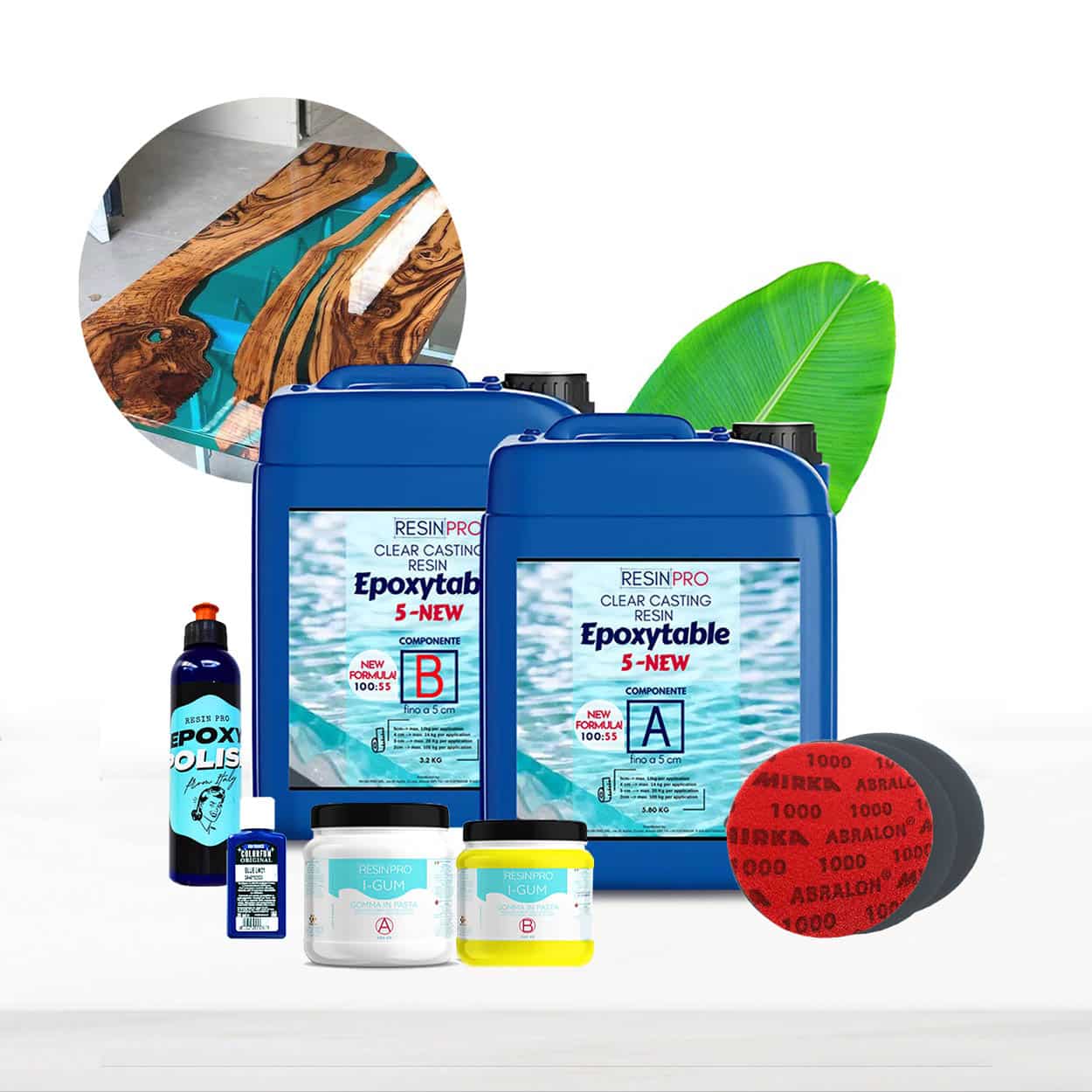
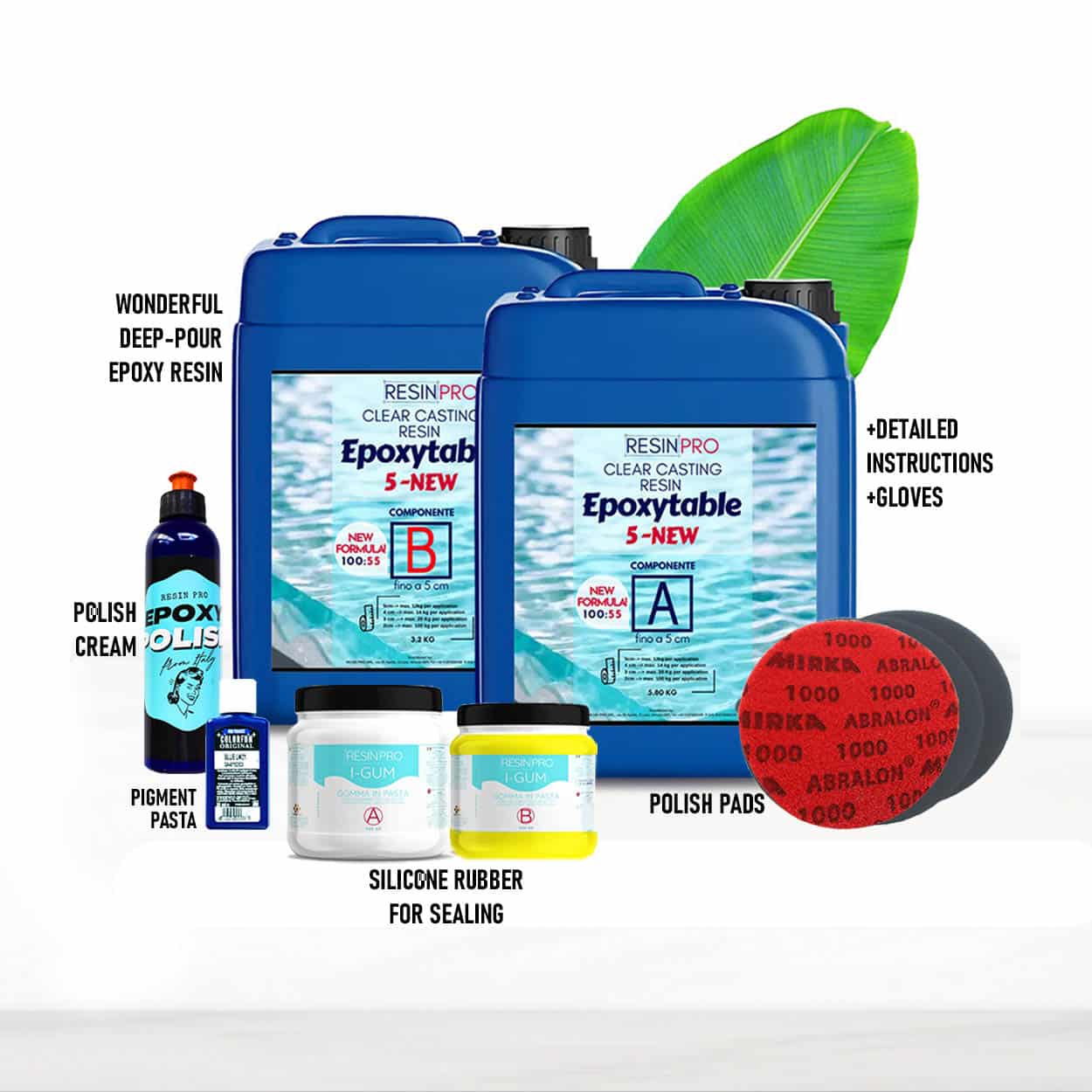
A resin pour gives you the creative freedom to produce stunning, glass-like surfaces for tabletops, river tables, art pieces, and more. Whether you are a beginner or refining your technique, this guide will show you, in detail, how to carry out a professional-quality DIY resin pour, avoid common pitfalls, and get a durable, flawless finish at home.
What You’ll Need
- “Trasparente” – Multipurpose Clear Epoxy Resin for Casting – Up to 2cm – Ideal for castings, artwork, and table projects up to 2cm thick
- “EpoxyTable 5-Five” – Deep Pour Epoxy Resin for Tables and Large Projects – Up to 5cm – For deeper pours and river tables up to 5cm
- “Epoxytable 10-Ten” – Deep Pour Epoxy Resin for Tables, Up to 10cm Casting – Suited for very deep pours and thick castings up to 10cm
- “River-Table” – Complete Kit for Creating Your First Epoxy Resin Table – Comprehensive kit with epoxy, hardener, pigments, sealants, and instructions for beginners
- Mixing containers and sticks, gloves, and a dust mask
- Formwork (mould or frame) for your resin project
- Release agent or tape to prevent sticking
- Protective sheeting and masking tape
- Sandpaper and polishing pads (for finishing)

Essential Tools in Action for Resin Pouring
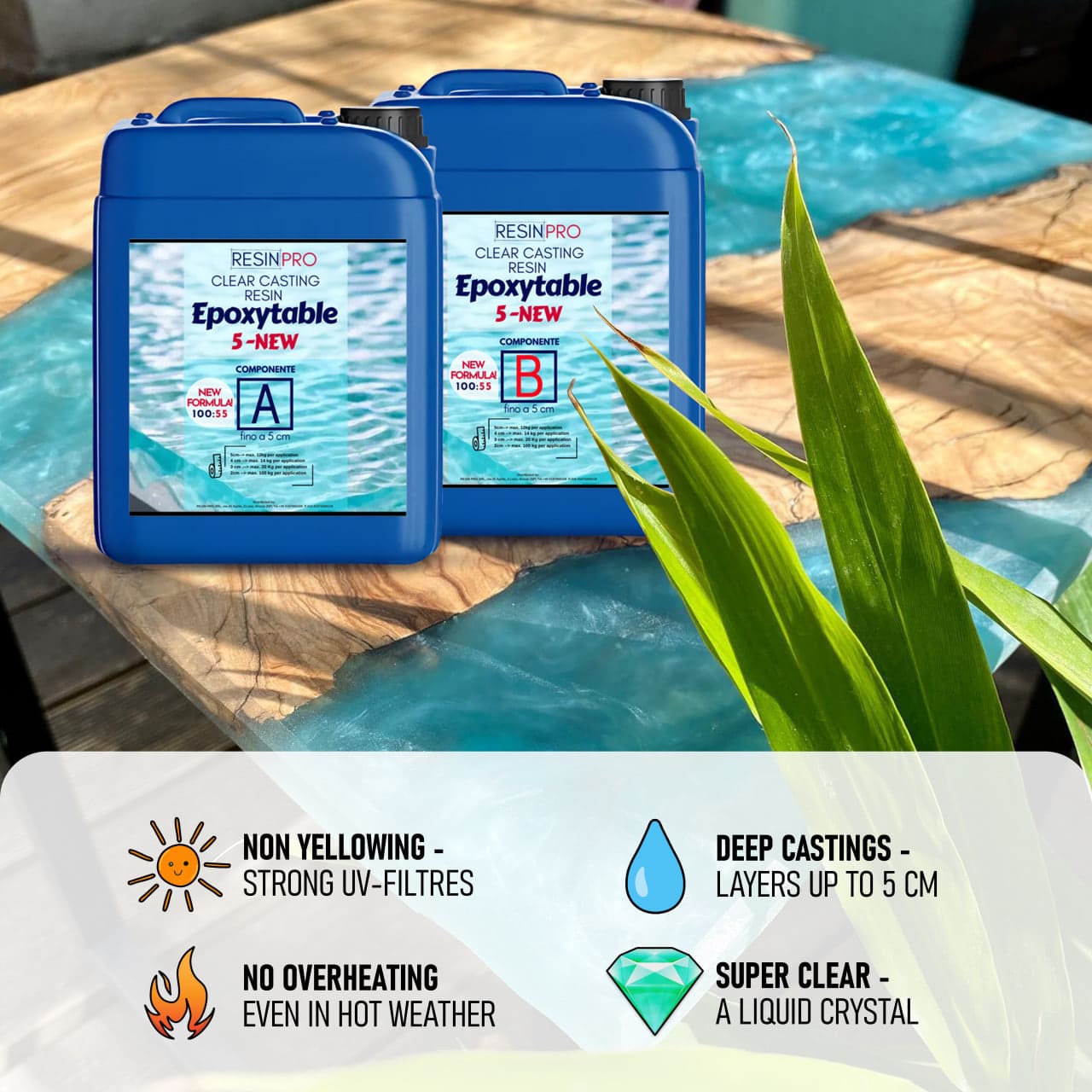
See real examples of measuring, mixing, and pouring resin with carefully selected tools and resins. These essentials help guarantee an even, bubble-free finish for your DIY resin pours. For those starting out, “River-Table” – Complete Kit for Creating Your First Epoxy Resin Table includes most materials you’ll need.
Step 1: Prepare Your Work Area and Formwork
The key to a clean, successful resin pour is thorough preparation. Choose a well-ventilated, dust-free area with a stable temperature between 18°C and 25°C. Lay down protective sheeting to safeguard your workspace. Construct or place your formwork – whether a wood frame or silicone mould – making sure it is robust and level. Use masking tape and a release agent, such as specialised tape, on all interior edges to prevent the resin from sticking and to allow easier demoulding.
Ensure there are no gaps in your formwork. Any leaks can result in wasted resin and distorted projects. Pay particular attention to corners and seams, reinforcing with additional tape or sealant as needed.
Step 2: Measure and Mix Your Resin
Accurate measurement of resin and hardener is vital. Always follow the manufacturer’s specified ratio and use clean, dry mixing containers. Measure by weight rather than volume for precision. Pour the resin and hardener into the container and begin mixing slowly. Stir for at least 3–5 minutes, scraping the sides and bottom to ensure everything combines fully. This reduces the likelihood of sticky spots or insufficient curing.
If you are using “Trasparente” – Multipurpose Clear Epoxy Resin for Casting – Up to 2cm for thinner pours, maintain a single pouring layer below 2cm. For deeper projects, opt for “EpoxyTable 5-Five” – Deep Pour Epoxy Resin for Tables and Large Projects – Up to 5cm or “Epoxytable 10-Ten” – Deep Pour Epoxy Resin for Tables, Up to 10cm Casting, observing the maximum recommended thickness per layer.
Step 3: Pour and Spread the Resin
Pour the mixed resin carefully into the centre of your formwork to allow it to flow outward naturally. For artistic effects or colour swirls, this is the time to add pigments, glitters, or embed objects, mixing gently to avoid excess bubbles. Use a spreader or a gloved hand to help the resin reach all corners. Avoid overworking, as this may introduce air bubbles or disrupt embedded materials.
Work steadily and do not rush. For deep pours, consider pouring in successive layers, allowing proper curing time between each. This maintains clarity and structural integrity.

Step 4: Remove Bubbles and Allow to Cure
After pouring, inspect for air bubbles rising to the surface. Use a heat gun or small torch, held above the surface and moved quickly, to eliminate bubbles. Take care not to overheat or scorch the resin. Leave the pour undisturbed in a covered, dust-free area to cure according to product instructions—usually from 24 to 72 hours for full set.
For beginners, a kit like “River-Table” – Complete Kit for Creating Your First Epoxy Resin Table is helpful, as it includes detailed curing guidelines and protective gear.

Step 5: Demould and Finish the Surface
Once the resin is fully cured and hard to the touch, carefully remove it from the formwork. Flexible moulds make demoulding easy, while wood forms may require gentle prying after removing fasteners and any tape. Sand the edges or surface starting with coarse grit, progressing to finer grits for smoothness. Wipe away dust and apply a polishing compound with soft pads for a high-gloss finish.
Take your time with sanding and polishing; rushing can mar the surface or introduce scratches. Always use appropriate respiratory protection when sanding cured resin.
Tips for a Successful Resin Pour
- Always measure resin and hardener accurately to avoid curing issues.
- Seal your formwork completely to avoid leaks and wasted resin.
- Mix slowly and thoroughly to reduce air bubbles and achieve a flawless surface.
- Work in a dust-free, temperature-controlled space for the best results.
Begin with smaller projects if you’re new, consider practising in off-cuts or sample moulds, and never exceed the recommended pour thickness to prevent overheating or discolouration.
Close-Up Finishing and Curing Results
Observe the clarity and gloss that can be achieved through careful sanding, polishing, and proper curing—essential steps to make your resin pour stand out. Whether you use “Trasparente” for smaller pieces or a deep-pour option for river tables, this stage showcases the true beauty of resin craft.

- "River-Table" – Complete Kit for Creating Your First Epoxy Resin TablePrice range: £188.85 through £444.85"River-Table" kit includes resin, pigments, sealant, polish, and detailed instructions designed for creating a resin wood table DIY project.
- “Epoxytable 10-Ten” – Deep Pour Epoxy Resin for Tables, Up to 10cm CastingPrice range: £33.85 through £334.85“Epoxytable 10-Ten” is designed for deep pouring up to 10cm, suitable for tables and artistic creations requiring super-deep castings.
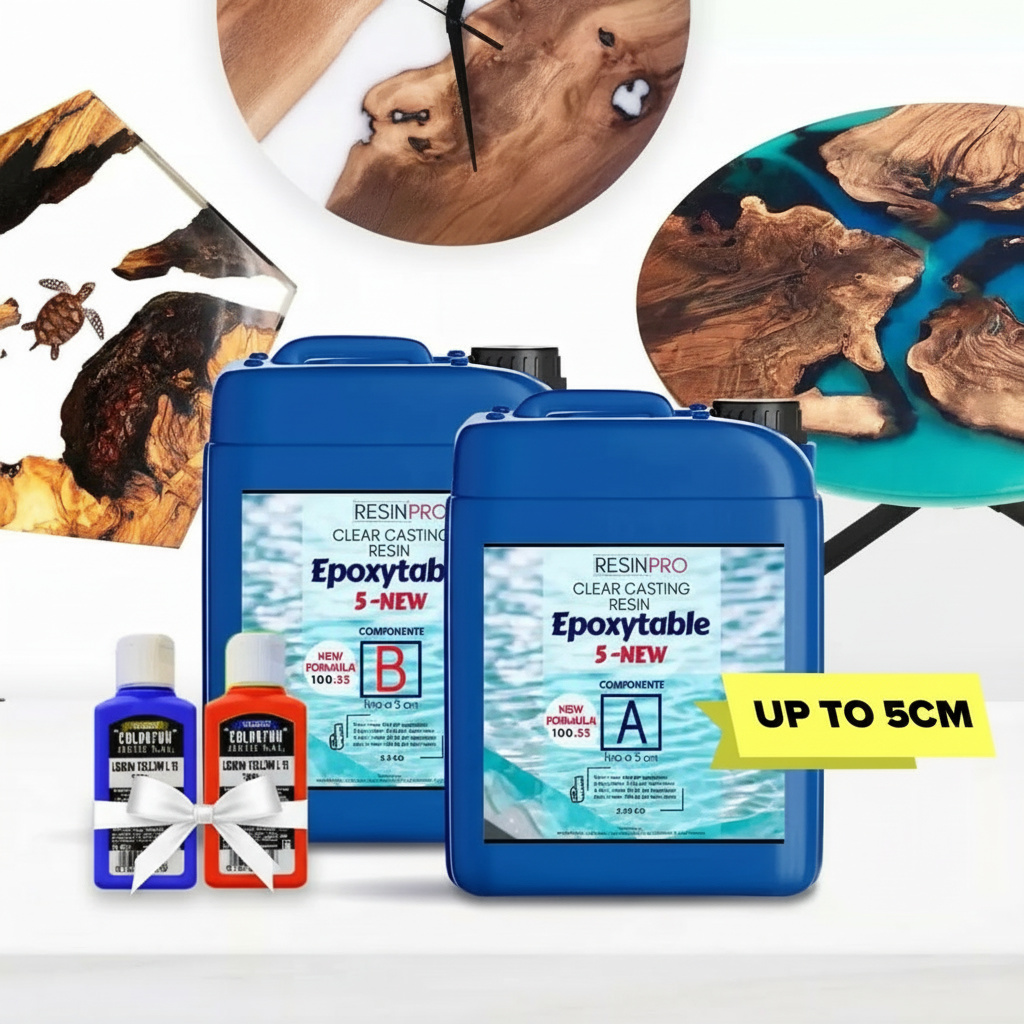 "EpoxyTable 5-Five" – Deep Pour Epoxy Resin for Tables and Large Projects – Up to 5cmPrice range: £16.85 through £1,099.85EpoxyTable 5-Five is designed for deep pouring projects like tables, offering good transparency and a durable finish.
 "Trasparente" – Multipurpose Clear Epoxy Resin for Casting – Up to 2cmPrice range: £8.45 through £948.85"Trasparente" is a multipurpose clear epoxy resin suited for casting detailed items and tabletops up to 2cm thick.
Frequently Asked Questions
How do I choose the best resin for different thicknesses in a DIY pour?
Use 'Trasparente' for up to 2cm, 'EpoxyTable 5-Five' for 2–5cm, and 'Epoxytable 10-Ten' for pours up to 10cm. Choose based on your project’s depth.
How can I prevent or remove bubbles from my resin pour?
Mix resin slowly, pour carefully, and use a heat gun after pouring to remove surface bubbles. Avoid over-mixing or shaking containers.
How long does epoxy resin take to cure for a DIY pour?
Most resins fully cure between 24 and 72 hours. Always refer to the specific product’s instructions for ideal curing times and environmental needs.
Is it necessary to seal the formwork before pouring resin?
Yes, sealing all joints and surfaces with tape or release agent prevents leaks and ensures easy demoulding for your resin project.
What steps should I take if my resin pour doesn't set properly?
Double-check your mixing ratio and ensure thorough blending. An uneven or sticky surface is usually due to inaccurate measurement or insufficient mixing.
How do I sand and polish my resin pour for a glossy finish?
Start with coarse sandpaper, move to finer grits, and polish using a suitable compound and pad to achieve a clear, high-gloss result.