 Free shipping on orders over £29,85
  Shipping Tracking!


 Google
 Facebook
← Back to How to make a resin ointment
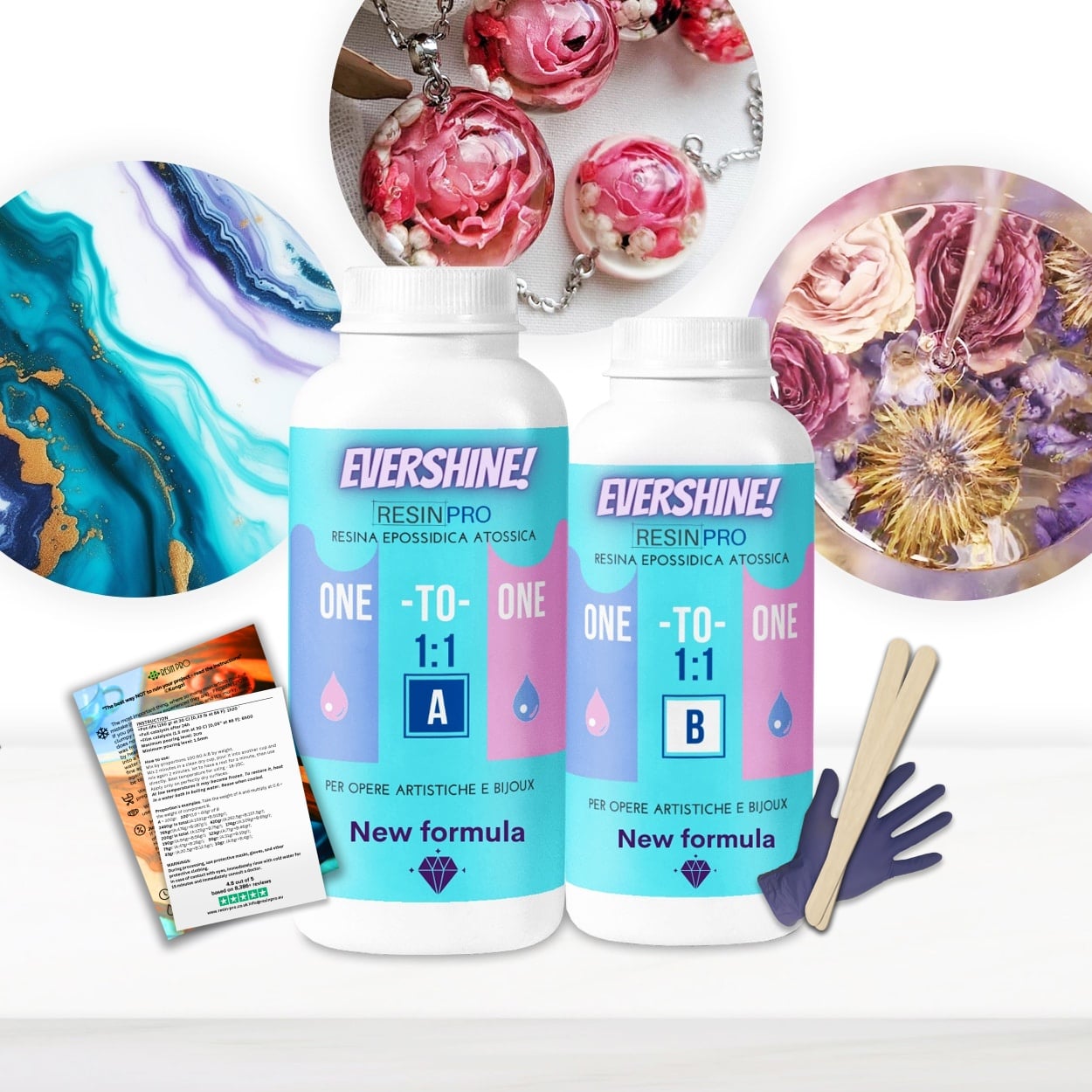
Working with resin ointments raises important questions about skin safety and handling during the crafting process. Here’s what you need to know if you’re making or using resin-based products.
Resin Contact: Uncured vs. Cured
Uncured resin—no matter the type—should never touch your skin. It may cause irritation, sensitivity, or allergic reactions even if labelled as ‘non-toxic’ for crafting. Always use gloves and suitable safety gear when handling liquid or partly-cured resin mixtures.
Once fully cured, most craft resins such as One-2-One Epoxy Resin become inert, which means they no longer actively react with skin. However, craft resins are not manufactured or certified as skincare or cosmetic products, so they are not intended for topical use or as direct contact ointments.
Best Practices When Crafting Resin Ointments
- Wear disposable gloves, eye protection, and work in a well-ventilated space.
- Never apply uncured resin directly to your skin—wipe away spills immediately and wash the area with soap and water.
- Allow resin to cure fully before handling your finished item. ‘Fully cured’ typically means at least 24–48 hours, depending on the resin used.
- For any project resembling a topical ointment, consider safer alternatives if you require a product for skin application.
When This Matters: Crafting vs. Cosmetic Use
While craft resins like epoxy are ideal for creating jewellery, decorative objects, or even ointment containers, they should not be substituted for ingredients used in cosmetic or medical preparations. Only substances tested and approved for skin use are suitable as ointments.
Related products
Related guides
In summary, while cured resin from crafting products can be safely handled, it’s not intended for skincare use. For more details about working with resin in creative formulations, see our full guide on how to make a resin ointment.