 Free shipping on orders over £29,85
  Shipping Tracking!


 Google
 Facebook
← Back to How to make a resin mould that doesn’t exist?
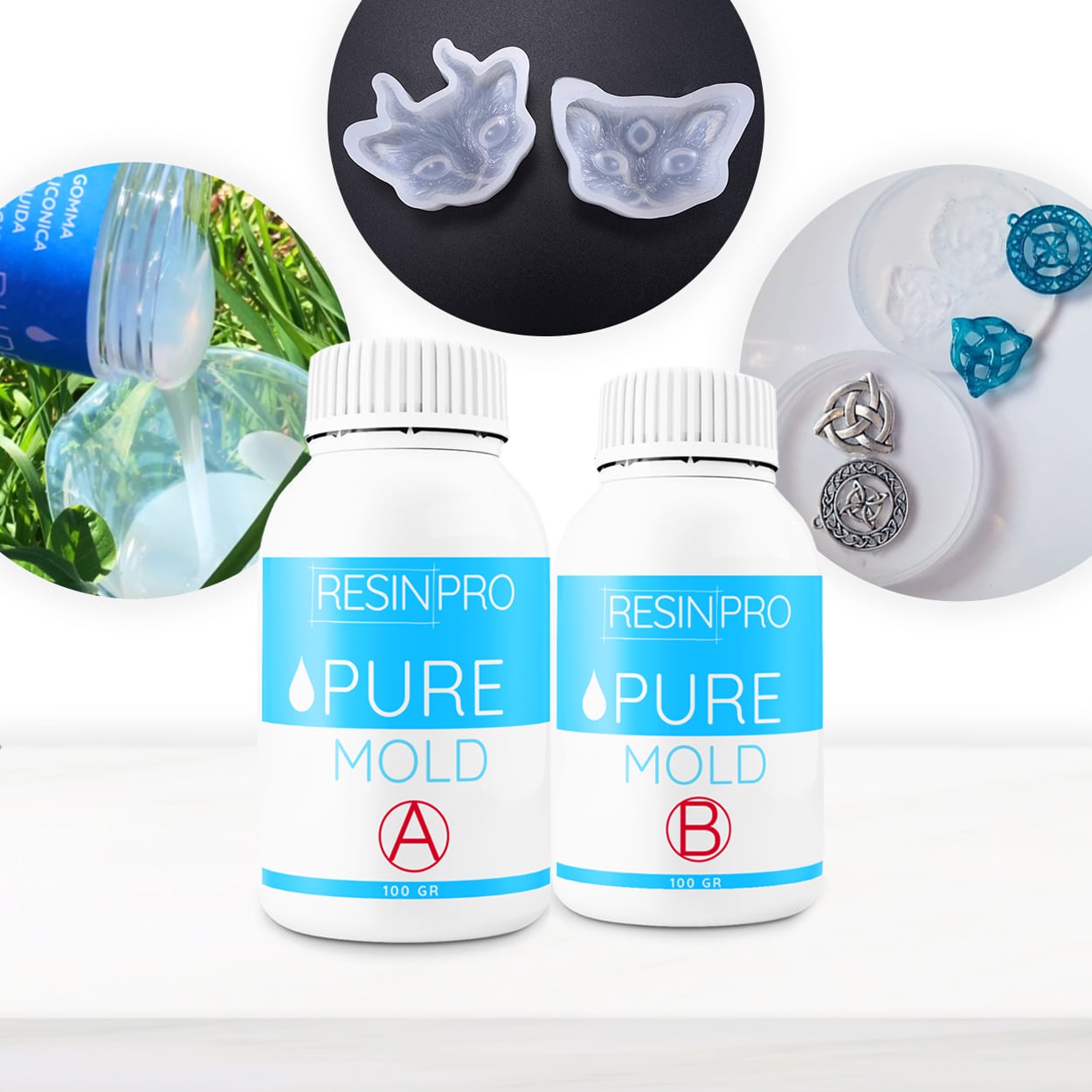
After successfully casting a resin piece, ensuring your mould remains in the best condition is crucial for ongoing quality results. Carefully trimming and gentle cleaning will prolong mould life and the quality of your next creations.
Why Trimming Matters
During casting, excess resin can sometimes seep along the mould edges or fine details. Once cured, carefully trimming this excess with a small craft knife or fine scissors helps prevent jagged edges and maintains the shape for future uses. Always take your time—rushing may damage delicate areas, especially with highly detailed silicone moulds.
How to Clean Resin Moulds Without Damage
To keep your mould clean, remove leftover resin particles gently using a soft cloth or a mild soap solution if needed. Avoid harsh chemicals, as these can degrade the silicone and shorten its usable life. For sticky residue, a gentle rub with your fingers under warm water is usually sufficient. Ensure the mould is thoroughly dry before storing or reusing.
When This Matters Most
If you’re working with detailed moulds, such as those made from Pure Mould silicone rubber, regular careful trimming and cleaning help maintain crisp lines and ensure every new casting is as sharp and accurate as the first.
Related products
Related guides
Mastering the art of trimming and cleaning your resin moulds gently supports a smooth creative process. For more practical guidance on crafting unique moulds, explore the full advice hub on how to make a resin mould that doesn’t exist.