 Free shipping on orders over £29,85
  Shipping Tracking!


 Google
 Facebook
How do you waterproof a floor covered with resin?
Step-by-step guide for effective resin floor waterproofing


Ensuring waterproof protection for a resin-covered floor is essential for durability and preventing damage from moisture. Whether for homes, workshops, or commercial spaces, mastering the right technique helps avoid peeling, staining, or water ingress. This comprehensive guide explains how to assess your floor, prepare the surface, and apply further waterproof coatings for long-lasting results.
What You’ll Need
- “Epoxyprimer” – Universal Water-Based Two-Component Epoxy Floor Primer: Designed for use as a reliable primer layer to prepare floors for epoxy resin coatings.
- “Art Pro” – Clear Epoxy Resin for Artists and Surface Coating: Clear epoxy resin designed for artists and crafters seeking high-gloss, scratch-resistant coatings with UV protection.
- “Trasparente” – Multipurpose Clear Epoxy Resin for Casting – Up to 2cm: A certified non-toxic clear epoxy resin designed for layers up to 2 cm with UV protection and high scratch resistance.
- Cleaning supplies: pH-neutral detergent, lint-free cloths
- Sanding tools: 120–240 grit sandpaper or rotary sander
- Protective equipment: gloves, goggles, mask
- Rollers or brushes for primer and resin application

Preparing and Priming for Reliable Adhesion
Superior adhesion and thorough surface preparation form the foundation of waterproof resin flooring. Clean, dry, and prime the substrate to prevent moisture issues and maximise coating performance. Using an eco-friendly, odourless primer ensures safety and adhesion on concrete, timber, or old resin surfaces.
Step 1: Assess and Prepare the Resin Floor
Examine the floor thoroughly for signs of damage, such as cracks, chips, or bubbling. Any defects must be fixed before further waterproofing. Sweep and vacuum to remove debris, followed by a wash with a pH-neutral detergent. Allow the surface to dry completely before proceeding—applying resin to a damp floor can trap moisture and compromise waterproofing.
Lightly sand the resin floor with 120–240 grit sandpaper or a rotary sander. This step creates a mechanical key, ensuring the new coating will bond effectively. Remove all dust with a lint-free cloth. Always use gloves and a dust mask during sanding to protect yourself from fine particles.
Step 2: Apply a Penetrating Epoxy Primer
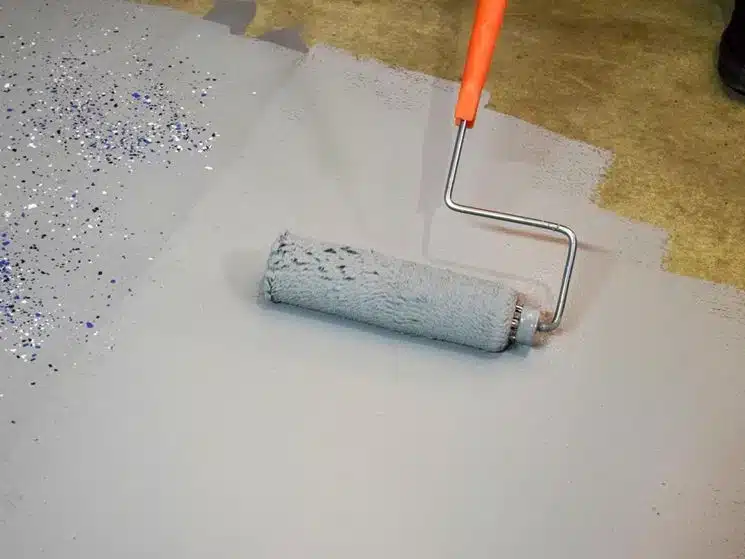
The next step is to introduce a primer that bridges the original resin surface and the subsequent waterproof coating. A high-quality water-based epoxy primer ensures reliable adhesion between layers and reduces the risk of delamination caused by moisture.
Apply “Epoxyprimer” – Universal Water-Based Two-Component Epoxy Floor Primer with a roller, brush, or spatula for a consistent result. Follow the manufacturer’s mixing and spreading instructions diligently. Allow the primer to cure for 24–48 hours at room temperature to create a stable, fully prepared base for your waterproof epoxy resin.
Step 3: Pour and Distribute the Waterproof Resin Layer
After primer curing, you’re ready to apply the main waterproofing layer. Choose the most appropriate epoxy resin based on the finish and traffic needs. For general floors needing a scratch-resistant, durable, and visually clear surface, a multipurpose pourable epoxy works well; higher-gloss or fine-art finishes may call for specialist resins.
Mix and apply your chosen resin according to the product’s specifications. For example, “Art Pro” – Clear Epoxy Resin for Artists and Surface Coating is ideal for high-gloss, scratch-resistant surfaces, while “Trasparente” – Multipurpose Clear Epoxy Resin for Casting – Up to 2cm provides clarity and high durability up to 2 cm thick. Pour slowly over the prepared floor, spreading evenly with a squeegee or roller. Avoid overworking the resin, as this may introduce bubbles or streaks.

Step 4: Cure and Protect the Floor
Allow the resin layer to cure undisturbed for the full manufacturer-recommended time, typically 24–48 hours depending on thickness and temperature. Avoid foot traffic, heavy objects, or contact with water during this period. Once cured, your floor achieves both waterproof and scratch-resistant qualities, with a seamless finish that stands up to routine cleaning and everyday use.

Tips and Troubleshooting for Effective Waterproofing
Work in controlled environments whenever possible. Humidity, cold, or dust can affect resin curing and the finished result. Always read and follow product-specific instructions for optimal mixing ratios and curing times. If bubbles appear during application, use a heat gun briefly to remove them before the resin sets. For ongoing durability, periodically clean with a gentle, pH-neutral cleaner to protect the waterproof layer.
Achieving a Professional Waterproof Finish
Selecting the right resin and applying it evenly with exceptional clarity gives your floor a lasting, water-resistant gloss. Avoid shortcuts with preparation or curing—these steps are critical for long-term durability and a seamless surface.

- "Epoxyprimer" – Universal Water-Based Two-Component Epoxy Floor PrimerPrice range: £148.84 through £272.45Epoxyprimer is a water-based epoxy floor primer designed to support durable adhesion on various stable surfaces.
- "Art Pro" – Clear Epoxy Resin for Artists and Surface CoatingPrice range: £31.15 through £388.85Art Pro clear epoxy resin is for artists and DIY enthusiasts seeking a durable, clear finish on decorative surfaces in resin projects.
 "Trasparente" – Multipurpose Clear Epoxy Resin for Casting – Up to 2cmPrice range: £8.45 through £948.85The clear multipurpose resin is suited for detailed casting and DIY projects with a glossy, self-levelling finish suitable for woodworking and art.
 "EpoxyFood" – Certified Clear Food Contact Epoxy Resin for CoatingOriginal price was: £39.00.£32.85Current price is: £32.85.EpoxyFood is a transparent, food-safe resin suitable for coating plates and cutting boards with a clear, glossy finish.
Frequently Asked Questions
Can you waterproof over an old resin floor?
Yes, as long as the surface is clean, dry, and properly prepared. Applying a suitable primer ensures new resin layers will bond and create a waterproof seal.
Do you need to sand a resin floor before coating?
Light sanding improves adhesion for primers and resin coatings. Always clean dust away thoroughly after sanding.
How long should you wait after priming with epoxy before applying resin?
Epoxy primers usually require 24–48 hours at room temperature before further resin coatings are applied.
Which resin is best for waterproofing resin floors?
Multipurpose or clear epoxy resins, especially with scratch resistance and UV filters, are suitable for waterproofing floors.
How do you remove bubbles from a resin floor?
Gently pass a heat gun or torch over the resin surface before it cures to pop surface bubbles for a smooth result.
Is food-safe resin needed for floors?
Food-safe resins are mainly for kitchenware or surfaces in direct contact with food. Standard floor waterproofing usually does not require food safety certification.