 Free shipping on orders over £29,85
  Shipping Tracking!


 Google
 Facebook
← Back to How Does Two-Component Resin Work?
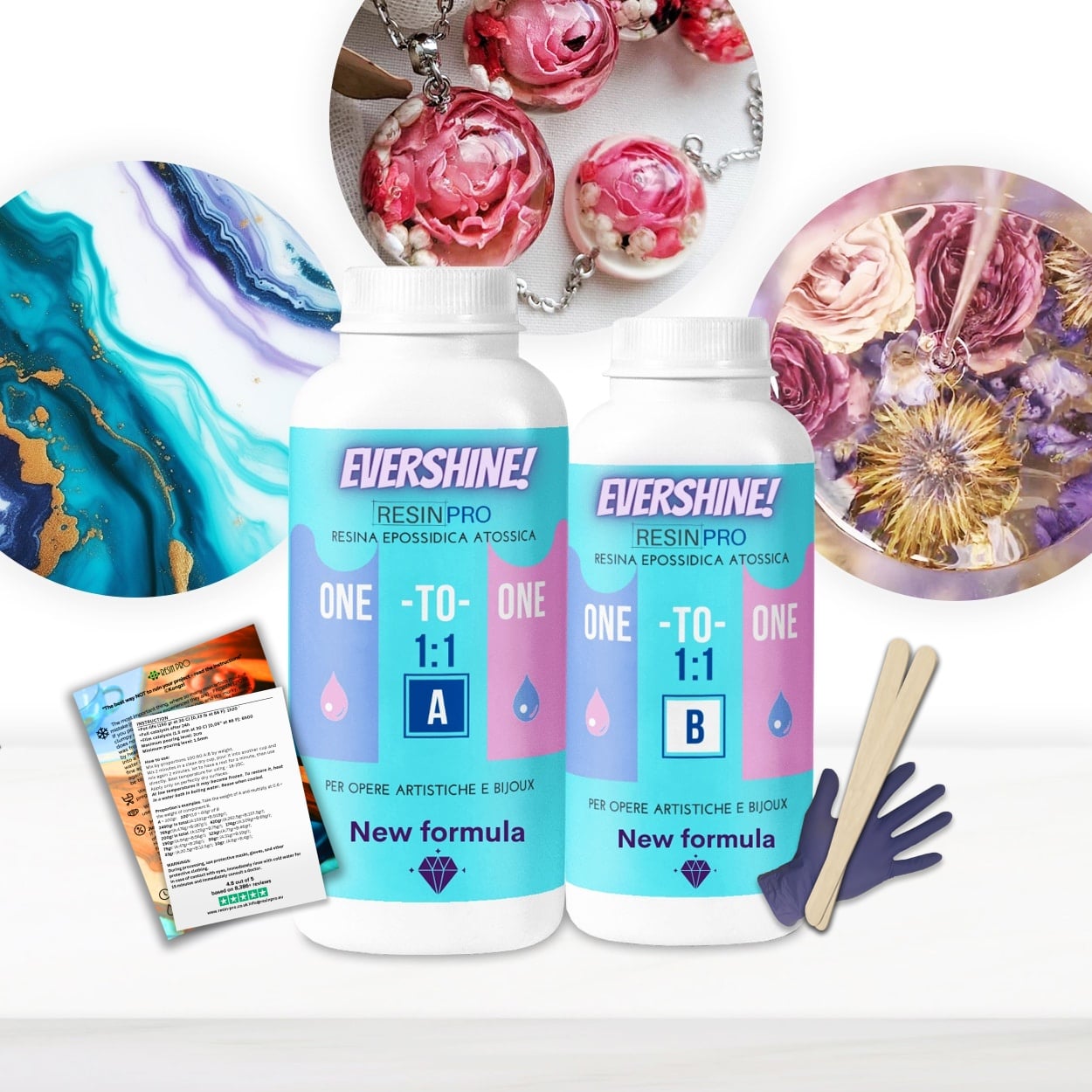
Choosing between epoxy and polyester resin kits can be confusing if you’re new to resin projects. Each kit type has its unique strengths and is suited to different tasks, from handcrafting to robust structural repairs.
Mixing Ratios and Ease of Use
Epoxy resin kits are widely appreciated for their straightforward mixing process. Most, like the One-2-One Epoxy Resin, require equal parts resin and hardener by volume (1:1 ratio), eliminating much of the guesswork for beginners. Polyester resin kits, in contrast, are typically mixed with a much smaller amount of hardener (often around 2–3% relative to the resin), which can be trickier to measure precisely.
Typical Uses and Results
If you’re aiming for crystal-clear, decorative finishes—such as jewellery, coatings, encapsulations, or craft items—epoxy kits deliver excellent clarity, gloss, and resilience. Many crafters prefer epoxy resin for these qualities and the dependable results of the 1:1 mixing process. Polyester resin kits, like the Resin Fibreglass Repair Kit, are more commonly chosen for structural jobs: think boat repairs, pools, automotive fixes, or general fibreglass work. They are valued for their strength, waterproofing, and ability to bond with rigid plastics or metals, though usually with a less glossy, less transparent finish than epoxy.
When This Matters
If accuracy and finish are your top priorities—such as with precision crafts or artwork—epoxy kits make life easier. For heavy-duty, load-bearing, or outdoor repairs where durability is vital, polyester resin with fibreglass reinforcement is often the better bet due to its structural properties.
Related products
Related guides
Understanding whether you need the clarity and ease of epoxy or the structural strength of polyester will help ensure your project is a success. For a deeper look at how two-component resins work, visit our main guide to two-component resins.