 Free shipping on orders over £29,85
  Shipping Tracking!


 Google
 Facebook
← Back to how to drill dry epoxy resin
If you’re drilling into thick or large pieces of dry epoxy resin, it’s vital to consider heat build-up and stress during the process. Planned cooling breaks help protect the resin and your tools, resulting in neater holes and longer tool life.
Why Cooling Breaks Are Important
When working with substantial sections of dry epoxy resin—such as for tables or large craft items—the friction produced while drilling can cause the resin to heat up. Excess heat may lead to softening, unwanted melting spots, or cracks along the drilled hole. By pausing periodically, you allow both the drill bit and the material to cool, minimising the risk of surface damage or splitting.
How to Drill Resin Safely
- Use a slow drill speed: High speeds generate more friction and heat. Opt for a medium or slow speed with steady pressure.
- Drill in small bursts: Rather than pushing straight through, drill a little, withdraw the bit to remove dust, and let things cool for a moment before resuming.
- Consider bit sharpness: Dull bits overheat quickly, so make sure your drill bit is sharp and suitable for plastics.
- Work in a cool environment: Lower ambient temperatures help keep the resin and tools from overheating.
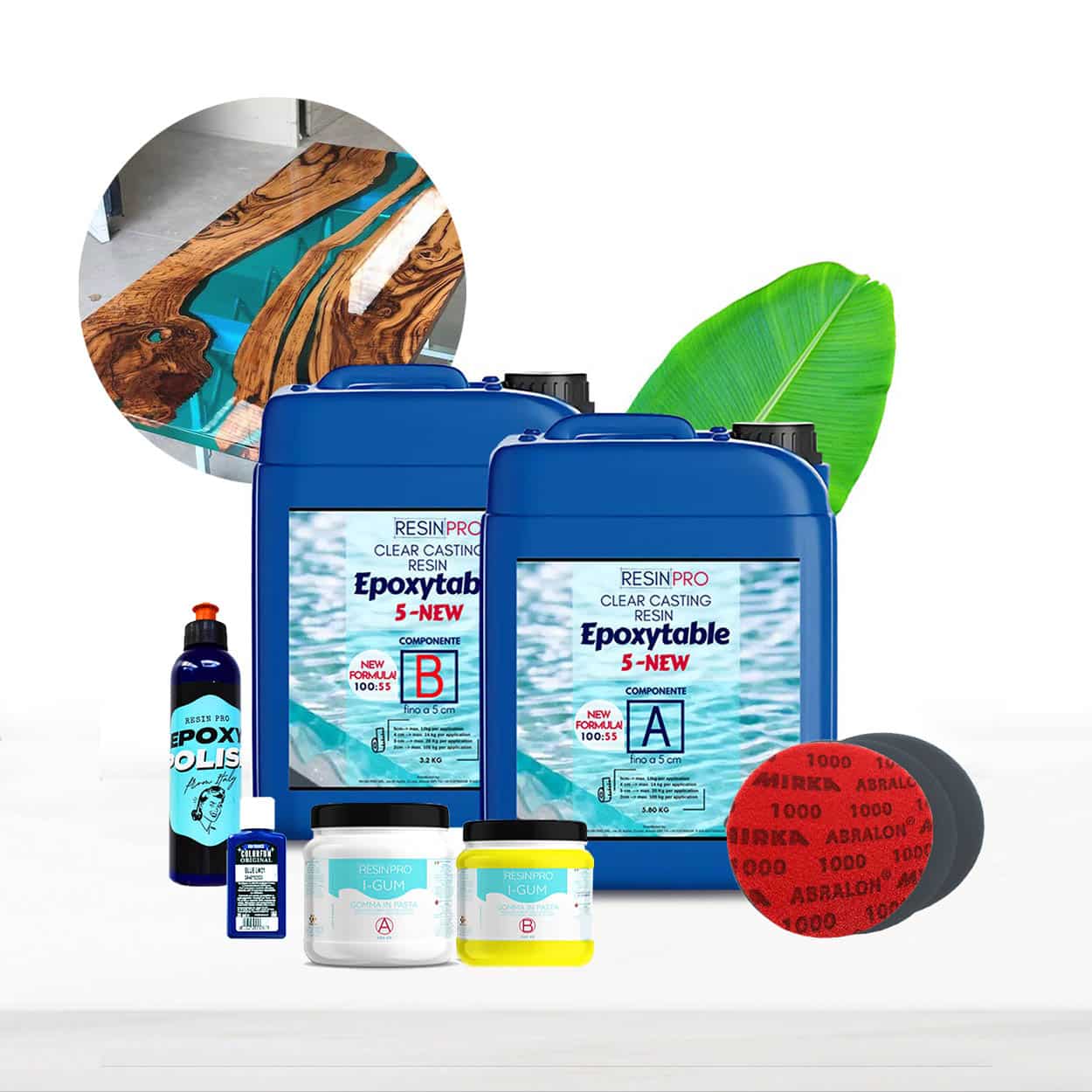
The “River-Table” complete kit offers step-by-step guidance ideal for beginners creating thick resin table projects that may need drilling after curing. You can find out more on the product page.
When Cooling Breaks Matter Most
Cooling breaks become especially important when drilling through deeper resin castings (such as river tables or block art), working with larger drill bits, or creating multiple holes in sequence. Skipping breaks in these scenarios increases the chance of heat-related flaws and tool wear.
Related products
Related guides
Cooling breaks are a simple but crucial part of achieving clean, professional results when drilling thick dry epoxy resin. For more expert advice and resin project tips, visit our main guide on how to drill dry epoxy resin.