 Free shipping on orders over £29,85
  Shipping Tracking!


 Google
 Facebook
how to glue epoxy resin
Gluing with epoxy resin offers strong, reliable bonds ideal for repairing, assembling, or creating items from wood, stone, plastic, metal and more. Whether you are tackling a DIY repair, furniture assembly or restoration project, understanding the right process ensures maximum adhesive strength and lasting durability. This guide walks you through the complete gluing process with epoxy resin, helping avoid common pitfalls for truly professional results.
Step-by-step techniques for professional epoxy resin gluing


What You’ll Need
- “Klebfix” – Two-Component Fast Epoxy Glue 2K, 25g Syringe – For strong, rapid, and precise repairs across plastics, glass, wood, and metal.
- “FixExpress” – Two-Component Epoxy Glue 500g – Useful for larger projects and a wider range of materials, from ceramics to fabrics.
- “Mixer Nozzle” – For Mixing Epoxy Glue, 50ml, Araldite 2000 Series Compatible – Ensures even, thorough mixing for cartridge-style adhesives when required.
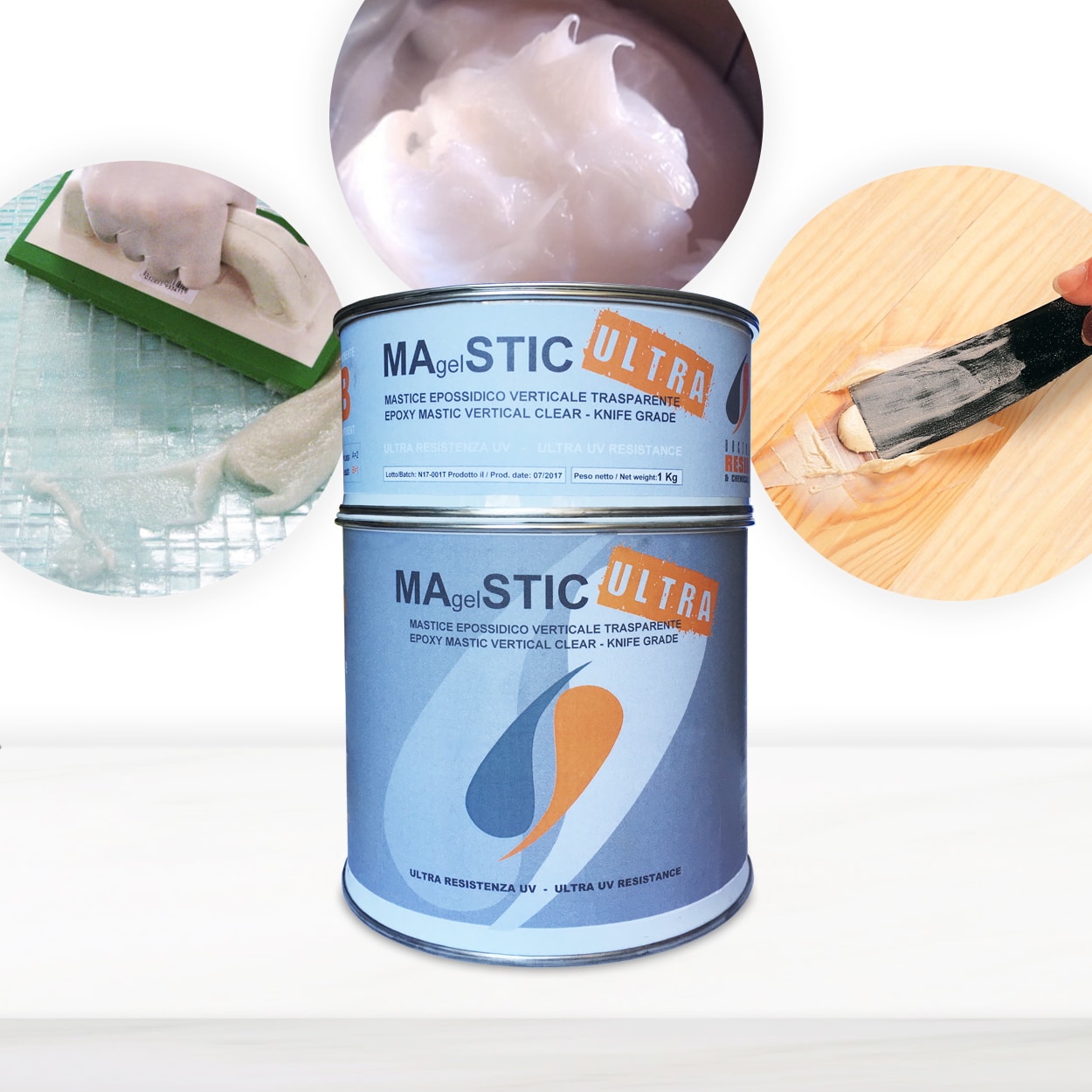
- “Magelstick” – Epoxy Mastic for Stone, Metal, and Cement Bonding and Grouting – Ideal for stone, metal, and cement surfaces, especially for gap-filling or vertical applications.
- Protective gloves and safety glasses
- Disposable mixing tools or spatula
- Clean lint-free cloths or paper towels
- Clamps or weights (if necessary to hold parts together)

Choosing the Right Epoxy Resin Glue
Selecting the correct epoxy resin glue is vital for success. Opt for Klebfix or FixExpress for quick-set repairs, or go for Magelstick when working with stone or cement. The Mixer Nozzle is helpful for accurate and efficient mixing with compatible cartridges.

Step 1: Clean the surfaces thoroughly
Epoxy resin glues achieve their best strength when surfaces are free from contaminants such as dust, grease, oil, or old adhesive. Use a lint-free cloth and, if needed, a mild solvent or appropriate cleaner on both parts to remove residues. Ensure the surfaces are dry before proceeding—moisture can reduce adhesion and lead to future bond failure.
For rougher materials like stone, a gentle abrasion with fine sandpaper can help to increase the surface area and improve mechanical grip. Always remove any sanding debris before bonding.
Clean the surfaces thoroughly to ensure a long-lasting bond.
Step 2: Measure and mix your epoxy resin adhesive carefully
Accurate mixing is crucial as incorrect ratios or inadequate blending will result in weak or tacky bonds. For two-component epoxies, dispense equal parts of resin and hardener according to the product instructions. If using a cartridge-based system, a mixer nozzle can help ensure even mixing.
For putty-style epoxies like Magelstick, cut the required amount and knead it until the colour is uniform, indicating complete mixing. Be swift—most epoxy resins start curing quickly and there is only a small window for application.
Measure and mix your epoxy resin adhesive carefully to achieve optimal bonding strength.
Step 3: Apply the adhesive and join the pieces
Apply the mixed epoxy to one or both surfaces in a thin, even layer. Position the parts together immediately, taking care to align them correctly—adjustments must be made swiftly before the resin begins to set. For heavier or vertical objects, use clamps or tape to keep everything stable as the adhesive sets.
Specialised adhesives, such as Klebfix or FixExpress, cure rapidly, typically providing a 5-minute working time. For gap-filling or uneven surfaces, Magelstick epoxy mastic is especially effective and resists sagging on vertical applications.
Apply the adhesive and join the pieces immediately after mixing for the most reliable hold.

Step 4: Cure and finish the bonded area
Allow the glued items to cure according to the manufacturer’s recommended time—typically a few hours for handling strength, and full strength after 24 hours. Avoid moving or stressing the joint during this period.
Once cured, remove any excess adhesive using a sharp blade or fine abrasive, if desired. Some epoxies may be sanded or painted after curing, depending on the intended final appearance.
Cure and finish the bonded area with patience for the strongest, most resilient result.
Tips and Common Mistakes When Gluing Epoxy Resin
Work at the ideal temperature—most epoxy resins bond best at room temperature (above 10°C). Avoid working in cold or humid conditions, which can slow or weaken curing. Measure and mix with precision; even minor errors in ratio can impair adhesion. Clean tools immediately as cured epoxy is difficult to remove. Test fit your pieces dry before gluing to prevent rushed alignments once adhesive is applied. Finally, always wear gloves and safety glasses to prevent skin or eye contact with resin or hardener.
Safety and Aftercare for Epoxy Resin Gluing
Proper ventilation and protective equipment are essential during application. Once cured, epoxy bonds provide lasting strength against moisture and heat. Store unused adhesive sealed and away from sunlight to maintain quality for future use. Dispose of mixed leftovers responsibly.

- "Klebfix" – Two-Component Fast Epoxy Glue 2K, 25g Syringe£22.85The "Klebfix" two-component epoxy glue is designed for fast, strong bonding of plastics, glass, metal and wood with a clear, resilient finish.
- "FixExpress" – Two-Component Epoxy Glue 500g£25.45"FixExpress" epoxy glue provides rapid repairs and strong adhesion for various materials, suited for the theme how to glue epoxy resin.
- "Mixer Nozzle" – For Mixing Epoxy Glue, 50ml, Araldite 2000 Series Compatible£1.45Epoxy mixer nozzle designed for Araldite 2000 series 50ml cartridges with bayonet fitting.
- "Magelstick" – Epoxy Mastic for Stone, Metal, and Cement Bonding and GroutingPrice range: £43.85 through £166.45"Magelstick" Epoxy Mastic is designed for reliable bonding and grouting of stone, metal, and cement, suitable for restoration tasks within the how to…
Frequently Asked Questions
How long does epoxy resin glue take to set and fully cure?
Epoxy glue typically sets in about 5 minutes and cures fully in 24 hours, depending on the brand and ambient conditions.
What kinds of materials can epoxy resin glue bond?
Epoxy resin glues work on plastics, wood, stone, glass, metals, ceramics, and more, provided the surfaces are properly prepared.
Is epoxy resin glue suitable for underwater or outdoor applications?
Many epoxy resin glues are waterproof and weather-resistant, making them suitable for both outdoor and submerged applications.
How can I remove excess or hardened epoxy glue?
Scrape away cured epoxy with a blade or sandpaper, or clean uncured adhesive with a suitable solvent before it sets.
How do I prevent bubbles or weak bonding with epoxy resin adhesive?
Mix thoroughly, work at recommended temperatures, and ensure clean, dry surfaces to minimise bubbles and maximise adhesion.
How should I store epoxy resin adhesives for best shelf life?
Seal tightly, store out of direct sunlight, and keep in a cool, dry place to extend product shelf life and usability.