 Free shipping on orders over £29,85
  Shipping Tracking!


 Google
 Facebook
how to embed objects in resin
Step-by-step guide for flawless, clear resin casting
Embedding objects in resin is a popular way to create bespoke jewellery, preserve flowers, or design intricate pieces of art and furniture. This guide will take you through the essential steps to safely and successfully embed a range of materials in resin, allowing your keepsakes or creative ideas to remain crystal clear and beautifully preserved for years to come.
What You’ll Need
- “Trasparente” – Multipurpose Clear Epoxy Resin for Casting – Up to 2cm for small or thin projects up to 2cm.
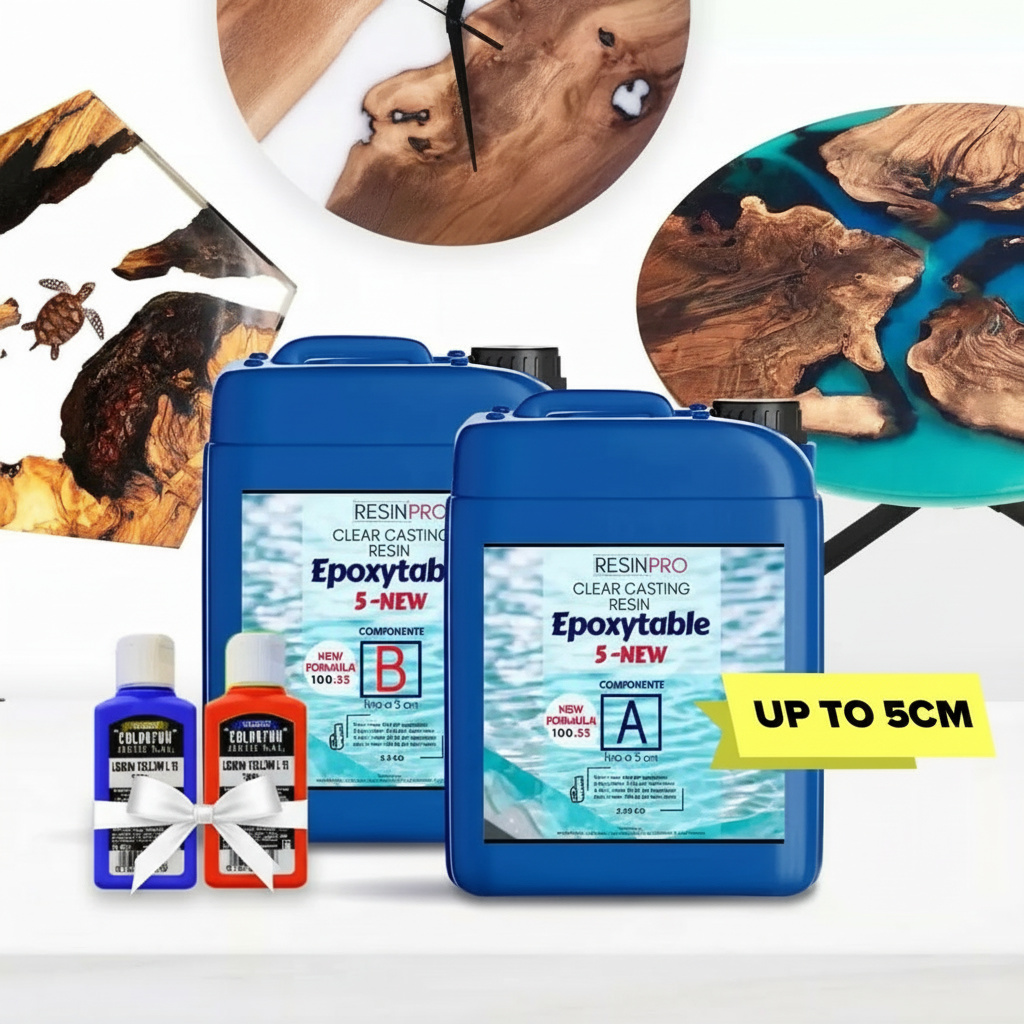
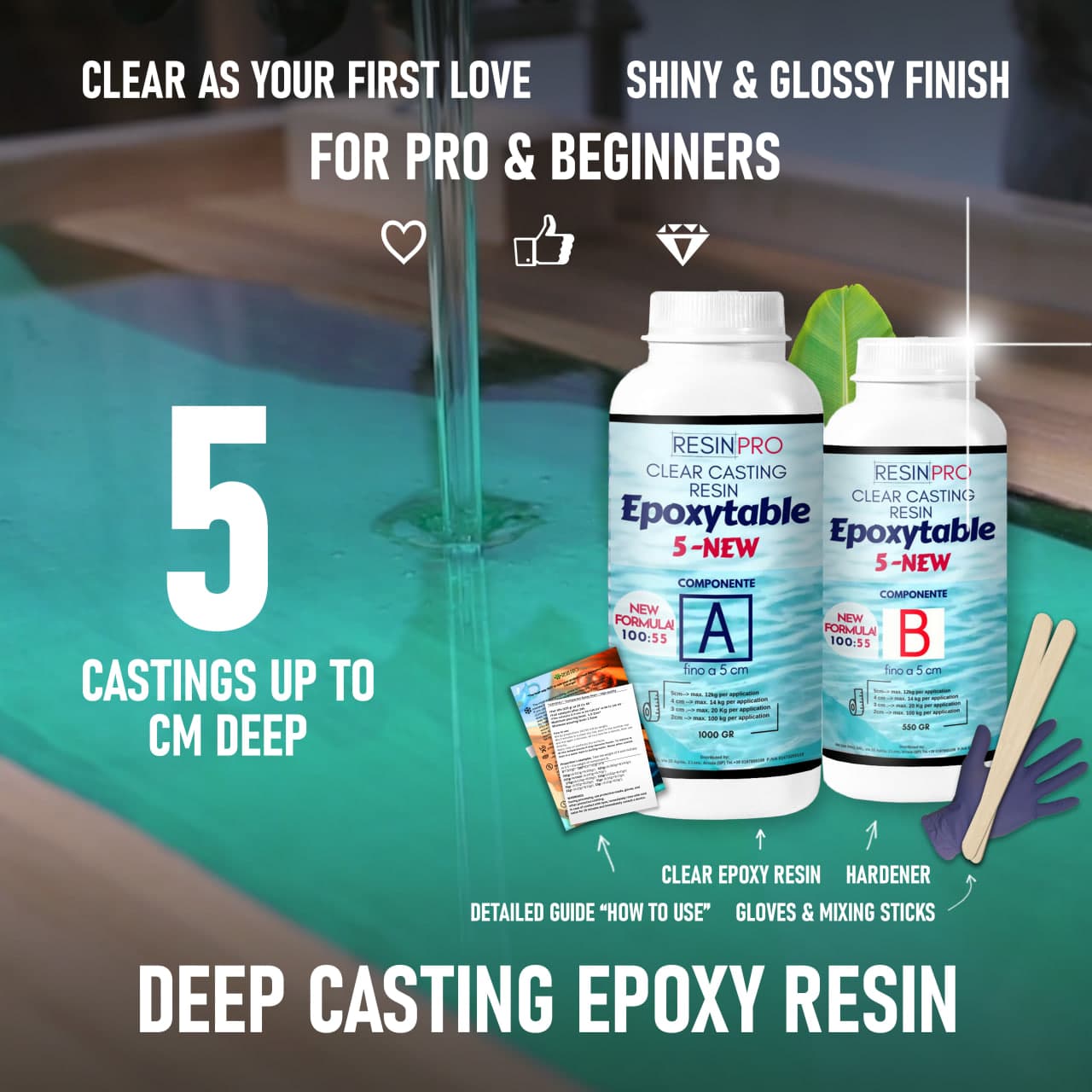
- “EpoxyTable 5-Five” – Deep Pour Epoxy Resin for Tables and Large Projects – Up to 5cm for thicker casts and embedding in larger pieces.
- “Epoxytable 10-Ten” – Deep Pour Epoxy Resin for Tables, Up to 10cm Casting for the deepest castings and object inclusions.
- Objects you wish to embed (ensure they are dry and clean).
- Protective gloves and mixing tools.
- Mixing containers, stirrers, and accurate weighing scales.
- Moulds suitable for your project’s shape and size.
- Dust cover or cling film for curing protection.
Resin Types for Object Embedding
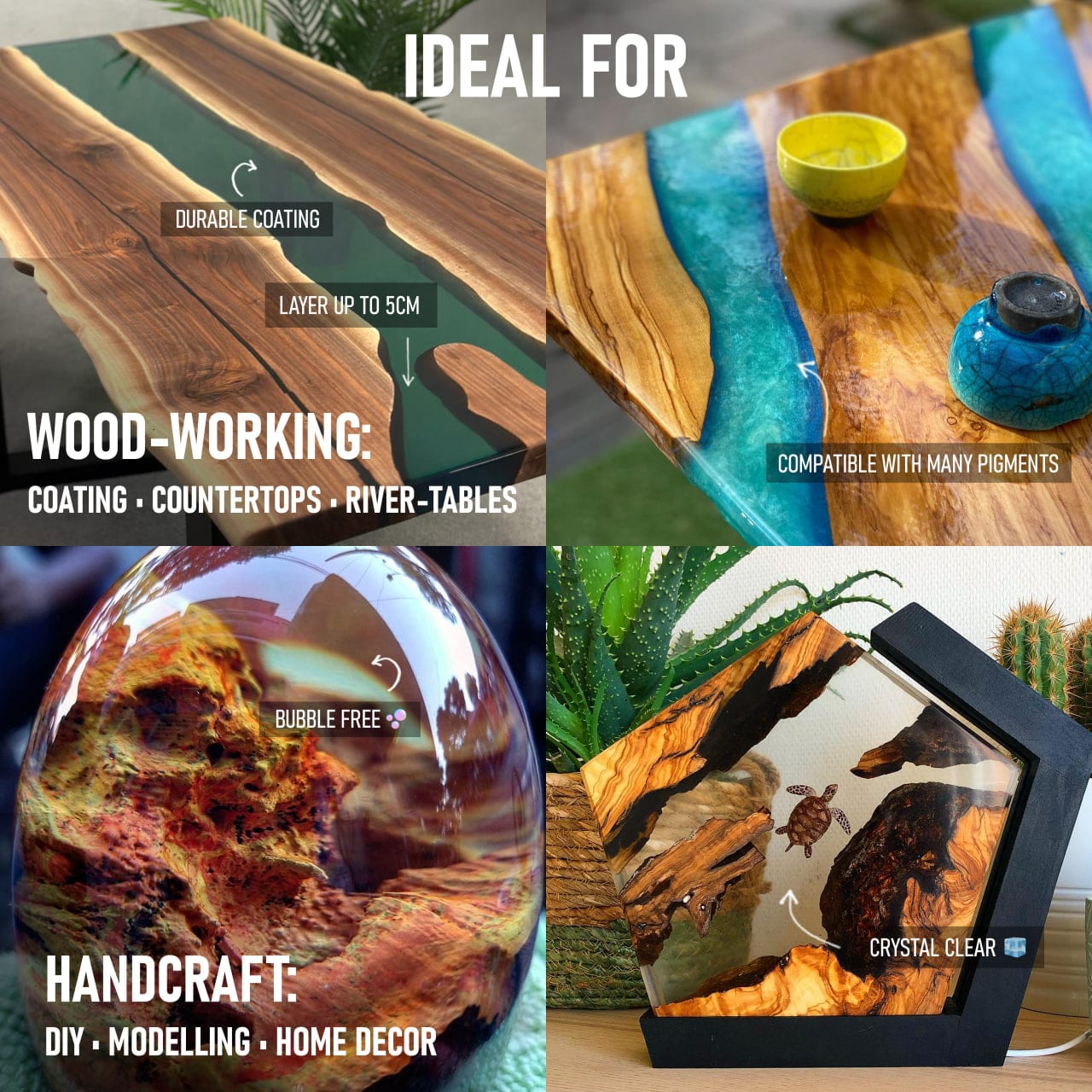
Select the right resin based on layer thickness and desired clarity. “Trasparente” epoxy is best for shallow castings and jewellery, while the robust EpoxyTable 5-Five and Epoxytable 10-Ten are ideal for thick, bubble-free castings in tables, art, or floral arrangements. Each offers a unique balance of UV protection and mechanical strength for lasting beauty.

Step 1: Prepare and Dry Your Objects
Preparation is key when embedding objects in resin. Always ensure objects are completely dry before embedding. Organic materials like flowers, leaves, or wood should be dehydrated using silica gel, air drying, or pressing. Moisture trapped inside objects can create unwanted bubbles and even discolour the resin over time. Clean the items to remove dirt, oils, or dust, as these impurities may cause imperfections or cloudiness within the cured resin.
If using intricate or delicate items such as petals or small memorabilia, consider giving them a light brush-off with a soft cloth to eliminate loose debris. For best results, test a small piece in resin first to observe any interactions or reactions.
Step 2: Mix and Pour the First Layer of Resin
Choose the resin type best suited to the thickness of your project. For shallow castings or jewellery, “Trasparente” multipurpose clear epoxy resin is ideal, supporting layers up to 2cm. For larger decorative pieces or deep pours, select EpoxyTable 5-Five or, for extreme depths, Epoxytable 10-Ten.
Measure resin and hardener precisely, following product instructions. Stir gently and thoroughly to minimise air entrapment. Pour resin in gradual layers based on the required thickness. For most embeds, pour a thin initial layer and allow it to partially cure (usually 6–24 hours, depending on the resin) before placing your object. This creates a smooth base and helps prevent objects from floating or moving.
Step 3: Position and Embed Your Objects in the Resin
When the resin has reached a gel-like or tacky state, it’s time to embed your items. Secure and position objects carefully to avoid movement. Use tweezers or toothpicks for precision and prevent fingerprints. For heavier items, a small dab of resin underneath can help ‘stick’ the item in place temporarily.
Your objects should not touch the mould walls to keep edges clear and avoid trapping bubbles. For multi-object compositions or complex layouts, arrange before pouring and transfer carefully.

Step 4: Seal and Finish with Successive Resin Layers
Once objects are set, pour the next resin layer over them. Allow each resin layer to partially cure before adding more to prevent heat build-up (exotherm), which can cause warping or yellowing. Deep pours over 2cm per layer require specialised resin; refer to EpoxyTable 5-Five or Epoxytable 10-Ten for advice.
Repeat until your project reaches the desired thickness. Pop any surface bubbles using a gentle airflow or by blowing through a straw. Cover your curing project with a box or film to keep dust off.

Tips and Common Mistakes When Embedding Objects in Resin
Perfect results rely on a dust-free, level workspace. Wipe away dust to prevent imperfections in the finish. Keep ambient temperature stable (ideally 18–24°C) to allow the resin to set without issues. Rushing the process, overfilling, or embedding damp objects are frequent pitfalls. Always check your resin’s maximum layer guidelines to avoid overheating.
If you want creative inspiration or need a visual guide for object embedding, try following the Free Step-by-Step Lesson “Kiwi Coasters” by Natalia Natirum, which walks you through techniques for artistic resin inclusion projects.
Creative Ideas for Resin Embedding
Try embedding dried flowers, coins, charms, or even photos for personalised resin art. Mosaic arrangements or layered designs add depth and visual interest. Learning through a free video tutorial can inspire your process and teach advanced placement techniques.
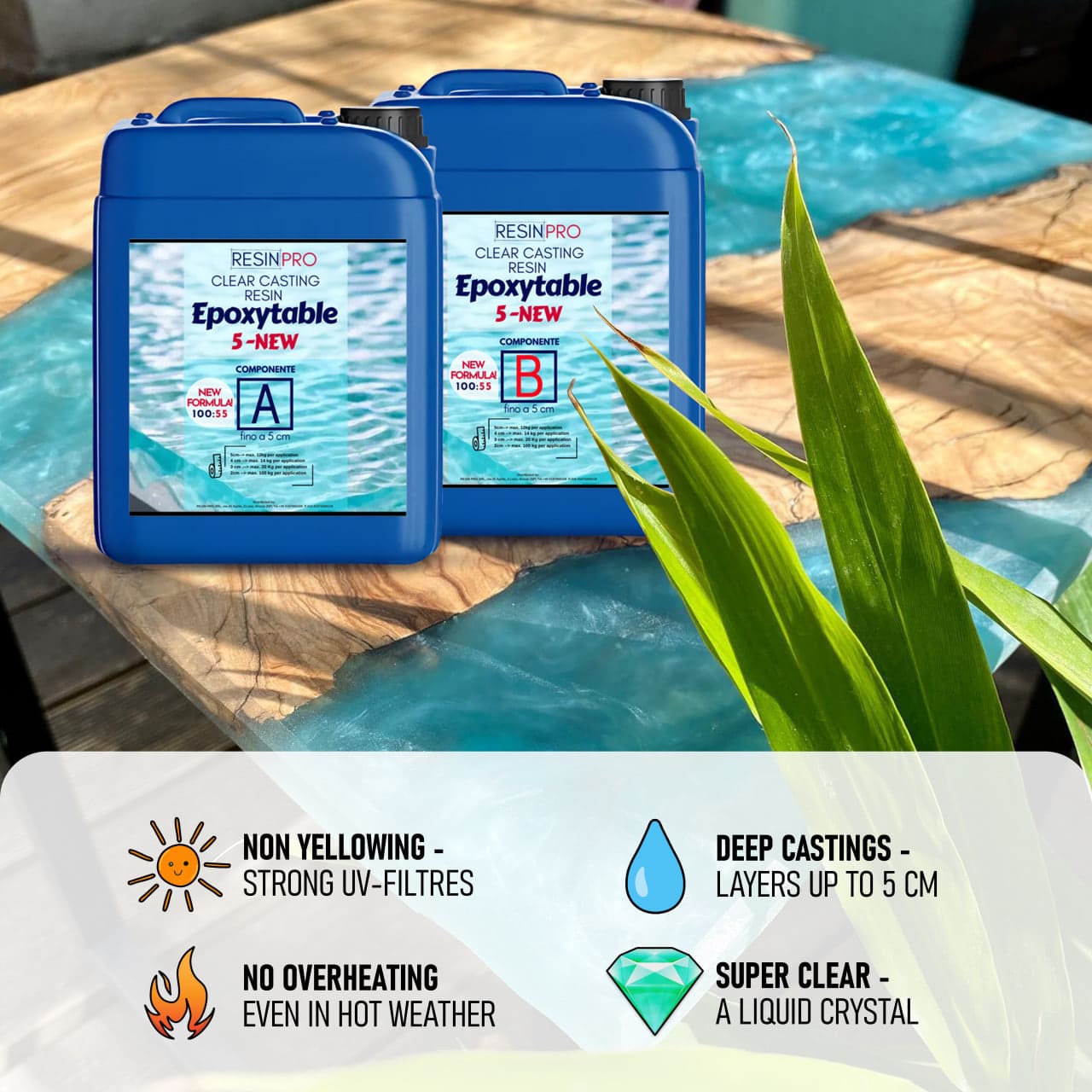
- "EpoxyTable 5-Five" – Deep Pour Epoxy Resin for Tables and Large Projects – Up to 5cmPrice range: £16.85 through £1,099.85"EpoxyTable 5-Five" is a deep pour epoxy resin designed for embedding and creating tables and large projects, suitable for pouring up to 5cm…
- “Epoxytable 10-Ten” – Deep Pour Epoxy Resin for Tables, Up to 10cm CastingPrice range: £33.85 through £334.85“Epoxytable 10-Ten” is a clear epoxy resin designed for deep pours up to 10cm, suitable for embedding objects in resin projects.
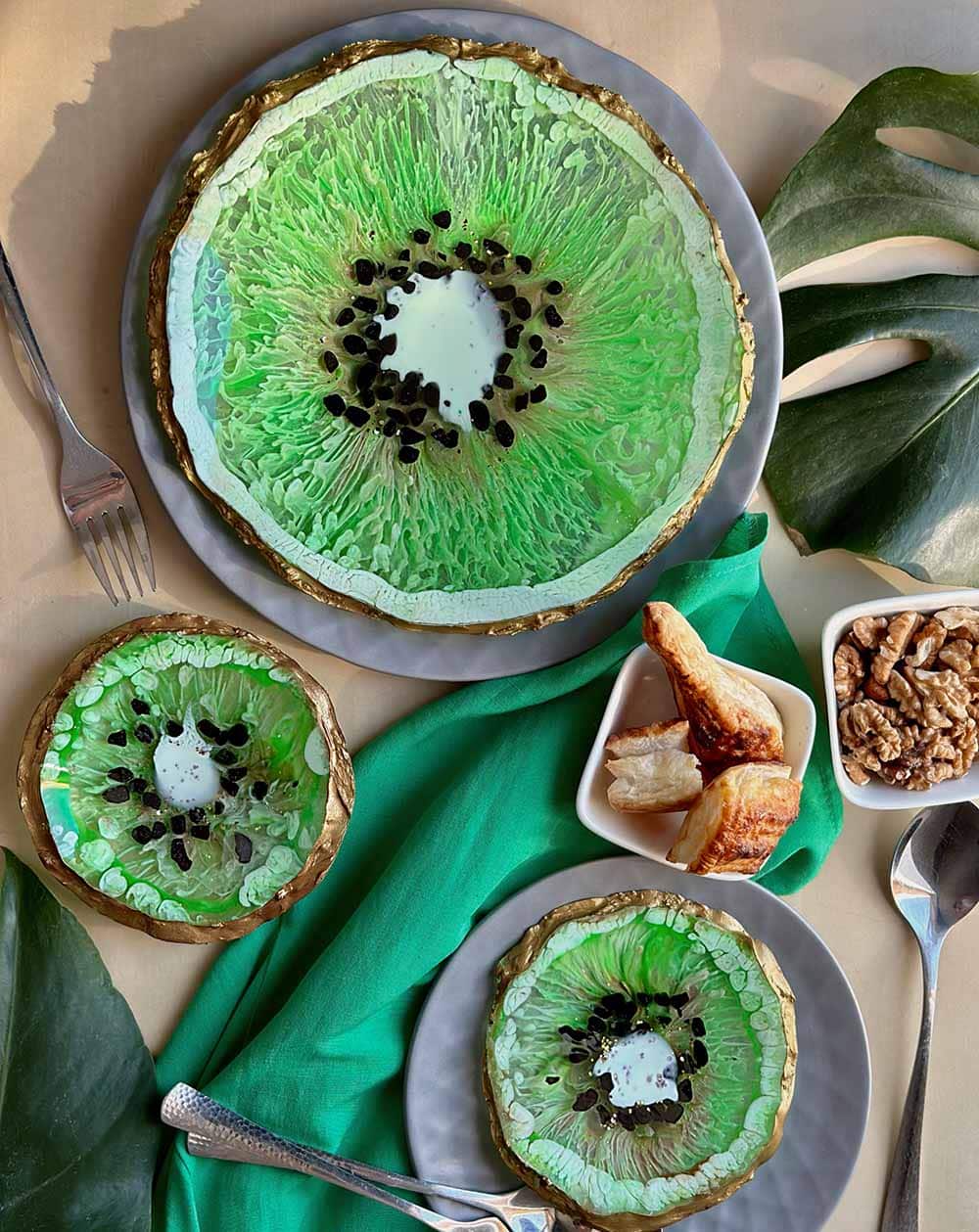 Free Step-by-Step Lesson "Kiwi Coasters" by Natalia NatirumOriginal price was: £99.00.£0.00Current price is: £0.00.Free video lesson on creating resin kiwi coasters, suitable for learning how to embed objects in resin.
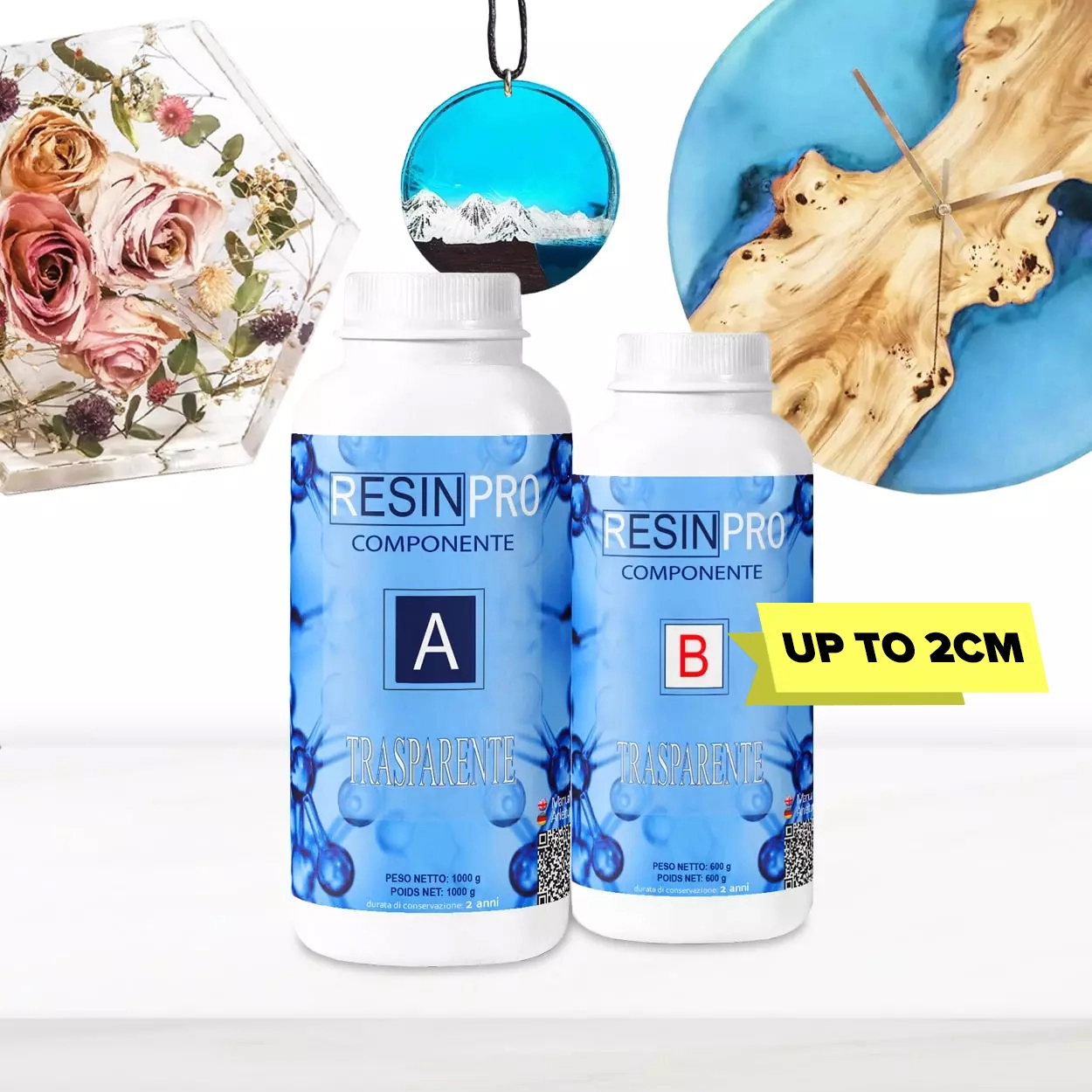 "Trasparente" – Multipurpose Clear Epoxy Resin for Casting – Up to 2cmPrice range: £8.45 through £948.85"Trasparente" is a clear epoxy resin designed for embedding objects and casting up to 2cm layers with a glossy, self-levelling finish.
Frequently Asked Questions
Which resin is best for embedding objects like flowers or memorabilia?
Use "Trasparente" for layers up to 2cm; EpoxyTable 5-Five or 10-Ten for thicker, larger projects.
How can I keep bubbles from forming when embedding items in resin?
Ensure objects are fully dry and pour resin slowly. Use gentle heat or air to pop surface bubbles.
Should I seal flowers, wood, or natural items before putting them in resin?
Yes, sealing can help, but above all, make sure items are dry. Acrylic spray or resin primer is recommended for extra protection.
How long should I wait before pouring the next resin layer?
Wait until the previous layer is tacky or partly set—usually between 6 to 24 hours, depending on resin type.
Will flowers or objects lose their colour over time in resin?
Good resin with UV filters helps prevent fading, but results may vary with organic items over many years.