 Free shipping on orders over £29,85
  Shipping Tracking!


 Google
 Facebook
← Back to How to embed animals in resin
Pouring resin in thin layers is a highly effective method for ensuring clarity and stability, particularly when embedding delicate items or creating decorative effects. This technique can help prevent issues like excessive heat build-up and bubble formation during the curing process.
Why Pour in Thin Layers?
Working in thin pours, such as layers up to 2cm with products like “Trasparente” epoxy resin, promotes even curing and reduces the risk of bubbles getting trapped around embedded objects. Thinner layers are easier to monitor and adjust if necessary, which is particularly useful for projects where clarity is essential.
How to Pour and Cure Each Layer
- Mix resin and hardener as directed, ensuring a thorough blend for even curing.
- Pour a thin layer (match your resin’s recommended maximum per pour—e.g., 1.5–2cm depending on the product).
- Allow each layer to partially cure before adding the next, which helps encapsulate items securely and prevents distortion.
- Use a torch or heat gun lightly to pop surface bubbles before curing.
If you’re embedding objects, make sure they are clean and dry before placement in each layer to achieve optimal clarity.
Choosing the Right Resin for Layering
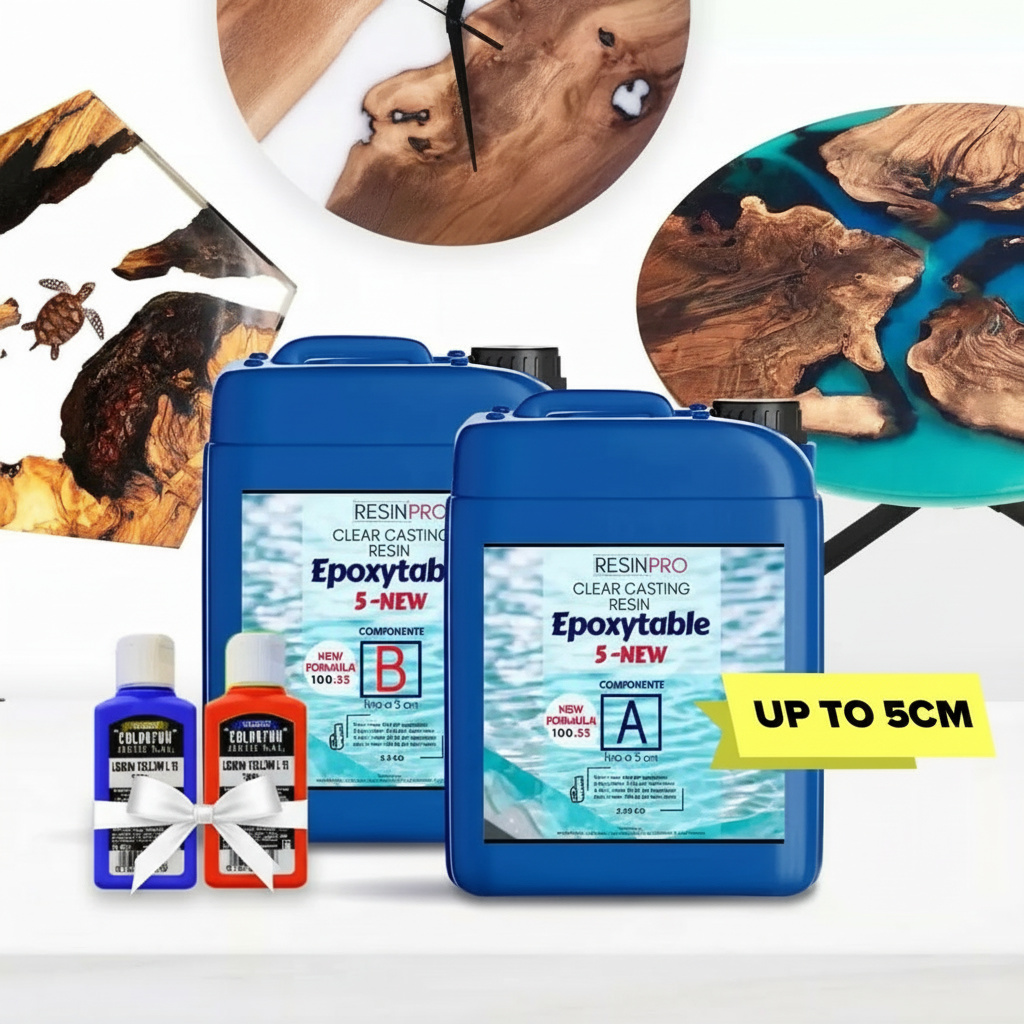
Selecting the appropriate resin depends on your project’s thickness and detail. For layers up to 1.5cm, “Icrystal” epoxy resin offers superb clarity and minimal odour, ideal for embedding smaller items. For layers up to 2cm, “Trasparente” is a versatile choice, while “EpoxyTable 5-Five” is suited to projects requiring pours up to 5cm, but may also be layered for extra control over deep castings.
When This Matters
Pouring in thin layers is particularly important when embedding items that could trap air or react to exothermic heat, such as dried flowers or small animal forms. This method helps maintain the shape, reduces risk of yellowing, and provides a predictable, bubble-free finish.
Related products
Related guides
Mastering the technique of pouring resin in thin layers improves both the safety and appearance of your finished piece, especially when working with embedded objects like in animal resin artistry. For more guidance, revisit our How to embed animals in resin guide.