 Free shipping on orders over £29,85
  Shipping Tracking!


 Google
 Facebook
← Back to how to work with resin sheet video
Selecting the right surface is key to achieving crisp results when pouring resin sheets. The right base minimises sticking, warping, and imperfections for a cleaner finish.
Top Surface Choices for Resin Sheet Pouring
Crafters typically favour non-stick moulds and silicone mats as the most reliable surfaces for pouring resin sheets. Silicone is naturally flexible and ensures effortless demoulding once the resin cures. If you’re looking to create distinct shapes, silicone moulds can be a practical choice, while flat silicone mats work well for sheet-style creations.
MDF sheets and pre-treated wooden boards also make excellent, stable bases. Ensure any wood is sealed or pre-treated to prevent moisture absorption and possible resin seepage.
Preparation Tips for Smooth Results
- Cleanliness: Make certain your surface is dust- and grease-free before you begin.
- Release Aids: For boards or wood, consider adding a release agent (like a light coating of wax paper or a commercial release film) if you require a fully removable resin sheet.
- Level Surface: Work on a level area to avoid unintended thickness differences.
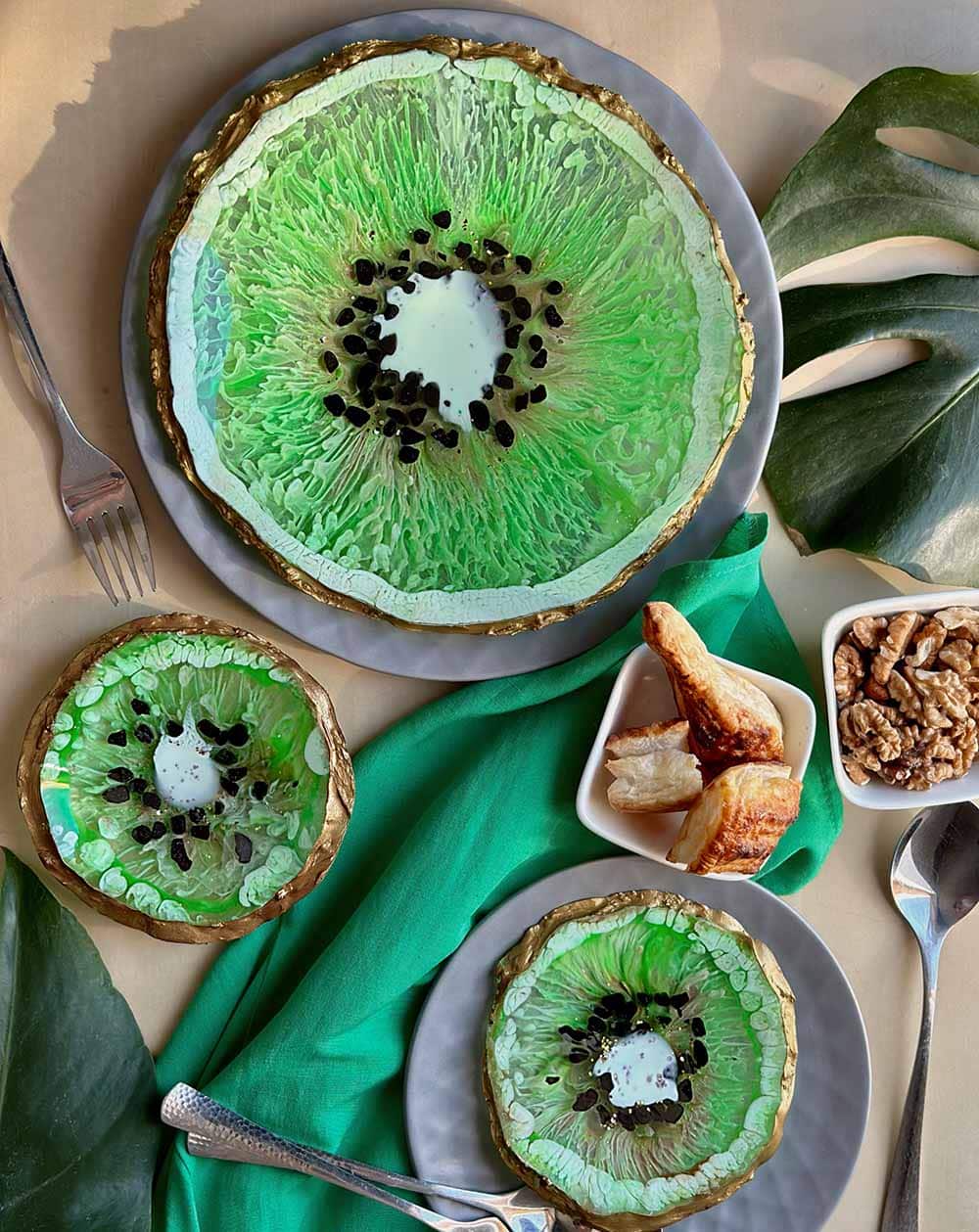
For inspiration with specific projects, take a look at lessons such as the Kiwi Coasters video tutorial, which details ideal surface choices in practice.
When This Matters Most
Choosing your base wisely is especially important when you need your resin sheet to be flexible, glossy, or perfectly flat. It also matters if the finished piece will be demoulded without damage, or if you need an easy clean-up after your pour.
Related products
Related guides
Choosing the right surface saves time and ensures your resin sheets lift cleanly and look their best. For more practical techniques and inspiration, explore the full how to work with resin sheet video hub.