 Free shipping on orders over £29,85
  Shipping Tracking!


 Google
 Facebook
How do you work with polyester resin?
Essential guidance for safe and reliable polyester resin results

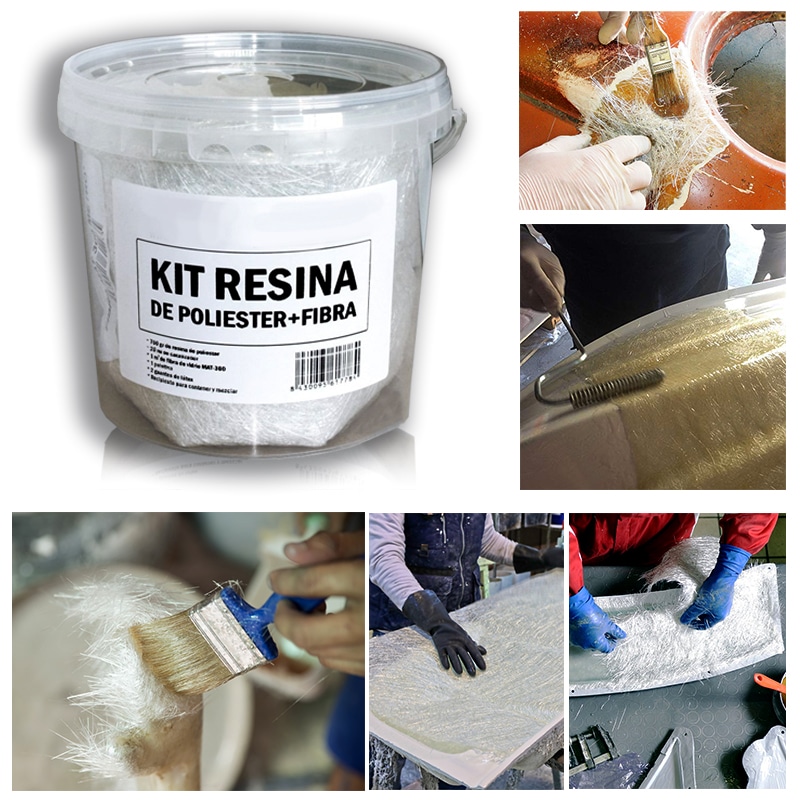
Polyester resin is a versatile material popular for repairs, moulding, and castings thanks to its strength and water resistance. This guide explains every step you need to follow to safely and effectively work with polyester resin—ideal whether you are repairing boats, making crafts, or tackling DIY fixes.
What You’ll Need
- Resin Fibreglass Repair Kit – Complete Polyester Resin and Hardener Set – For convenient repairs and basic casting.
- “Pure Mould” – Translucent Liquid Silicone Rubber for Mould Making – If you plan on casting resin in complex shapes.
- Nitrile Gloves – 50 Pairs (100 Pieces) – Essential for hand protection when handling chemicals.
- “Abek Climax” – Mask Filters for 755/756/732-A1 – Epoxy Resin Use, Set of 2 – For appropriate respiratory protection during use.
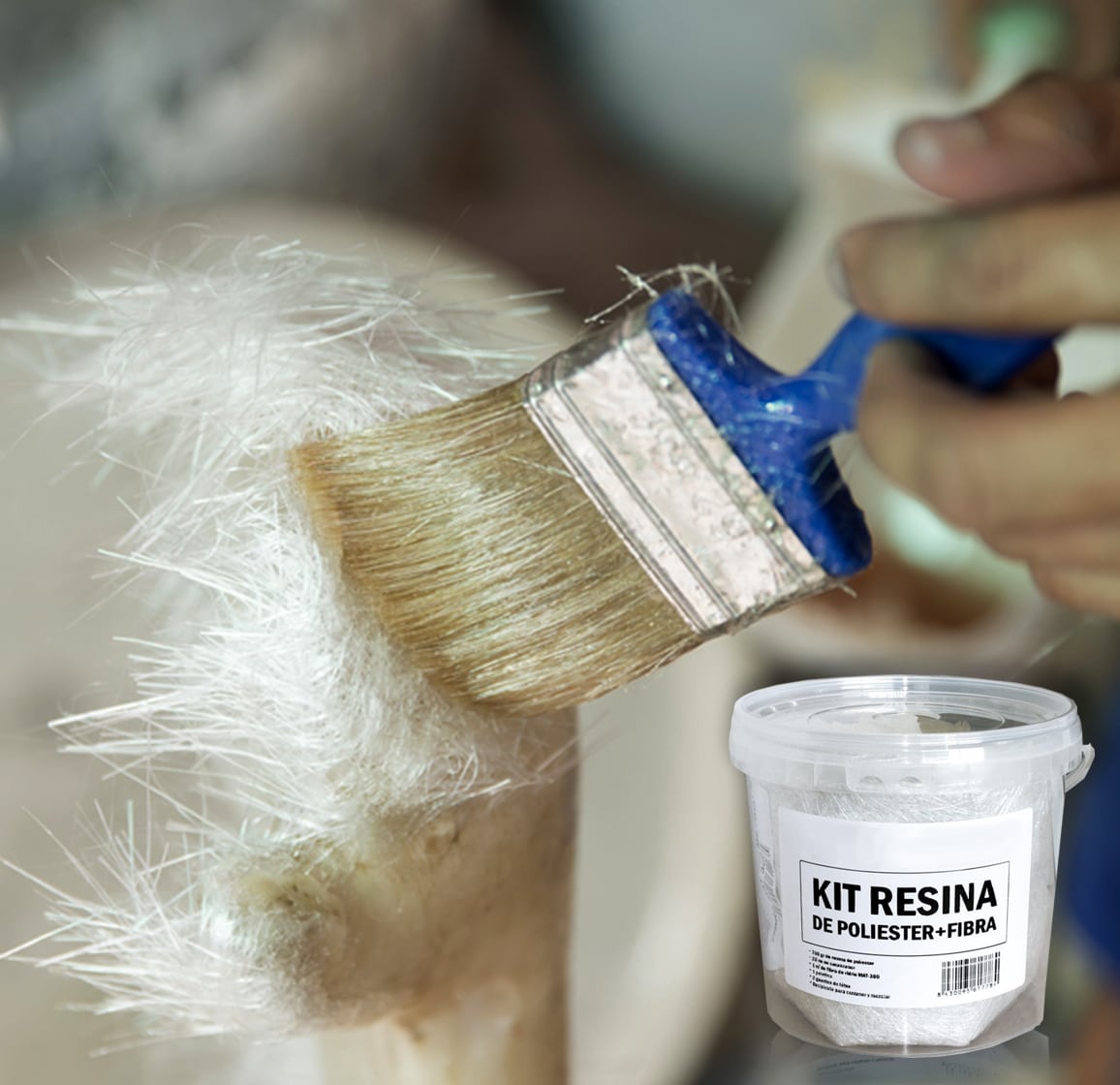
Polyester Resin in Action
Explore stunning repair and casting results achieved with polyester resin, including structural boat repairs, waterproof pool fixes, and precise moulded parts. These photos highlight the material’s clarity and reliability across project types, demonstrating both the effectiveness and versatility polyester resin offers for DIY and professional use.
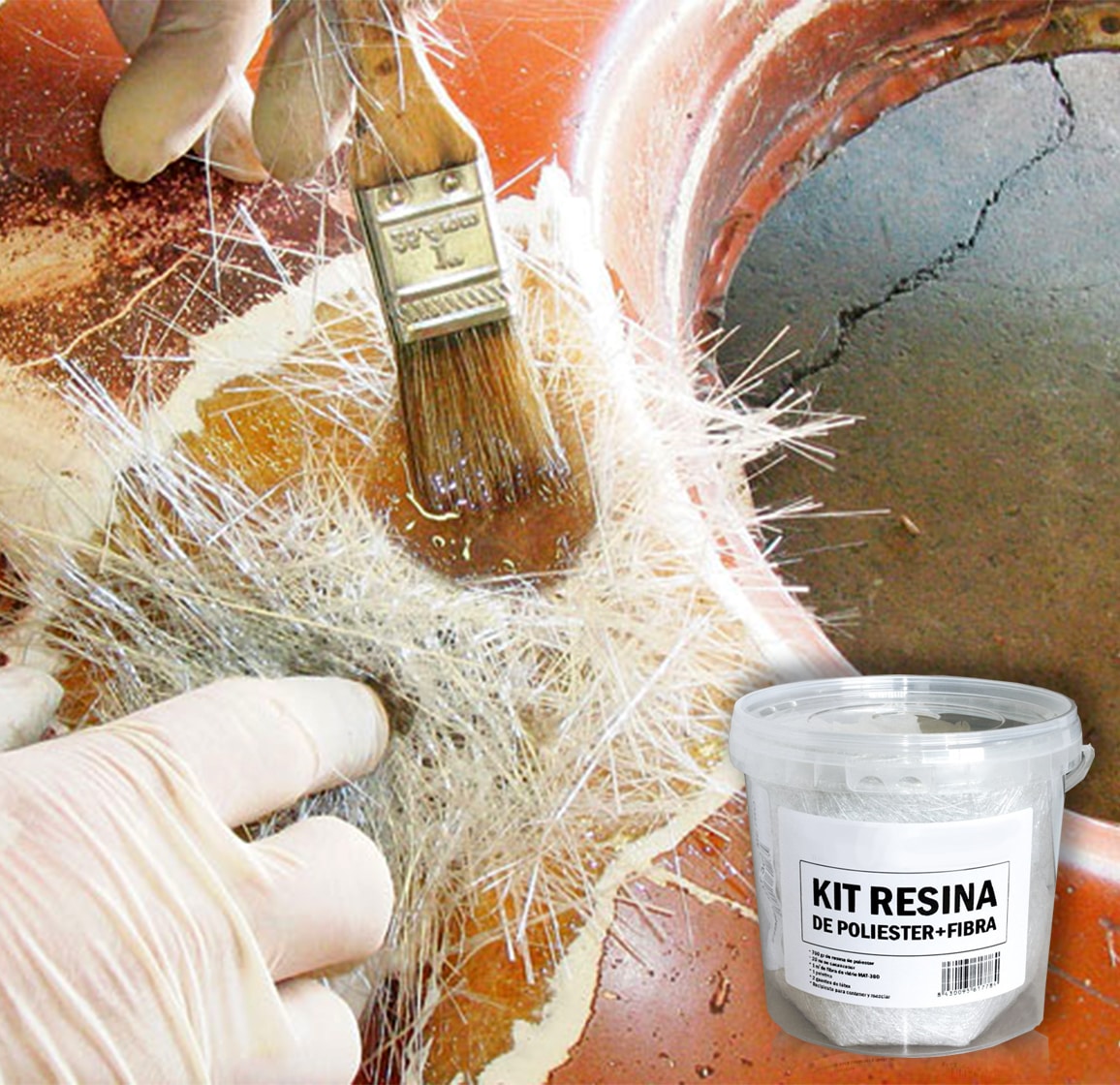
Step 1: Plan Your Project and Prepare the Surface
Before opening a container, clearly define your project’s needs—whether it is repair work, creating a cast, or fabricating new items. Surface preparation is critical: ensure the area is dry, dust-free, and structurally sound. For repairs, remove any loose material and roughen glossy surfaces with sandpaper so the resin will adhere properly. If you are casting, select or prepare your mould (using a material like silicone rubber for intricate shapes) and make sure it’s free of contaminants and completely dry.
Step 2: Protect Yourself and Set Up a Safe Workspace
Wear proper protective equipment—gloves, goggles, and ideally a filtered mask—any time you are working with polyester resin. Resin gives off fumes that should not be inhaled, so work in a well-ventilated area or outdoors where possible. A disposable covering for your workspace is strongly recommended to catch any spills. For extra respiratory protection, the “Abek Climax” – Mask Filters for 755/756/732-A1 – Epoxy Resin Use, Set of 2 fit most common reusable masks.
Step 3: Accurately Measure, Mix, and Apply the Resin
Accurate mixing is crucial. Polyester resin must be mixed precisely with its hardener following the instructions—typically a few percent by weight. Too little or too much can leave the resin sticky or brittle. Use a clean container and stir the components thoroughly but gently, avoiding the introduction of excess air bubbles. If you are using the Resin Fibreglass Repair Kit – Complete Polyester Resin and Hardener Set, this comes with pre-measured resin and hardener to simplify the process and includes mixing accessories.
Apply the mixed resin promptly. For repairs, saturate both the surface and any fibreglass mat with resin for maximum strength. For casting, pour slowly into your prepared mould.
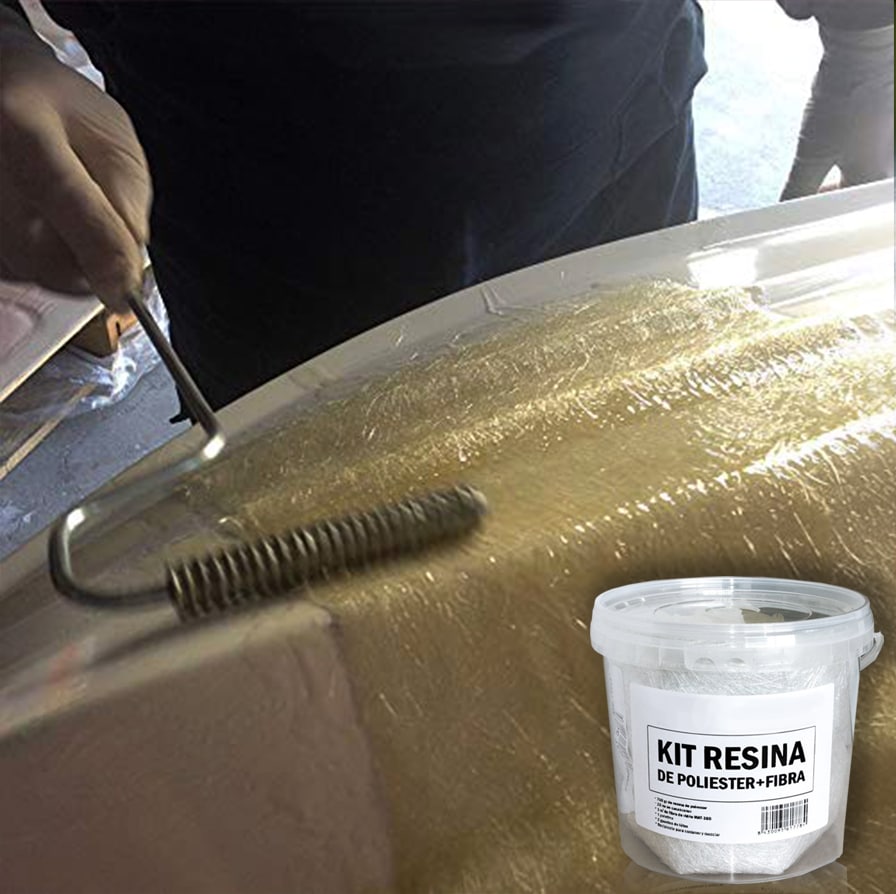
Step 4: Curing and Demoulding
Once applied, let the resin cure without disturbance. Standard polyester resin will begin to set in about 20–40 minutes at room temperature, but check your product instructions for precise timing. Avoid touching, moving, or exposing to dust until full cure is achieved—in many cases, several hours. For castings, products like “Pure Mould” – Translucent Liquid Silicone Rubber for Mould Making allow easy removal thanks to flexibility and non-stick properties.

Tips, Common Mistakes, and Troubleshooting
Avoid excess hardener—it can cause over-rapid curing, warping, or reduced strength. Always prepare only as much resin as you can apply before it starts to harden, as mixed resin will set quickly once activated. If you notice tacky resin after curing, recheck your mixing ratio and environmental conditions. Work in a well-ventilated area to minimise inhalation risk, and dispose of any waste responsibly.
Safety and Best Practices for Working with Polyester Resin
Personal protective equipment is a must. Always use gloves and a high-quality mask when handling uncured resin, and ensure your area is ventilated. Store resin and hardener separately, out of direct sunlight. For delicate demoulding, choose flexible, quality silicone like “Pure Mould” for clean results that preserve detail.
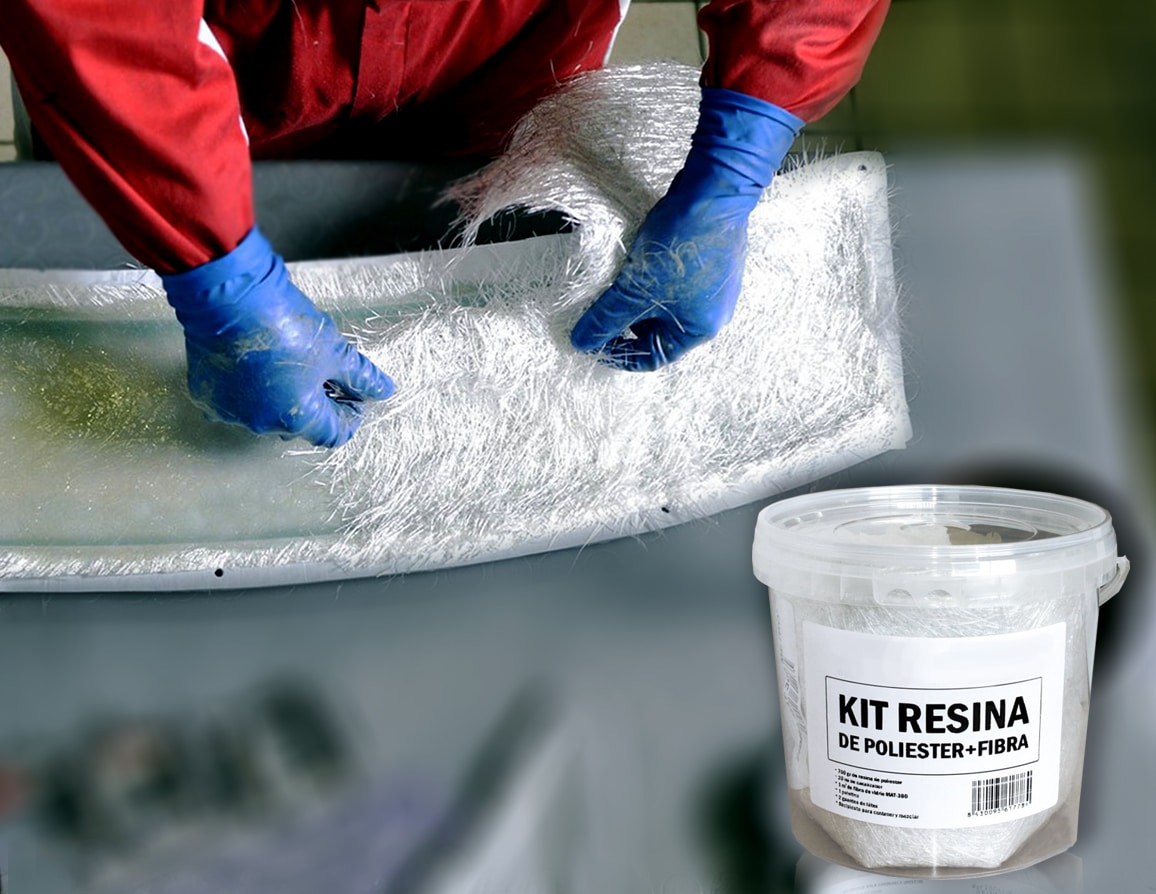
- Resin Fibreglass Repair Kit – Complete Polyester Resin and Hardener SetPrice range: £13.85 through £22.85The Resin Fibreglass Repair Kit offers a complete system for polyester resin repairs, suitable for various rigid surfaces and easy to use.
- "Abek Climax" – Mask Filters for 755/756/732-A1 – Epoxy Resin Use, Set of 2£15.45Mask filters designed for 755/756/732-A1 masks provide filtration suitable for use with epoxy, polyurethane, and polyester resins.
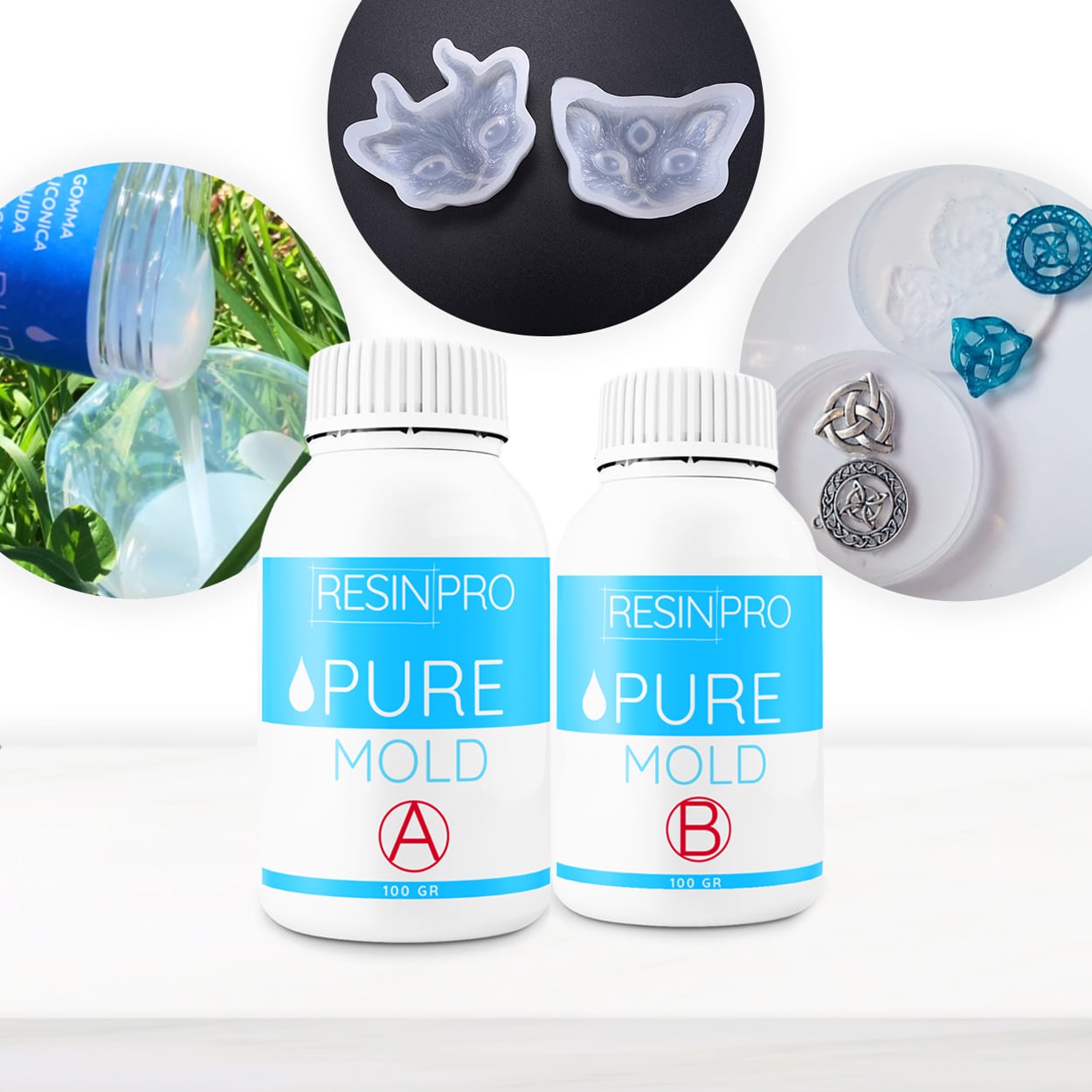 "Pure Mould" – Translucent Liquid Silicone Rubber for Mould MakingPrice range: £22.85 through £158.85"Pure Mould" is a translucent, platinum-based silicone rubber suitable for making moulds compatible with polyester resin and other materials.
 Nitrile Gloves – 50 Pairs (100 Pieces)£8.85Nitrile gloves designed for working with resins, providing chemical resistance and a latex-free fit.
Frequently Asked Questions
Can I repair outdoor items with polyester resin?
Yes, polyester resin is waterproof once cured and suitable for outdoor applications such as boats, pools, and water tanks.
How should I dispose of leftover resin?
Let any mixed resin cure fully before disposal. Liquid uncured resin should be treated as hazardous waste according to local regulations.
Why is my resin sticky after curing?
Sticky resin often results from incorrect mixing ratios or insufficient curing time. Always measure components carefully and follow product instructions.
Is polyester resin safe to use indoors?
It can be used indoors if the workspace is well ventilated. Always wear a respirator and avoid prolonged exposure to fumes.
Can I cast polyester resin in any mould?
For best results, use silicone or other non-stick moulds designed for resins to ensure easy release and avoid damage to your casting.
Do I need special gloves for polyester resin?
Nitrile gloves are recommended, as they provide chemical resistance and protection during resin work.