 Free shipping on orders over £29,85
  Shipping Tracking!


 Google
 Facebook
How do you remove resin from moulds?
Step-by-step guide for safe and effective resin removal


Removing resin from moulds seems simple but doing it the right way ensures your moulds stay in great condition and your projects look their best. Whether you craft professionally or as a hobby, this guide will walk you through safe and thorough resin removal to protect both mould and finished piece.
What You’ll Need
- Silicone Oil for Mould Protection and Easy Release – 15ml – For preventing resin adhesion.
- Scraper for Paint & Dry Resin Removal – 10 Double-Sided Blades – For gently dislodging cured resin.
- Heavy Duty Scraper for Paint and Epoxy Resin Removal – For tougher, thicker residues.
- Strong Technical Degreaser for Resin Projects – 100% Natural Formula – For final cleaning and residue removal.
- Soft cleaning cloths
- Protective gloves

See Resin Removal in Action
Visualise each step for safe unmoulding. Browse our curated images to understand preparation, removal, and cleaning of resin from various types of moulds. Proper technique is key to protecting your tools and the quality of your finished pieces.

Step 1: Let the Resin Cure Completely
Always let your resin cure fully before removal. Attempting to unmould resin too early may cause distortion, fingerprints, or incomplete release. Refer to your specific resin’s instructions, but typically, full curing takes between 24–72 hours. Gently touch a non-visible corner – if it feels firm and not tacky, you’re ready for removal.
Patience is key: premature demoulding risks damaging both your piece and the mould surface.
Step 2: Prepare the Mould for Easy Release (Optional but Recommended)
If you frequently struggle with stubborn castings, prepping your mould beforehand makes a world of difference. Silicone Oil for Mould Protection and Easy Release – 15ml can be lightly applied as a release agent. This creates a thin, non-adhesive barrier between the resin and mould, significantly easing the removal process and extending your mould’s lifespan.
A thin coat of silicone oil helps release resin easily. Wipe away any excess to prevent pooling, which could alter your piece’s finish.
Step 3: Carefully Unmould Your Resin Piece
Begin by gently flexing the sides of your mould to loosen the cast. Work slowly, easing the piece out while avoiding sharp tugs or pressure points. For flexible silicone moulds, invert the edges and “peel” them away from the resin.
Never force hardened resin out of a delicate mould. If an edge sticks, pause, and gently massage the mould in that area.

Step 4: Remove Stubborn Residues or Overspill
Occasionally, small areas of cured resin cling to the inside of the mould. For thin films or patches, use a soft cloth or your finger wrapped in a cloth to rub gently. When this fails, choose a suitable scraper: for fine detail, the Scraper for Paint & Dry Resin Removal – 10 Double-Sided Blades allows precision; for thicker, larger areas, the Heavy Duty Scraper for Paint and Epoxy Resin Removal provides extra strength.
Gentle scraping protects your moulds from scratches. Hold the scraper almost flat against the mould and use slow, careful strokes. Avoid metal-on-silicone contact where possible to prevent gouges.

Step 5: Clean and Maintain Your Mould
After unmoulding and scraping, cleaning any residue ensures your mould is ready for future projects. A natural degreaser such as Strong Technical Degreaser for Resin Projects – 100% Natural Formula is ideal: apply with a soft cloth and wipe the mould thoroughly. Rinse with water if needed and allow to air dry completely before storage.
Clean your moulds after each use to extend their life. Proper care prevents build-up and helps retain flexibility and shine.
Essential Tips and Common Mistakes
- Work gently and never rush: forceful removal is the main cause of torn moulds.
- Avoid abrasive cleaners or harsh chemicals, as these degrade silicone and reduce longevity.
- Store moulds flat and out of sunlight to prevent warping or brittleness.
- For frequent casting, rotate between a few moulds to give each one time to recover and stay supple.
- If resin won’t budge, briefly place the mould in the freezer; the resin may contract enough to release easily.
Expert Advice for Long-Lasting Moulds
Mould protection products combined with careful handling will keep your silicone forms in top condition, project after project. Explore tips and tricks in this gallery to master resin demoulding and tool maintenance for industry-standard results.

- Silicone Oil for Mould Protection and Easy Release – 15ml£5.15Silicone Oil provides mould protection and helps prevent resin adhesion for easier removal, suitable for resin crafting projects.
- Scraper for Paint & Dry Resin Removal – 10 Double-Sided Blades£4.65Scraper designed for removing paint and dry resin from smooth surfaces with 10 double-sided blades, fitting the theme of resin removal from moulds.
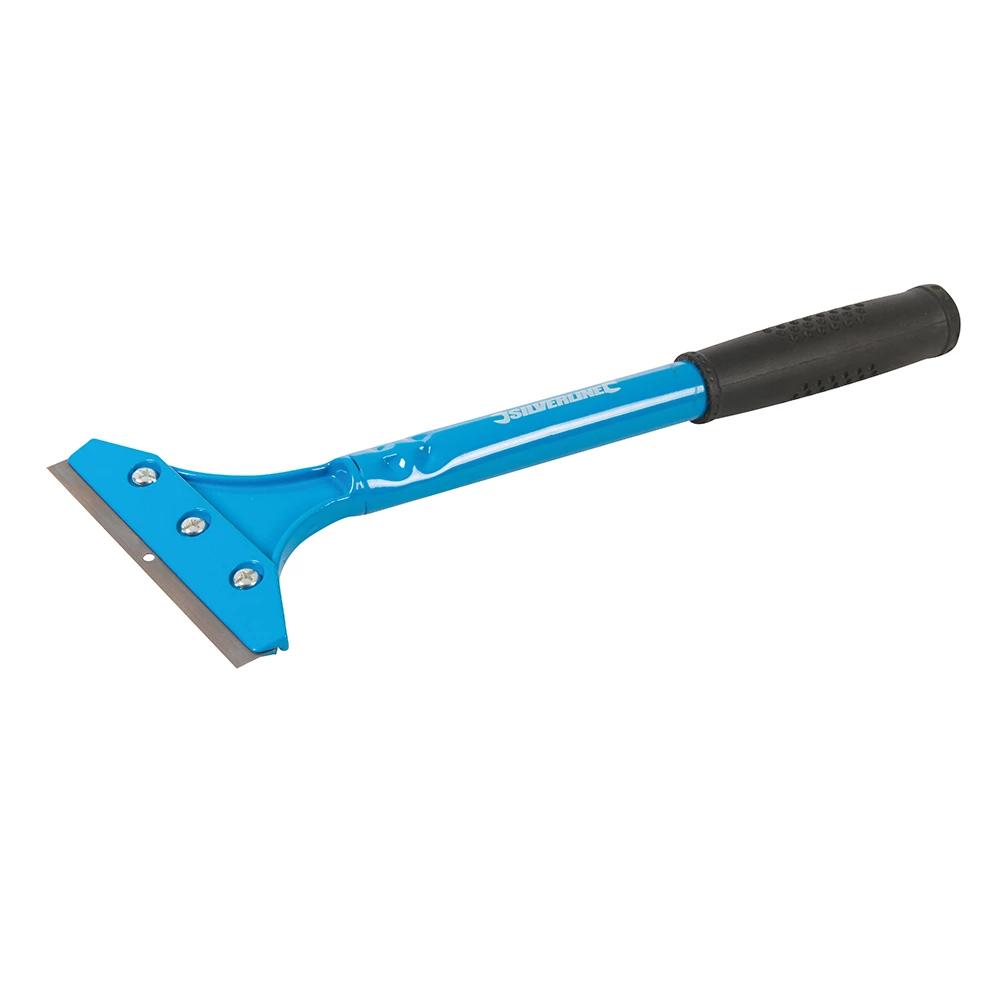 Heavy Duty Scraper for Paint and Epoxy Resin Removal£8.35Heavy Duty Scraper is a tool designed for effective removal of paint and coatings, suitable for use in resin-related projects.
 Strong Technical Degreaser for Resin Projects – 100% Natural FormulaOriginal price was: £10.00.£8.85Current price is: £8.85.A natural, gentle degreaser suitable for cleaning surfaces and removing residues in resin projects.
Frequently Asked Questions
How do I safely remove cured resin from silicone moulds?
Let resin cure fully, flex the mould edges, and gently peel away the piece—avoid sharp objects that could damage the mould.
What scraper works best on resin stuck in moulds?
A scraper designed for paint and dry resin, with a flat, sharp blade, is ideal for carefully removing stubborn bits from mould surfaces.
How can I prevent resin sticking in moulds?
Apply a light layer of silicone oil or mould release agent before each pour to reduce adhesion and aid easy removal.
How do I clean moulds after removing resin?
Use a mild, natural degreaser and soft cloth, rinse well, and let the mould dry thoroughly before reuse or storage.
Tips for removing resin from very detailed or intricate moulds?
Work slowly, flex the silicone gently, and consider a light application of release agent to avoid damage to fine details.
What if resin residue won't release from the mould?
Try a gentle scraper or place the mould briefly in the freezer; cold temperature helps the resin contract and release.