 Free shipping on orders over £29,85
  Shipping Tracking!


 Google
 Facebook
← Back to How do you file resin?
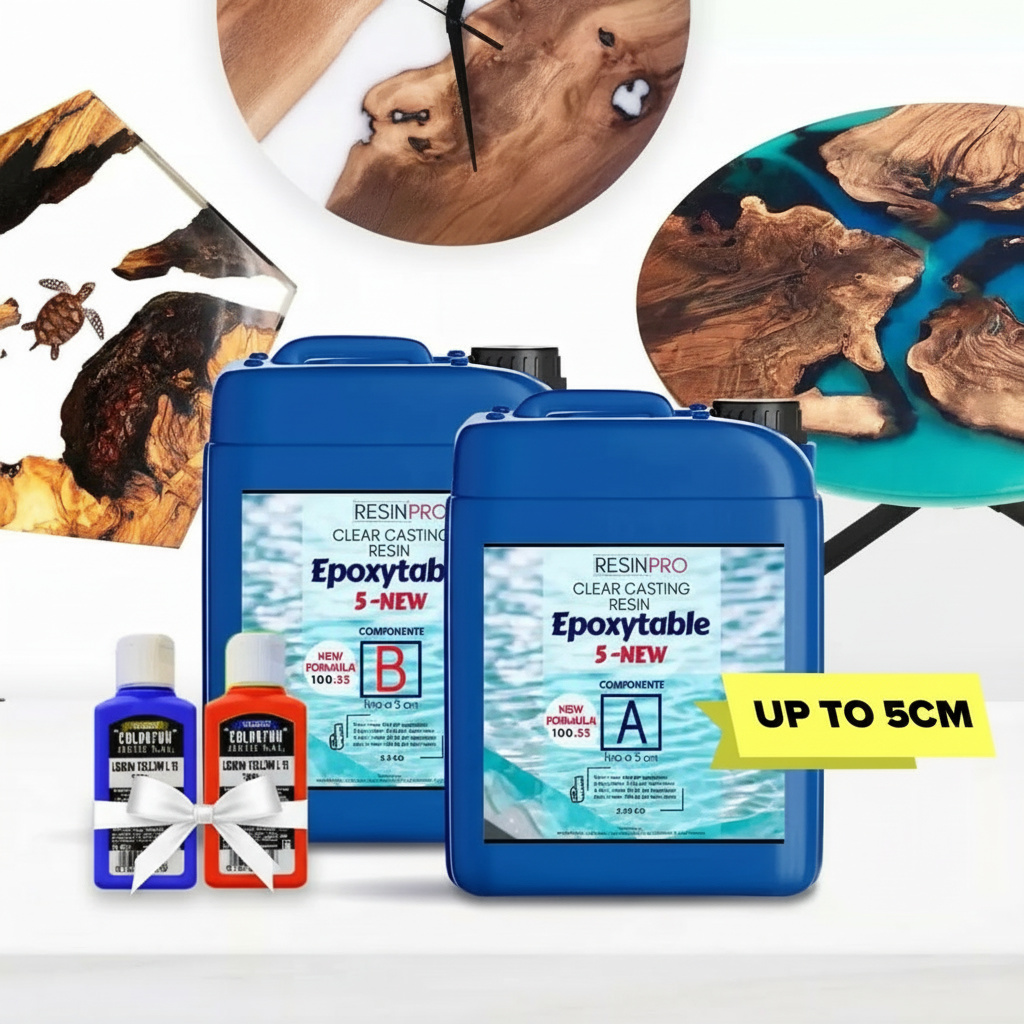
Filing resin projects is a key finishing step to achieve smooth edges or refine intricate details. The right choice of file can make your work more efficient and deliver a quality result.
Can I Use Regular Files for Resin?
General metal or woodworking files commonly found in most toolkits are well suited to filing hardened resin. They are especially effective on larger, flat areas or when you need to remove excess material quickly after demoulding. Coarser files help even out rough patches and shape your surface for the subsequent finer finishing.
When to Choose Needle Files
For small objects, decorative casts, or pieces with intricate details, precision needle files are recommended. Their fine tips and variety of shapes allow for delicate control, essential for refining tight spaces, curves, and embellishments found in jewellery making and model crafting. Using these files helps to maintain the detail of your resin work without causing accidental damage.
Practical Filing Tips
- Always allow your resin to fully cure before filing to avoid sticky surfaces.
- Work gradually, using a coarse file first, then progressing to finer grades for a polished finish.
- Keep files clean and periodically brush away resin dust to maintain their efficiency.
- For ultra-smooth results on flat projects like tables, use abrasives in sequence after initial filing. EpoxyTable 5-Five resin’s scratch-resistant surface is ideal for this purpose.
When This Matters
Choosing the appropriate file is especially important if your project involves delicate 3D prints, cast jewellery, or artistic coatings using clear resins like 3D Finish or Art Pro. The right tools help you achieve professional results and preserve fine details.
Related products
Related guides
By selecting files that suit your specific resin project, you can achieve clean, precise finishes whether you’re crafting tables, models, or artwork. Return to our main guide for more tips on filing and finishing resin surfaces effectively.