 Free shipping on orders over £29,85
  Shipping Tracking!


 Google
 Facebook
How do you file resin?
Expert techniques for sanding, shaping, and polishing resin

Filing resin is an essential step to achieving smooth, polished surfaces, whether you’re refining cured castings, fixing minor imperfections, or preparing pieces for painting or coating. This guide explains the full process of filing and finishing resin projects of any size, detailing the materials, safety, and expert techniques required for the best results.
What You’ll Need
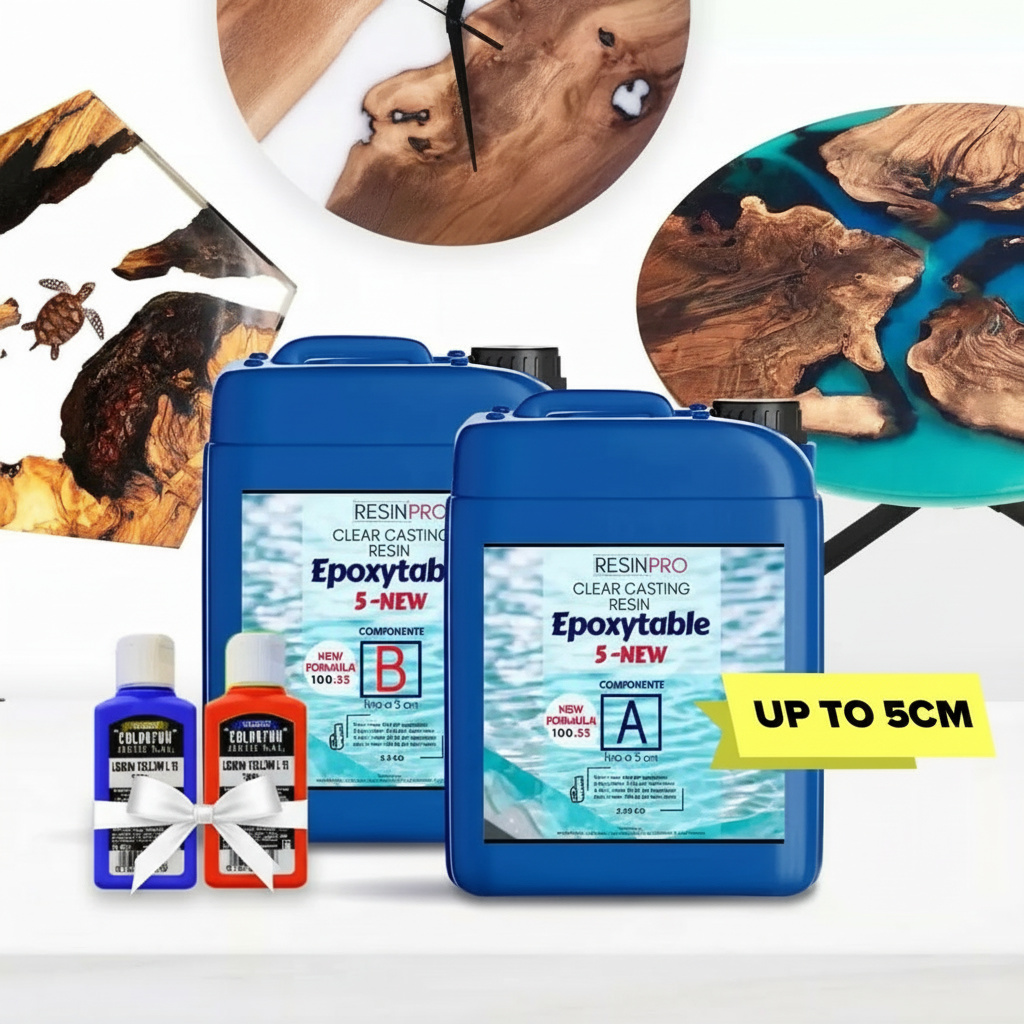
- “EpoxyTable 5-Five” – Deep Pour Epoxy Resin for Tables and Large Projects – Up to 5cm: A deep pour epoxy resin suitable for projects up to 5cm thick, including tables and large-scale artistic castings.
- “Epoxytable 10-Ten” – Deep Pour Epoxy Resin for Tables, Up to 10cm Casting: Epoxy resin formulated for thick, clear castings up to 10cm, suitable for tables and artistic deep pour projects.
- “3D Finish” – Fast Coating Epoxy Resin for 3D Prints: Fast curing epoxy resin coating designed for finishing, bonding, and repairing 3D prints with preserved detail.
- “Art Pro” – Clear Epoxy Resin for Artists and Surface Coating: Medium viscosity clear epoxy resin for artists, crafters, and DIY users for surface coatings and decorative objects.
- Assorted sandpapers (grits from 120 to 2000)
- Precision files and needle files
- Protective goggles and dust mask
- Microfibre cloths
- Polishing compound and soft polishing cloths
- Bowl of water (for wet sanding)

Essential Safety and Tool Preparation
Safety comes first when filing resin. Wear gloves, goggles, and a dust mask at all times. Prepare all required sanding papers and files in advance, and keep your work area tidy to prevent errors or accidents. If available, use a small vacuum or dust extractor to keep airborne particles to a minimum.

Step 1: Prepare Your Workspace and Safety Gear
Before starting, ensure your workspace is well-ventilated and free from dust. Cover surfaces with a protective mat to prevent scratches or injuries, and make sure your tools are organised and within reach.
Always wear a protective mask and goggles when filing resin. Cured resin dust can be hazardous if inhaled or if it comes into contact with your eyes. If possible, work near an extraction fan or outdoors.
Lay out your resin project and examine the surface for bumps, drips, or uneven areas to determine where filing is needed. Tack cloths or slightly damp microfibre cloths are helpful for initial dust removal.
Step 2: Begin with Coarse Filing and Shaping
Start by using a coarse file or 120–240 grit sandpaper to remove major imperfections, such as sharp edges, drips, or raised seams. Hold the file at a low angle and work in a steady, controlled motion, moving in the same direction with light pressure to avoid gouging the resin.
If you are working on detailed or complex shapes, opt for needle files for greater control. For 3D printed parts that need quick surface flattening, a specialty resin like “3D Finish” – Fast Coating Epoxy Resin for 3D Prints may be applied beforehand to level and harden the print, making subsequent filing easier and cleaner.
Start with coarse grit, progress gradually: Jumping straight to fine sandpaper will leave imperfections behind. Finish the section by brushing or blowing away dust before moving on.
Step 3: Refine with Incrementally Finer Sandpapers
Once the rough filing is complete, switch to higher grits (320, 600, 1200) to further smooth the resin. Use wet sanding techniques where possible—dampen the sandpaper and lightly sand the surface in small, circular motions. This minimises airborne dust and produces a cleaner result.
Continue stepping up the grit, making sure each previous scratch is removed before proceeding to a finer grade. Consistent rinsing or wiping will help reveal any remaining marks or uneven patches.
Resins such as “Art Pro” – Clear Epoxy Resin for Artists and Surface Coating are specially formulated for surface coatings, so they respond particularly well to meticulous sanding and polishing steps.

Step 4: Polish for a Glossy, Professional Finish
After reaching 1200–2000 grit, transition to polishing compound and a soft, lint-free cloth to restore shine to your resin project. Apply a small amount of polish and buff in overlapping, circular motions, working slowly across the surface until the desired gloss appears.
Polished resin surfaces—especially those prepared with deep pour resins such as “EpoxyTable 5-Five” – Deep Pour Epoxy Resin for Tables and Large Projects – Up to 5cm or “Epoxytable 10-Ten” – Deep Pour Epoxy Resin for Tables, Up to 10cm Casting—can take on a glass-like clarity rivaling professional finishes. Wipe down with a microfibre cloth for a clean, dust-free appearance.

Tips and Troubleshooting for Perfect Resin Filing
Work slowly and let your tools do the job: Excess pressure leads to uneven results and possible damage. Take frequent breaks to assess progress.
Clean dust regularly for a flawless finish: Trapped dust particles can scratch your resin or become embedded in the surface. Use a damp cloth or water for wet sanding at every stage.
If you notice persistent dull spots after polishing, repeat the finest sanding and polishing steps as needed. Always wait for your resin project to fully cure according to manufacturer’s instructions before filing or sanding, as premature filing can cause cloudiness or surface rippling.
Pro Filing Demonstrations in Action
See real-life results of flawless resin filing, from raw castings to glossy showpieces. Notice the difference that patient sanding, step-wise grit progression, and gentle polishing can make—transforming cloudy or rough resin into stunning crystal-clear surfaces.
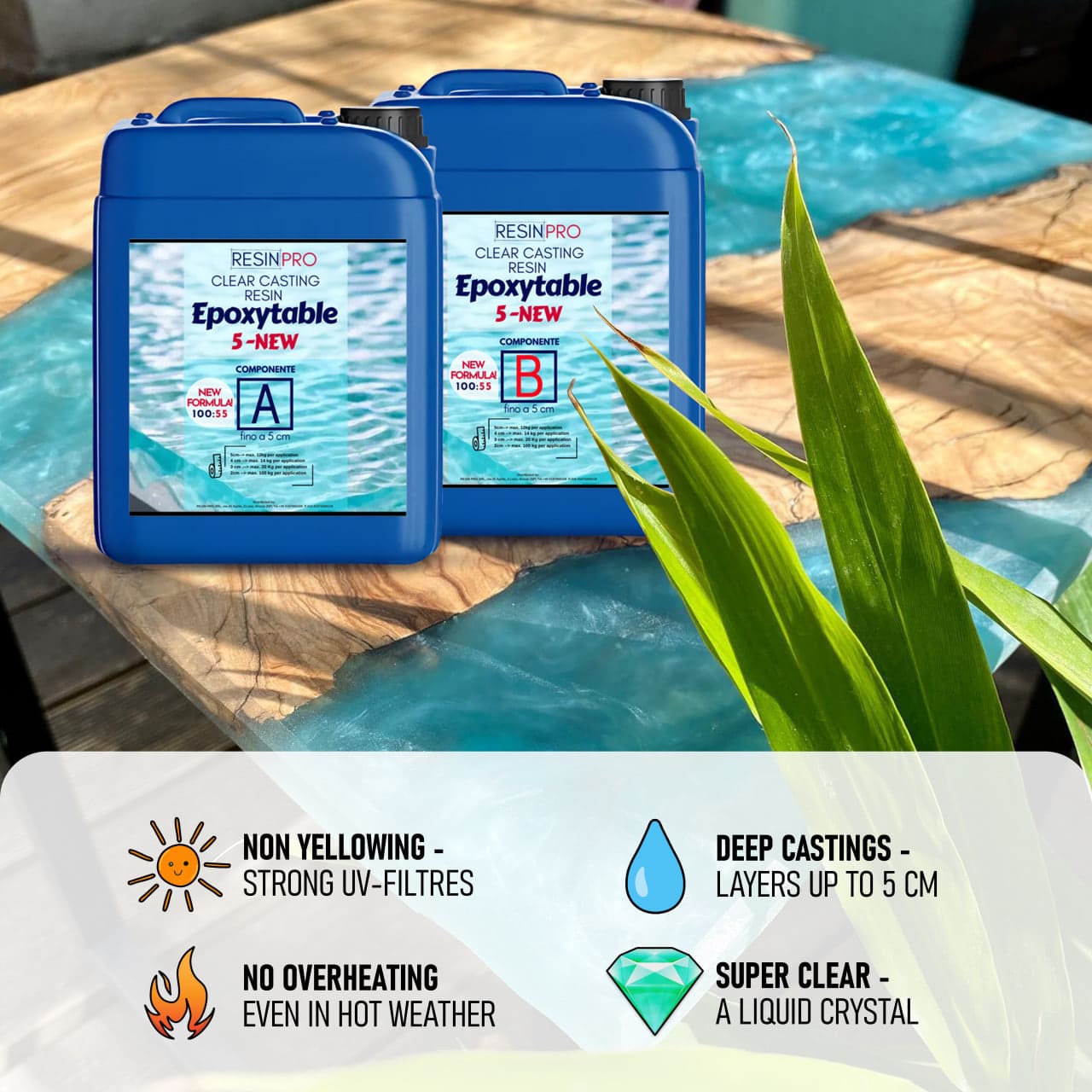
- "EpoxyTable 5-Five" – Deep Pour Epoxy Resin for Tables and Large Projects – Up to 5cmPrice range: £16.85 through £1,099.85"EpoxyTable 5-Five" is a deep pour epoxy resin designed for tables and large projects, suitable for up to 5cm thickness.
- “Epoxytable 10-Ten” – Deep Pour Epoxy Resin for Tables, Up to 10cm CastingPrice range: £33.85 through £334.85“Epoxytable 10-Ten” is a low viscosity epoxy resin designed for deep pour casting up to 10cm, suited to table and artistic projects.
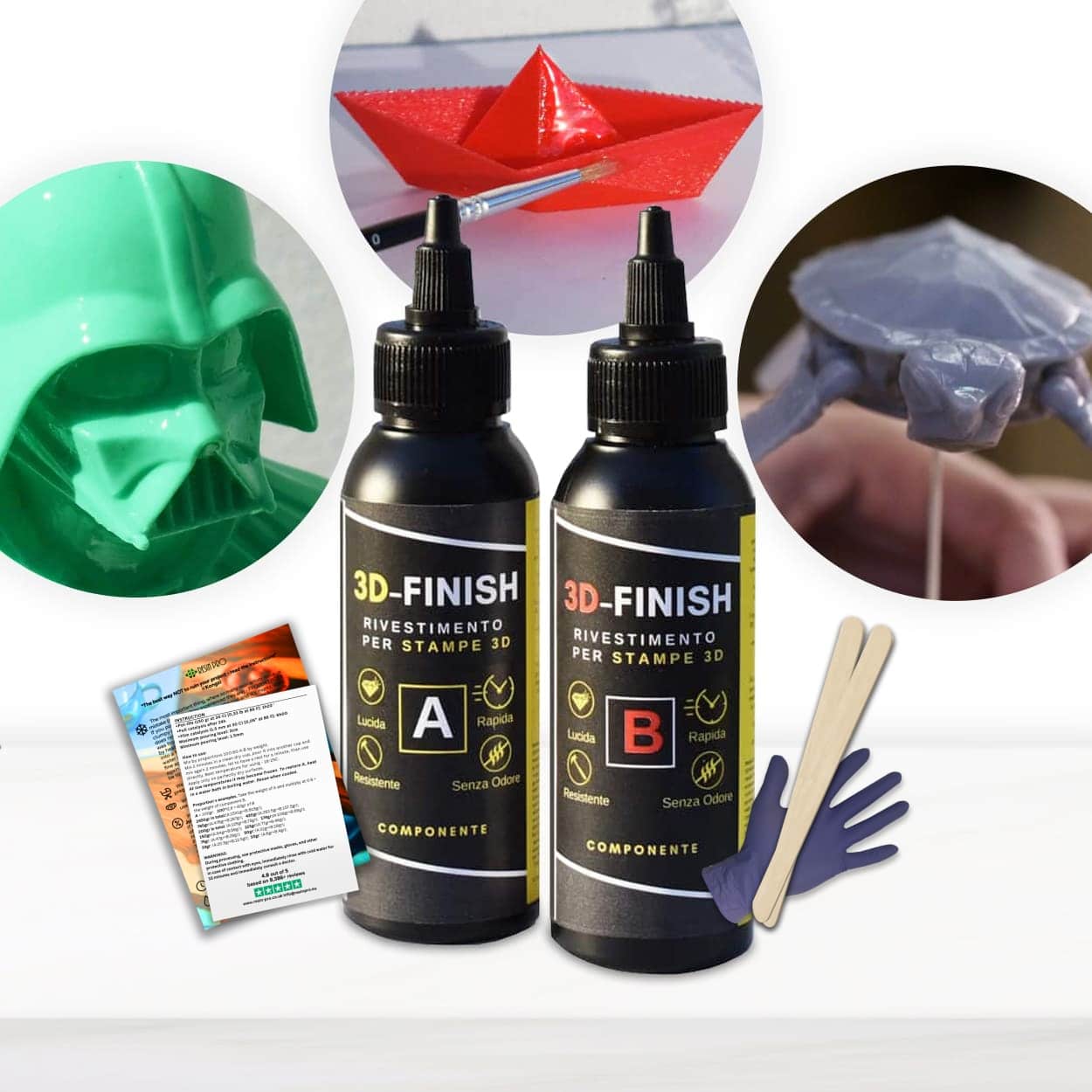 "3D Finish" – Fast Coating Epoxy Resin for 3D PrintsPrice range: £12.85 through £18.853D Finish Fast Coating Epoxy Resin for 3D Prints offers a non-drip coating that preserves detail and improves 3D print finish in line with the theme.
 "Art Pro" – Clear Epoxy Resin for Artists and Surface CoatingPrice range: £31.15 through £388.85Art Pro clear epoxy resin offers durable, high-gloss finishes suitable for artistic coatings and surface projects.
Frequently Asked Questions
Do you need special files for resin work?
General metal or wood files work well for most resin projects, but precision needle files give superior control on small or detailed pieces.
Why file and sand resin after curing?
Filing and sanding removes imperfections, smooths edges, and preps the surface for painting or polishing. Always let resin cure fully before starting.
Is wet or dry sanding better for resin?
Wet sanding is preferred for resin because it minimises dust, helps prevent overheating, and produces a smoother finish.
How do I avoid cloudiness when filing resin?
Sand progressively from coarse to fine grit, keep the surface clean, and finish with a good polish to restore clarity.
Can I polish resin after filing?
Yes, polishing after progressive sanding will enhance gloss and make the surface clear and reflective.
What grit sandpaper is best for resin filing?
Begin with 120–240 grit for shaping, then move through 320, 600, and up to 2000 grit for fine smoothing and polishing.