 Free shipping on orders over £29,85
  Shipping Tracking!


 Google
 Facebook
how to work with resin for jewellery
Step-by-step guide to crafting resin jewellery at home


Discover the art of creating your own beautiful resin jewellery. Whether you wish to design sparkling pendants, unique statement rings, or thoughtful handmade gifts, this guide will walk you through the essential steps of working with resin for jewellery. Perfect for beginners and keen crafters alike, you’ll learn how to select your moulds, measure and mix resin, pour and decorate with confidence, and achieve a flawless finish on every piece.
What You’ll Need
- “Evershine Collection” – Artisan Jewellery Epoxy Resin Kit with 100+ Accessories for a complete beginner-friendly toolkit
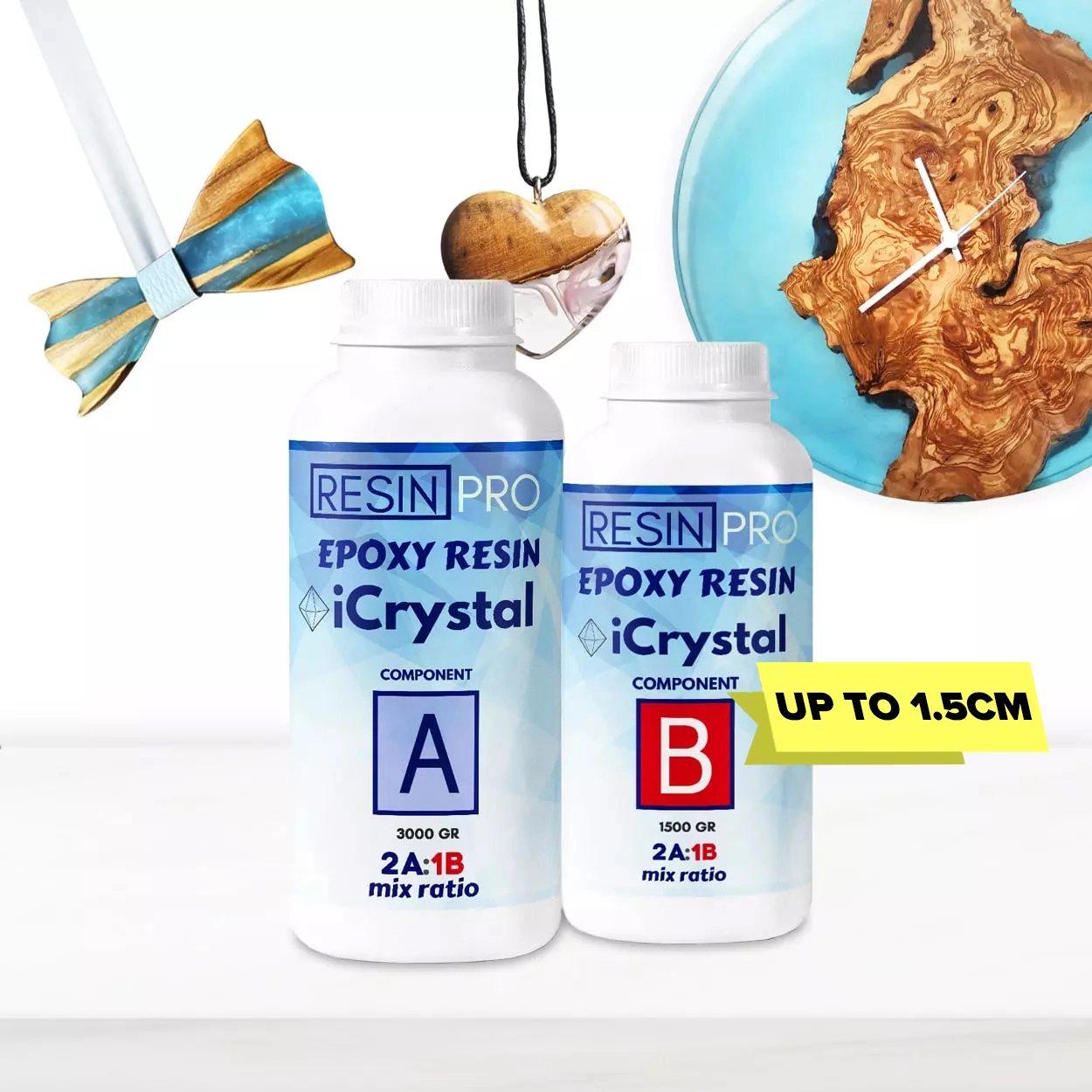
- “Icrystal” – Clear Epoxy Resin – Odourless Formula – Up to 1.5cm for crystal-clear results and odourless application
- “One-2-One” – Epoxy Resin for Handcraft, 1:1 Mixing Ratio for easy use in smaller batches
- Set of 10 Open Metal Bezels for Jewellery Making and UV Resin Projects if you plan on making pendant-style or open-backed pieces
- Jewellery moulds (silicone is recommended for easy release)
- Protective gloves and mixing tools (usually included in good starter kits)
- Accessories like findings, dried flowers or pigments as desired

Essential Resin Jewellery Tools in Action
See how the right selection of accessories, moulds, and clear resins streamlines your resin jewellery projects. From precision mixing to creative embellishments, each tool plays a vital role in achieving professional-quality pieces.

Step 1: Prepare Your Workspace and Materials
Always wear gloves and work in a ventilated space as resins can be sticky and sensitive to dust. Cover your work area with protective sheets to prevent spills and lay out all your tools before starting. Double-check your chosen moulds are clean and dry, as water or dust can create imperfections on the finished jewellery. Set your bezels or silicone moulds on a flat surface for best results.
If using open bezels, place them on a non-stick mat or tape the back with clear tape to prevent leakage. Arrange decorative inclusions, such as dried flowers or pigments, within reach so you don’t need to pause mid-creation.
Step 2: Measure and Mix Your Resin
Read the instructions for your chosen epoxy carefully. Accurate mixing is key to a flawless, bubble-free finish. For example, the “One-2-One” – Epoxy Resin for Handcraft, 1:1 Mixing Ratio offers an easy 1:1 by volume formula, making it simple for beginners to get started without confusion. Pour the required amounts of resin and hardener into your mixing cup, being careful to match the manufacturer’s recommended ratio exactly.
Mix thoroughly for at least two to three minutes, scraping the sides and bottom of your container. Slow, gentle mixing helps minimise air bubbles. Use a disposable stick or spatula. If you wish to add colour, mix in pigment, mica powder or tiny decorative items after the resin turns clear and uniform. For kits like the “Evershine Collection” – Artisan Jewellery Epoxy Resin Kit with 100+ Accessories, you’ll often find a range of pigments and decorative elements included in the box.
Step 3: Pour and Decorate Your Jewellery Pieces
Work slowly and precisely when pouring resin into your moulds or bezels, filling them to just below the edge to reduce overflow and allow for any expansion. Start with a thin layer if you plan on embedding flowers or glitter, then use tweezers to position your inclusions before covering them with another resin layer.
For open bezel designs, the Set of 10 Open Metal Bezels for Jewellery Making and UV Resin Projects is ideal for creative pendant and charm work—just make sure you’ve sealed the underside well. Pop any surface bubbles with a toothpick or gentle use of a heat tool, taking care not to over-heat or scorch the resin. Let the filled moulds rest in a dust-free environment to set.

Step 4: Curing, Demoulding and Finishing
Allow the resin to cure according to the product instructions—usually 24–48 hours for most jewellery-grade epoxies. Allow full curing time before demoulding or sanding to avoid warping or cloudiness. Once hardened, gently flex the mould or remove any tape from bezels and lift out your jewellery pieces. If edges are sharp or uneven, carefully sand them with fine-grit sandpaper or use a craft knife for clean-up.
Attach findings, earring hooks or chains as needed. For best results, use only fully cured and cleaned pieces to prevent tarnish or attachment issues. If you’ve used a kit like the “Evershine Collection,” you’ll find all essential finishing accessories included, so you can assemble and wear your creations straight away.

Tips for Success and Common Mistakes
Choose a non-toxic, clear resin suitable for jewellery to ensure comfort and a glassy, resilient finish. Avoid mixing too quickly to keep bubbles at bay. If your pieces are sticky after the curing time, check your mixing ratio and room temperature—undermixing or cold conditions can prevent full curing. Protect your moulds from dust and humidity, and always follow safety instructions.
Troubleshooting tip: If you spot surface imperfections, a quick buff or dome of clear resin can restore gloss. Patience, cleanliness and attention to measurement will guarantee beautifully crafted resin jewellery every time.
Perfect Your Jewellery Finishing Techniques
Unlock brilliant clarity and flawless edges for your resin jewellery by mastering detailed curing and gentle sanding. Careful final steps ensure your pieces shine and remain durable for everyday enjoyment.
- "Evershine Collection" – Artisan Jewellery Epoxy Resin Kit with 100+ Accessories£20.85This kit provides a complete resin jewellery workshop including clear epoxy resin and over 100 accessories for crafting jewellery and gifts.
- "Icrystal" – Clear Epoxy Resin – Odourless Formula – Up to 1.5cmPrice range: £11.65 through £954.85"Icrystal" Clear Epoxy Resin offers good quality and easy use with perfect transparency, suitable for jewellery projects.
 Set of 10 Open Metal Bezels for Jewellery Making and UV Resin ProjectsOriginal price was: £8.45.£6.85Current price is: £6.85.Set of 10 open metal bezels suitable for jewellery making and compatible with UV resin projects in festive shapes.
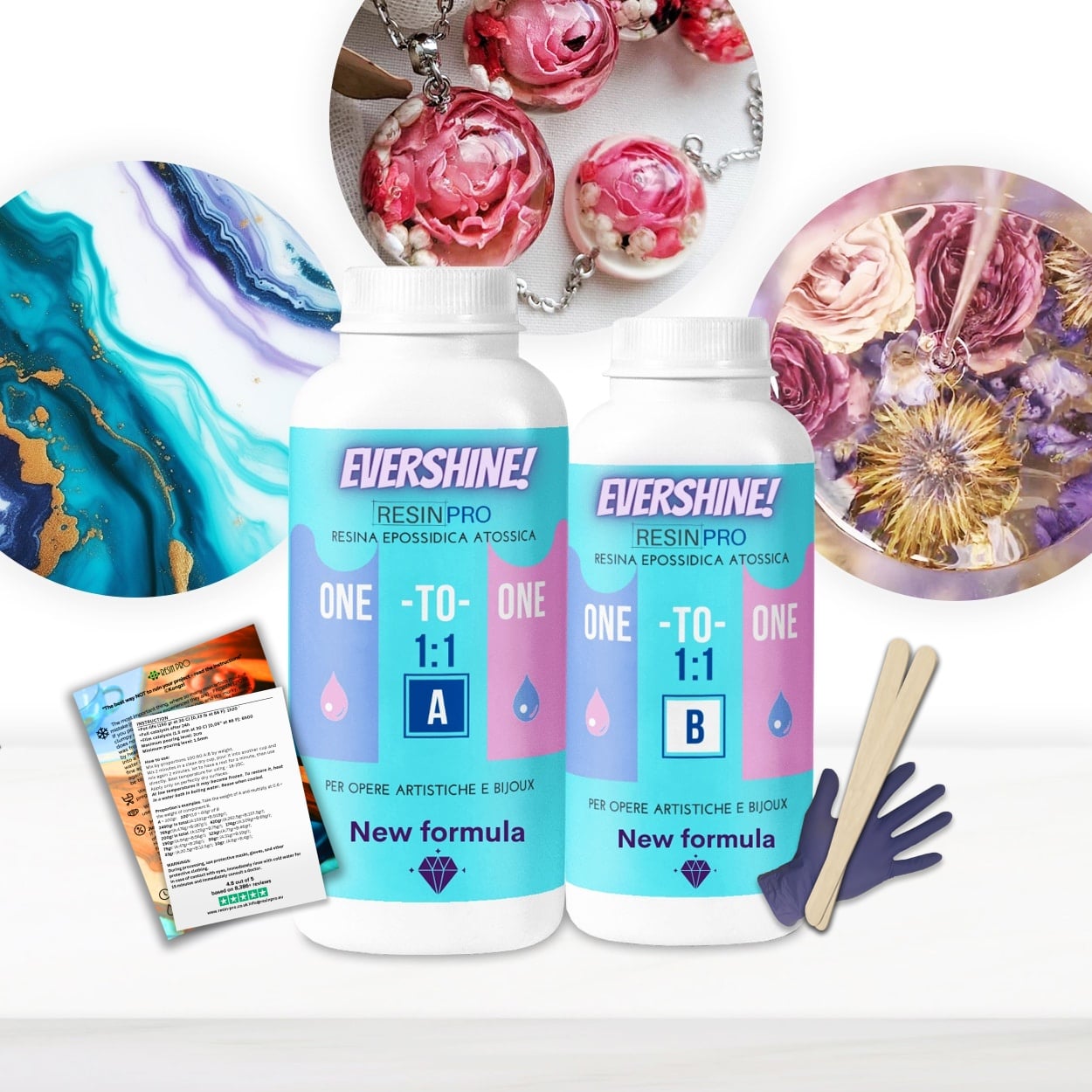 "One-2-One" – Epoxy Resin for Handcraft, 1:1 Mixing RatioPrice range: £14.85 through £56.85"One-2-One" epoxy resin is a medium viscosity, non-toxic resin designed for jewellery making with an easy 1:1 volume mixing ratio.
Frequently Asked Questions
How do I avoid bubbles when mixing epoxy resin for jewellery?
Mix the resin and hardener slowly and consistently, scraping the sides of the container, to reduce bubbles. Allow mixed resin to sit briefly before pouring to let bubbles rise and pop.
My resin jewellery feels sticky after curing. What went wrong?
Sticky resin usually results from incorrect mixing ratios or insufficient mixing time. Recheck product instructions and ensure your workspace is warm enough.
Should I use open bezels or silicone moulds for resin jewellery?
Open bezels are perfect for flat, decorative pendants and charms, while silicone moulds allow for three-dimensional or intricate shapes. Choose based on your project style.
What is the best way to colour resin for jewellery?
Use resin-compatible pigments, mica powders or dyes. Add small amounts at a time and mix thoroughly to avoid streaks and clumps.
What are the safety precautions for working with resin?
Always wear gloves, work in a well-ventilated space and avoid skin contact. Clean up spills immediately, and keep food and drinks away from your workspace.
How long should I leave resin to cure before handling?
Most jewellery-grade epoxy resins require 24–48 hours to cure fully. Check manufacturer instructions for optimal results before demoulding or sanding.
Can I embed dried flowers or glitter in resin jewellery?
Yes, as long as the inclusions are dry. Layer them between pours and ensure they’re fully covered with resin for a secure, glossy finish.