 Free shipping on orders over £29,85
  Shipping Tracking!


 Google
 Facebook
how to file resin rings
Achieve perfectly smooth resin rings and eliminate sharp edges


Filing resin rings is essential for transforming freshly cast rings into comfortable, attractive pieces of jewellery. This guide walks you through filing techniques that ensure smooth, flawless rings while minimising the risk of scratching or damaging your work. Ideal for makers seeking professional results, these steps cover everything you need from initial shaping through to the perfect glossy finish.
What You’ll Need
- “Evershine Collection” – Artisan Jewellery Epoxy Resin Kit with 100+ Accessories – for those desiring a full set of ring-crafting tools and resin
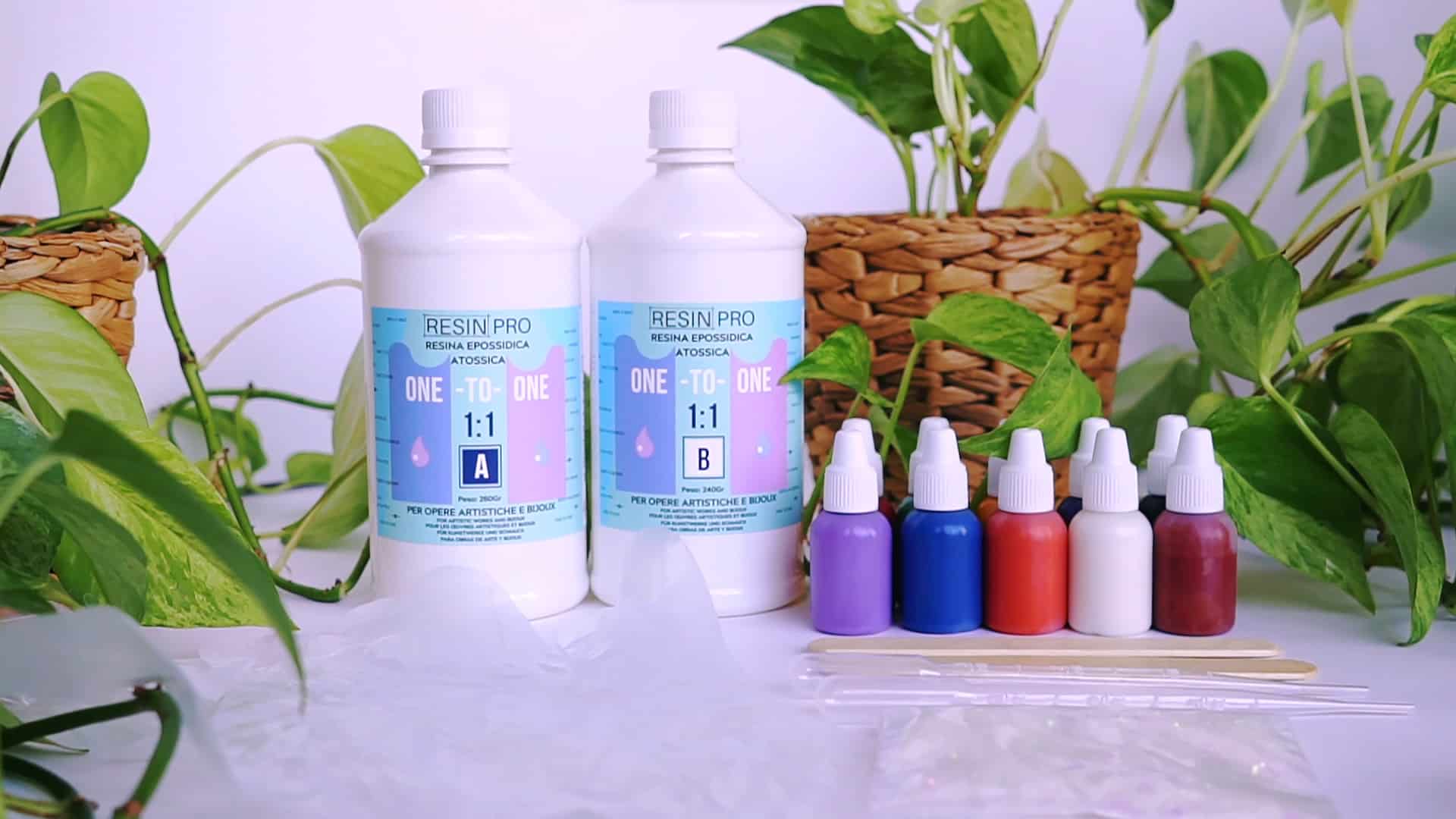
- “One-2-One” – Epoxy Resin for Handcraft, 1:1 Mixing Ratio – ideal for basic ring-making projects
- “Trasparente” – Multipurpose Clear Epoxy Resin for Casting – Up to 2cm – suitable for larger or more intricate ring casts
- “Icrystal” – Clear Epoxy Resin – Odourless Formula – Up to 1.5cm – perfect for clear, scratch-resistant rings
- Needle files or fine-grit sandpaper (400–1200 grit)
- Soft cloth and water for clean-up
- Optional: Mask for dust protection

Essential Tools and Workspace Setup
Set up your work area with good lighting and organise your tools before starting. Needle files and sandpaper of various grits will help you achieve neat, safe edges on your resin rings.
Step 1: Assess and Prepare Your Resin Rings
Once your resin rings have fully cured, carefully demould them and inspect the surfaces and edges for any imperfections, sharp seams, or rough patches. It’s best to do this in good lighting to spot minute flaws. Remove any obvious lumps or sprues with small clippers or a craft blade before moving on to filing. Make sure the rings are completely hardened—filing too soon may warp or gouge the resin.
Clean your workspace and wear a dust mask if desired, especially if you plan to sand a lot of resin at once. Preparing now helps ensure the filing process is straightforward and mess-free.
Step 2: File Down the Rough Edges
Begin the shaping process using fine needle files or 400–600 grit sandpaper. Start with gentle strokes, focusing on uneven or sharp edges, especially around the inner circumference. Use light pressure and let the tool do the work to avoid over-filing or scratching the ring. Hold the ring securely and move in a circular motion for an even result.
If you used the “Evershine Collection” – Artisan Jewellery Epoxy Resin Kit with 100+ Accessories, you may find specialist tools such as micro-files or a mini precision drill especially handy at this stage. These tools allow you to access tight curves and refine intricate details.
Step 3: Smooth and Refine with Higher Grits
Progress through finer grits of sandpaper, moving from 800 to 1200 grit. Wet sanding is highly recommended as it reduces dust and helps achieve a consistent finish. Dip your sandpaper in water and gently sand all surfaces until smooth to the touch. Rotate the ring often to ensure complete coverage and consistent smoothing of all areas.
Avoid applying too much pressure, which can create flat spots or alter the shape of your ring. Instead, patience and continual checking are key for the best results.
Step 4: Clean and Polish for a Brilliant Finish
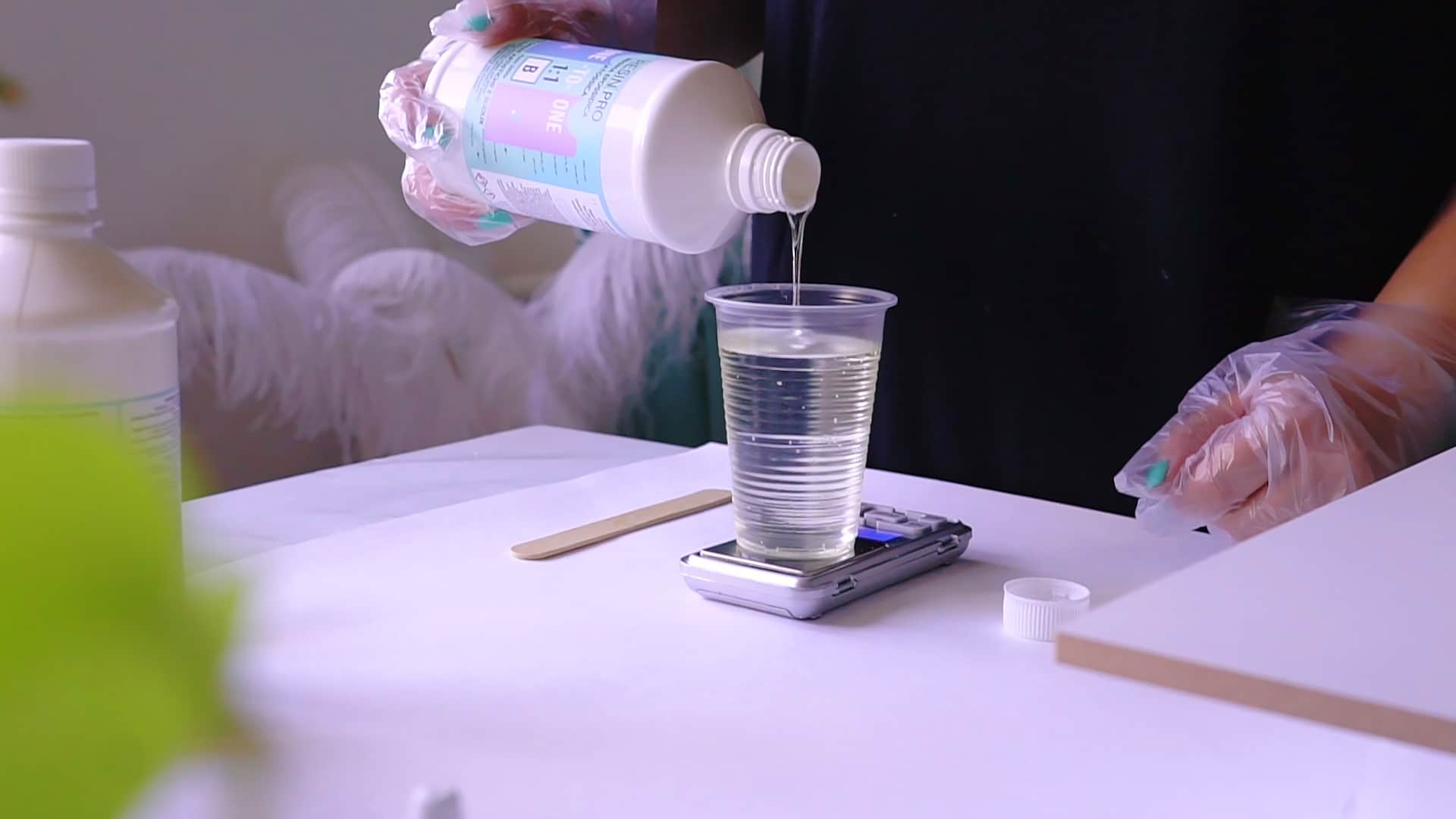
Once filing and sanding are complete, rinse the ring thoroughly in lukewarm water to remove all dust particles. Dry with a soft, lint-free cloth. For added gloss, polish the ring with a polishing compound or a microfibre cloth, working in small circles until the surface shines. If deeper scratches are visible, revisit the previous sanding steps briefly before polishing.
Your resin ring should now be smooth, glossy, and comfortable to wear. Always ensure rings are fully clean before wearing or gifting to prevent skin irritation.

Tips and Common Mistakes to Avoid
- Choose the right filing tools for resin: Metal files should be fine and sandpaper grits above 400 are safest for resin’s relatively soft surface.
- Work gently and gradually: Aggressive filing can create gouges that are difficult to remove.
- Check progress frequently: Stop often to feel the ring’s surface for missed rough spots or developing flat areas.
- Clean your rings thoroughly: Any sanding dust left can dull the polish or irritate skin.
- Don’t rush the process: Taking your time ensures the most professional-looking result every time.
Finishing Touches for a Professional Look
After filing, gentle sanding and careful polishing make all the difference. Take your time with each stage to achieve rings that look professionally made.

- "Evershine Collection" – Artisan Jewellery Epoxy Resin Kit with 100+ Accessories£20.85"Evershine Collection" offers a complete resin jewellery kit with clear 1:1 epoxy and accessories for creative craft projects.
- "One-2-One" – Epoxy Resin for Handcraft, 1:1 Mixing RatioPrice range: £14.85 through £56.85"One-2-One" epoxy resin offers a clear, glossy finish with an easy 1:1 mixing ratio, suitable for crafting including jewellery and decorative…
 "Trasparente" – Multipurpose Clear Epoxy Resin for Casting – Up to 2cmPrice range: £8.45 through £948.85"Trasparente" is a clear epoxy resin suitable for detailed castings and table projects, offering a smooth, glossy finish for crafts and woodworking.
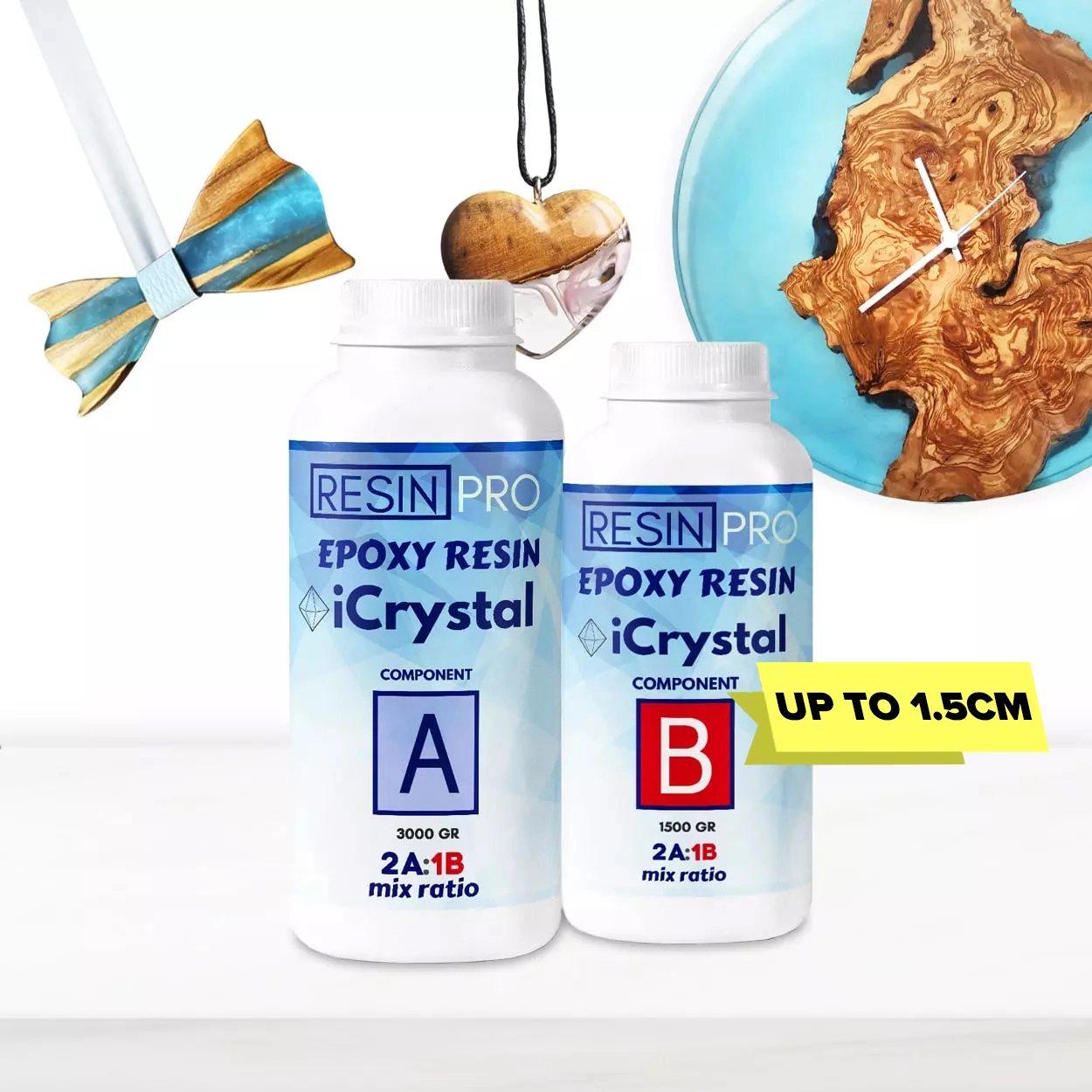 "Icrystal" – Clear Epoxy Resin – Odourless Formula – Up to 1.5cmPrice range: £11.65 through £954.85"Icrystal" is a transparent epoxy resin with high scratch resistance, suitable for crafting under the theme how to file resin rings.
Frequently Asked Questions
What is the best way to sand resin rings for smoothness?
Start with fine-grit sandpaper and use wet sanding to reduce scratches. Work gradually through higher grits for a flawless result.
How can I avoid scratching my resin rings while filing?
Always use fine files and sandpaper, avoid excessive pressure, and check progress often to prevent unwanted scratches.
When should I start filing resin rings after curing?
Wait until the resin is fully cured and hard before filing to avoid warping or gouging the shape.
Which tools are best for filing resin jewellery rings?
Fine needle files and high-grit sandpaper are ideal for smoothing resin jewellery without damaging it.
How do I polish resin rings after filing?
Use a microfibre cloth or polishing compound in circular motions for a brilliant, glossy shine.
Should I wet-sand resin jewellery?
Wet sanding is recommended for resin jewellery as it minimises airborne dust and produces a smoother finish.