 Free shipping on orders over £29,85
  Shipping Tracking!


 Google
 Facebook
← Back to How to polish ELLD resin?
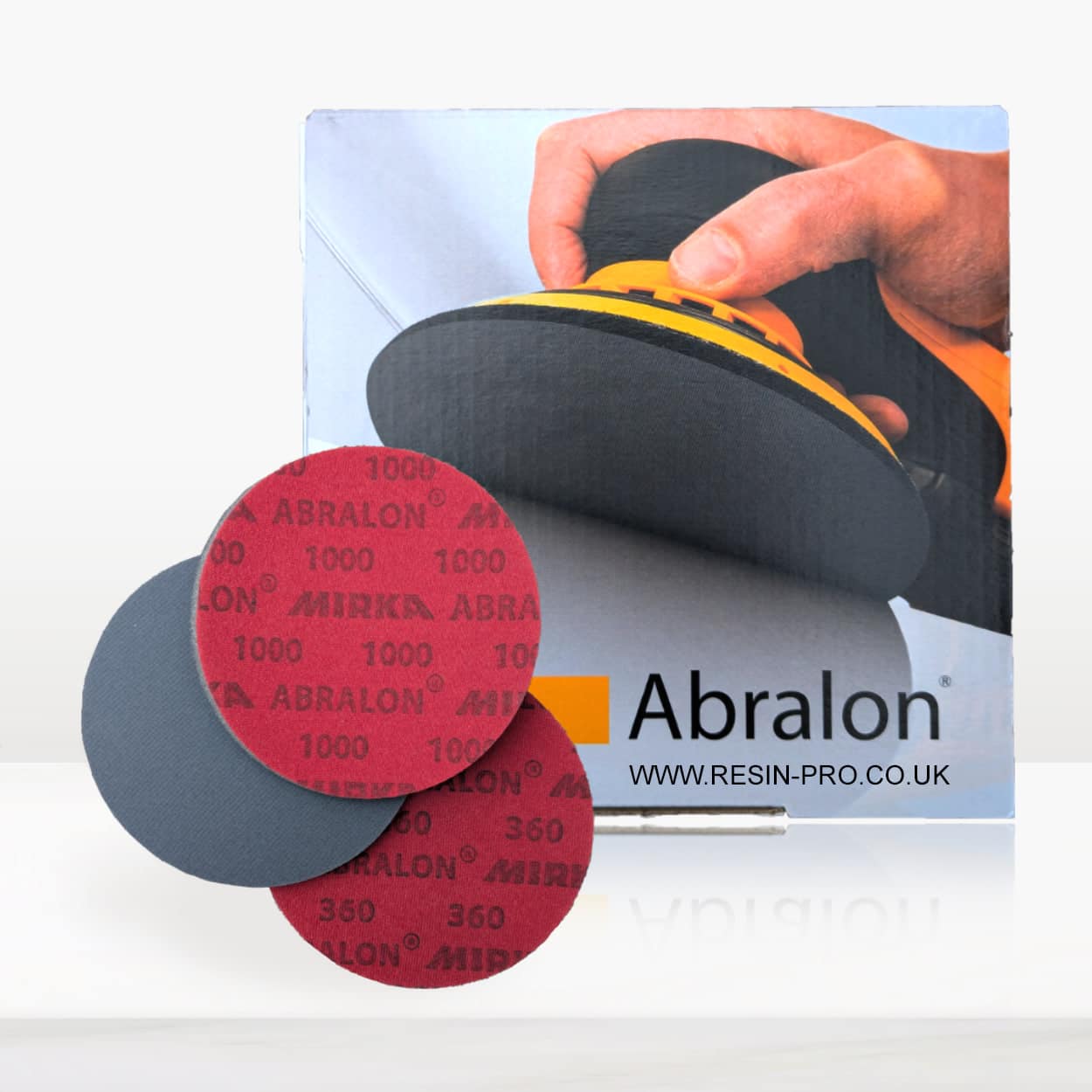
Proper sanding is crucial when preparing ELLD resin for polishing, as it determines the final clarity and smoothness of your project. Knowing the right techniques and tools makes a visible difference in the end result.
Step-by-Step Sanding for ELLD Resin
Begin with a coarser grit—360 or 400—especially if the resin surface has significant unevenness or imperfections. Progress gradually through finer grits such as 800, 1500, and up to 4000. This stepwise approach helps remove deeper scratches and achieves a consistently smooth finish without leaving large sanding marks.
- Sand evenly with gentle pressure
- Wipe the surface between grit changes to check progress
- Continue up to the finest grit to prepare for polishing
Why Wet Sanding is Recommended
Wet sanding significantly reduces the amount of dust produced and helps to prevent deep scratches, making it ideal for resin projects. Simply dampen your sanding pad or the surface with clean water and maintain this moisture as you sand. Wet sanding promotes a clearer finish and can also extend the lifespan of your abrasive pads. The “Ebonite Abralon” Sanding Pads are specifically designed for both wet and dry sanding on resin surfaces.
When This Matters
Following a careful sanding routine is especially important before polishing, as skipping grits or sanding too aggressively can result in visible scratches or cloudy finishes on your ELLD resin project. Taking time with the finer stages prepares the surface for high-gloss results with professional resin polish systems.
Related products
Related guides
With the right sanding method, your ELLD resin will be perfectly primed for a flawless polish. For a complete guide to resin finishing, explore our main advice on how to polish ELLD resin.