 Free shipping on orders over £29,85
  Shipping Tracking!


 Google
 Facebook
← Back to How to polish ELLD resin?
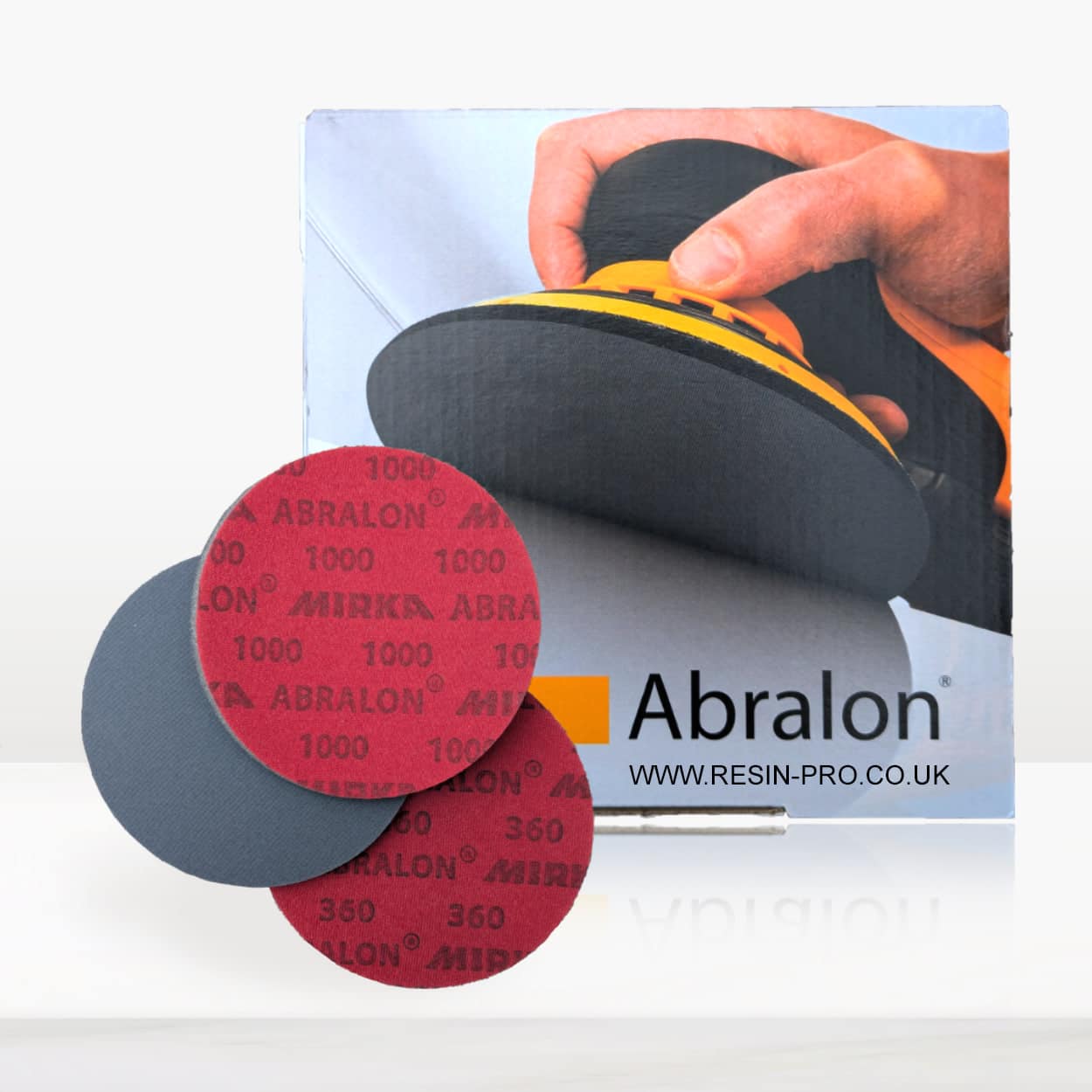
Choosing the right polishing pads makes all the difference when finishing ELLD resin surfaces. The right tool brings out a flawless gloss, while the wrong pad risks dullness or scratches. Here’s what to look for when selecting pads for your resin projects.
Opt for Foam-Backed Sanding Pads
Foam-backed sanding pads, such as the “Ebonite Abralon” range, are ideal for ELLD resin. These pads offer a cushioned layer that conforms to slight curves or edges, ensuring even pressure and lower risk of introducing scratches. They come in a variety of grits, so you can start with coarser grades to remove imperfections and progress to finer pads for a silky, uniform finish.
Pad Grit and Technique Matter
For optimal results, work through a series of grits—begin with a medium grit and finish with a fine one, adjusting based on the initial surface quality. Pads with a grit rating from 360 up to 4000 allow for controlled, gradual abrasion. Always avoid using hard or rough pads not designed for resin, as these may leave marks or gouges that are difficult to remove.
When This Matters: Achieving a Glossy Finish
Picking the right pad is particularly important for pieces that will be displayed or handled often. Whether you’re making jewellery, tabletops, or art, using dedicated resin sanding pads makes hand and machine polishing much more effective—and helps prepare the surface for a final buff with a resin polish like Epoxy Polish.
Related products
Related guides
Choosing purpose-made, foam-backed sanding pads is essential for a professional finish on your ELLD resin projects. For a full step-by-step guide and more polishing tips, see our hub on How to polish ELLD resin?.