 Free shipping on orders over £29,85
  Shipping Tracking!


 Google
 Facebook
How do you polish matte epoxy resin?
Step-by-step guide to transform matte resin into glossy brilliance


Polishing matte epoxy resin can restore vibrant shine to your artwork, countertops, tables, and more. This guide takes you through every step, from preparing your surface to achieving a refined, glossy finish. Whether you are reviving a faded piece or looking to elevate a new project, these techniques ensure a professional result every time.
What You’ll Need
- “Ebonite Abralon” – Sanding Pads 360-4000 Grit for Resin and Wood: Grit range for every stage of sanding, ensuring a flawless surface.
- “Epoxy Polish” – Epoxy Resin Polishing System: Professional-grade polish to bring back the gloss and remove micro-scratches.
- “Carbon Polish” – Polishing System for Dark and Black Surfaces, 250ml: Specially formulated for black or dark epoxy finishes.
- 1200W Polisher for Sanding and Buffing – Variable Speed, D-Handle: Recommended for larger or intensive jobs.
- Clean, soft lint-free cloths and a spray bottle of water
- Personal protective equipment (PPE): gloves, mask, and eye protection

See Sanding and Polishing in Action
Watch transformation stages as matte epoxy becomes beautifully glossy using the right tools. Techniques shown highlight careful sanding and proper polishing to inspire your workflow. Find more before-and-after project ideas and real user results to guide your progress.

Step 1: Prepare the Surface and Work Safely
Begin by thoroughly cleaning your matte epoxy resin to remove dust, dirt, or oils. Ensure your workspace is well-ventilated and laid out so all tools and materials are within easy reach. Wear protective gloves and a dust mask when sanding epoxy resin. This prevents inhalation of fine particles and keeps your hands safe from abrasive tools and chemicals. If the piece is removable, place it on a stable, non-slip surface to prevent unwanted movement during sanding and polishing.
Step 2: Sand the Resin for a Smooth Base
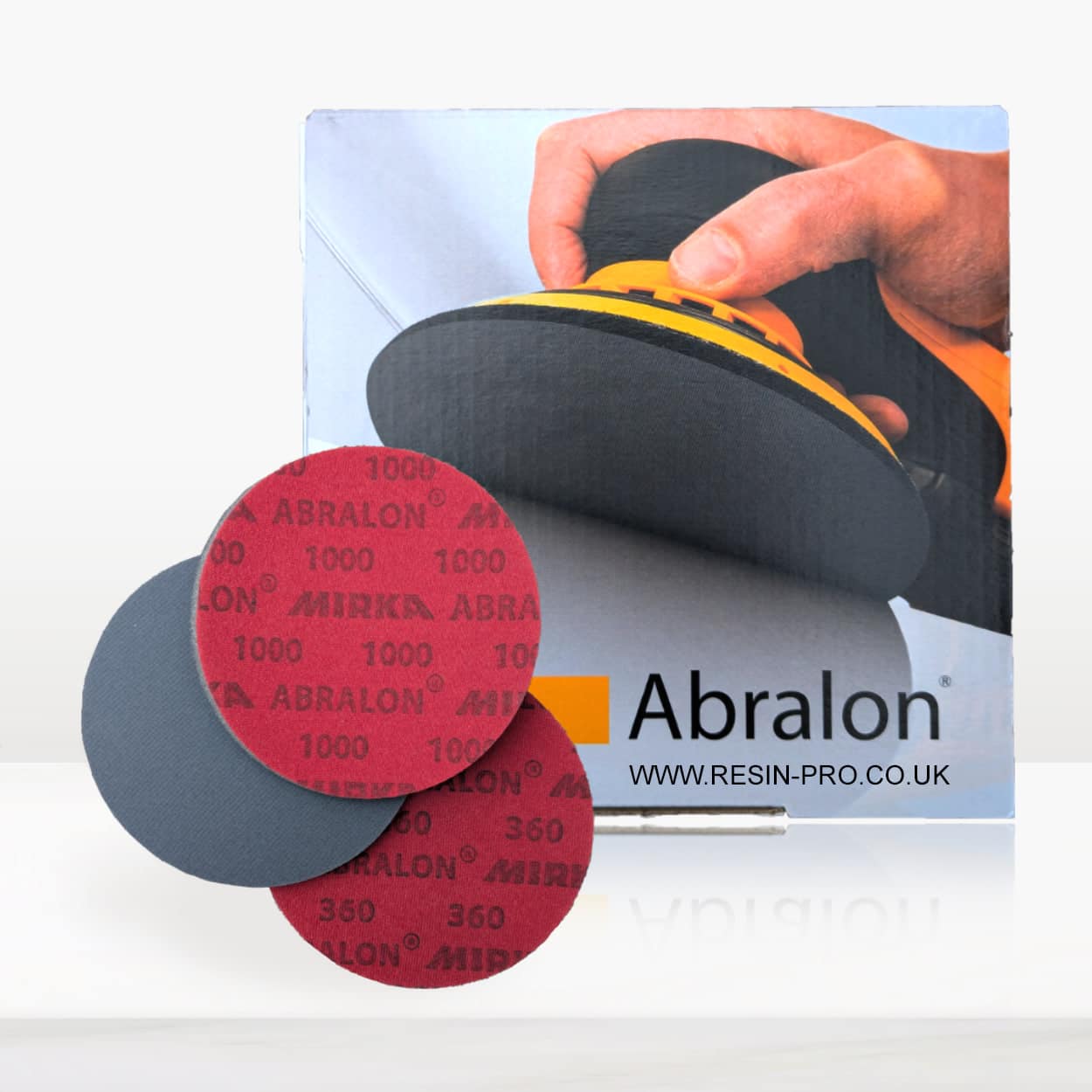
Effective polishing always starts with meticulous sanding. Select suitable sanding pads, such as the “Ebonite Abralon” – Sanding Pads 360-4000 Grit for Resin and Wood, and begin with a coarser grit like 360 to even out imperfections. Progress methodically through the finer grits, moving up gradually until you reach the highest required smoothness, typically finishing around 4000 grit. Sanding may be performed by hand or, for larger pieces, using a machine polisher for consistency and ease. Begin sanding using a coarse grit and progress incrementally. Always sand in a circular pattern, keeping the pad flat and damp with a spray bottle to reduce dust and prevent clogging.
Spend extra time at each grit level to fully remove the previous sanding marks. Inspect the surface after every stage and clean away residue with a damp cloth before moving on.
Step 3: Fine-Polishing with the Appropriate Compound
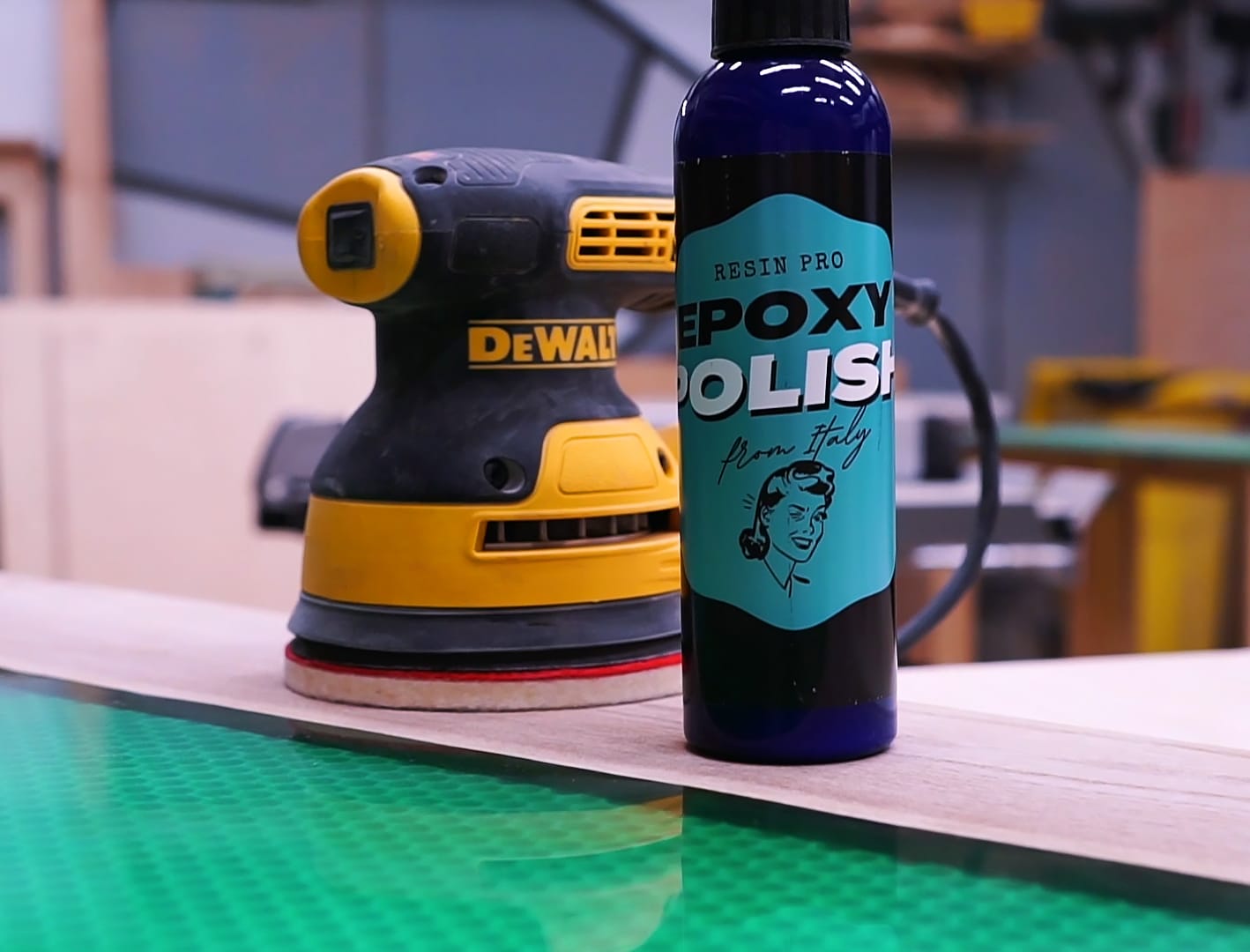
Once your epoxy surface feels perfectly smooth and satin to the touch, you are ready for polishing. Select a polish suited to your finish. For general-purpose clear or coloured resins, use “Epoxy Polish” – Epoxy Resin Polishing System to restore that highly sought-after gloss. For dark or black resins, “Carbon Polish” – Polishing System for Dark and Black Surfaces, 250ml is specially designed to avoid white residue and deliver a mirror-like gleam.
Apply a small amount of the polish to a soft cloth or, for best results, a variable-speed polisher such as the 1200W Polisher for Sanding and Buffing – Variable Speed, D-Handle. Apply gentle, steady pressure when polishing. Work on small areas at a time using slow, overlapping movements. Continue to polish until the desired level of gloss is reached, wiping away excess with a clean, dry cloth between applications.
Step 4: Clean and Protect the Newly Glossy Surface
Once your epoxy resin reaches the desired shine, carefully wipe down the entire area with a fresh, damp cloth to remove any polishing residues. Buff gently using a soft, dry, lint-free cloth to ensure a streak-free finish. Avoid touching or placing items on the surface for several hours to let it settle fully. Keep surfaces and pads clean throughout the process. For ongoing protection, clean the polished epoxy only with mild detergents and soft cloths; abrasive products may dull your brilliant finish.
Expert Tips and Troubleshooting
Polishing can take practice. Choose a polish suitable for your resin’s colour and finish. If you notice swirl marks or cloudiness after polishing, rework those areas with the proper pad and compound until clarity returns. Should the finish remain stubbornly matte, ensure all sanding scratches have been removed before attempting further polishing. Take your time, and do not skip grits or rush the process for the best results.
Common Results: Before and After
Notice the difference between unpolished, matte epoxy and its finished, shining counterpart. Whether for tables, art, or decor, a thorough polishing reveals remarkable clarity and depth in resin work. Explore accessory options for every stage of polishing.

- "Epoxy Polish" – Epoxy Resin Polishing SystemPrice range: £17.85 through £44.85"Epoxy Polish" offers a polishing system designed for epoxy resin surfaces, suitable for achieving a glossy finish with minimal effort.
- "Ebonite Abralon" – Sanding Pads 360-4000 Grit for Resin and Wood£3.95Ebonite Abralon Sanding Pads provide traction and durability for polishing epoxy resin and wood with precision from matte to refined surfaces.
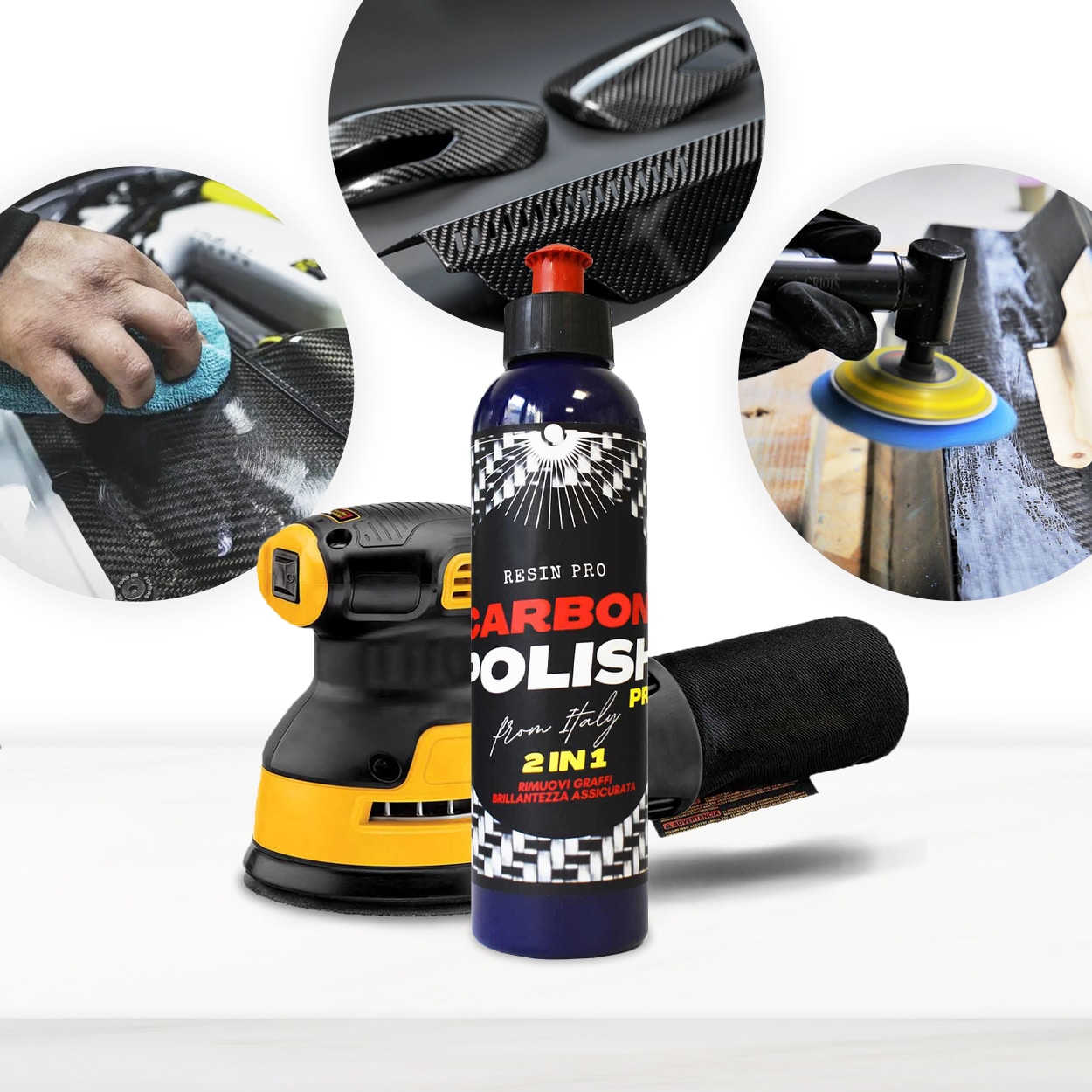 "Carbon Polish" – Polishing System for Dark and Black Surfaces, 250mlPrice range: £17.85 through £44.85Carbon Polish is designed for polishing dark and black surfaces in epoxy resin projects, supporting a neat finish consistent with the matte epoxy…
 1200W Polisher for Sanding and Buffing – Variable Speed, D-Handle£85.95The 1200W Polisher is designed for sanding and polishing epoxy resin with variable speed and easy handling.
Frequently Asked Questions
How do I prepare epoxy resin for polishing?
Begin by cleaning the surface thoroughly and ensuring it is dry and free of dust or oils. Sand gradually up to a fine grit before polishing.
Which sanding grits work best for matte epoxy resin?
Start around 360 grit and progress in stages up to 4000 grit, ensuring each grit fully removes marks from the previous one.
What is the difference between Epoxy Polish and Carbon Polish?
Epoxy Polish suits general resin, while Carbon Polish is formulated for dark and black finishes to prevent white residue.
Can I apply resin polish by hand, or do I need a polisher?
You can polish by hand but using a powered polisher provides a more even and efficient finish, especially for large surfaces.
How can I avoid swirl marks or cloudiness after polishing?
Work in clean, small sections with fresh pads and cloths. Repeat fine sanding if necessary before a final polish.
What is the best way to clean resin after polishing?
Wipe with a clean, damp cloth to remove polish residues, then buff gently with a dry, lint-free cloth to finish.