 Free shipping on orders over £29,85
  Shipping Tracking!


 Google
 Facebook
← Back to How to sand and polish coloured epoxy resin?
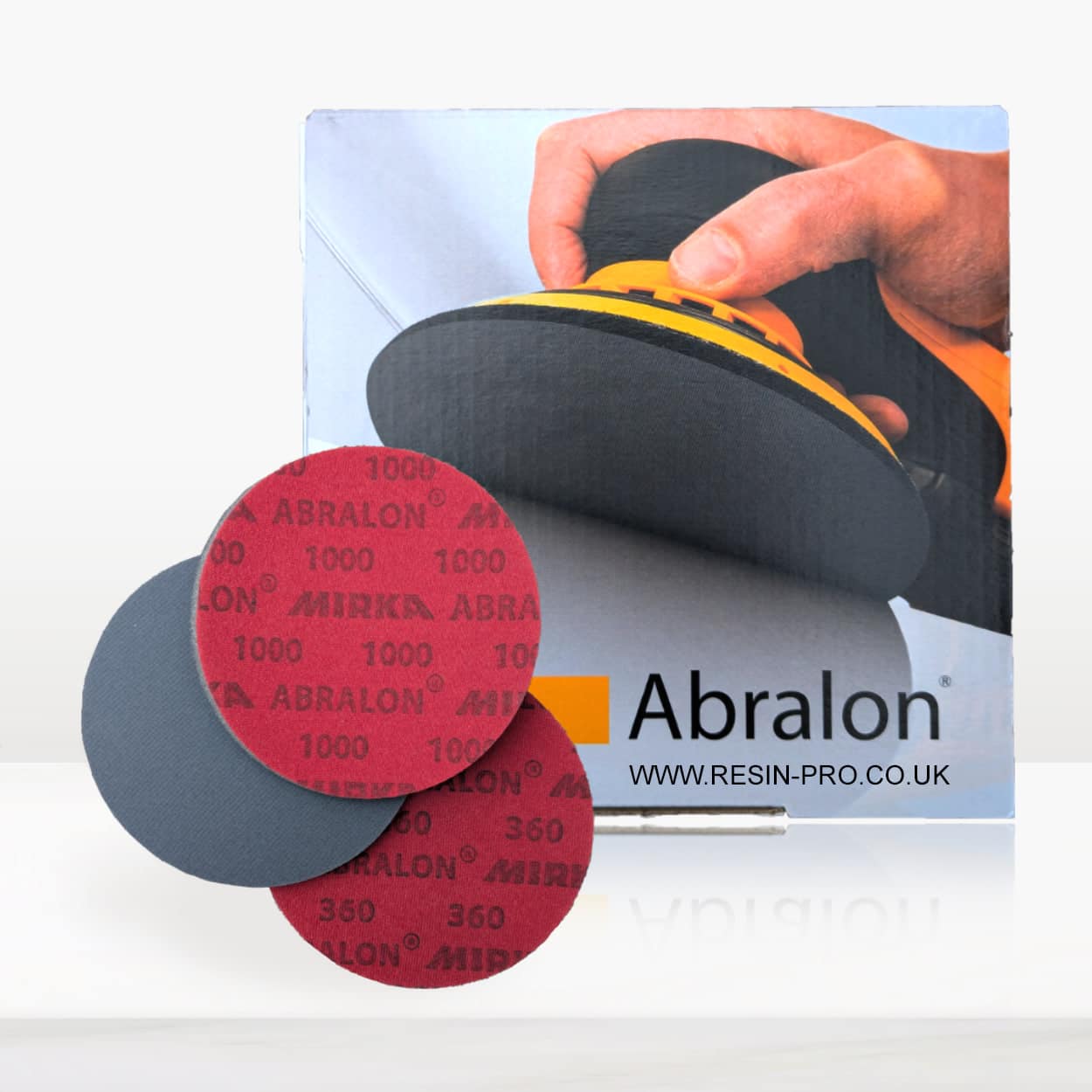
Using the proper progression of sanding grits is the foundation of achieving a smooth or mirror-like finish on coloured epoxy resin. Whether you’re preparing resin art, countertops, or jewellery, understanding grit selection is the first step to professional-looking results.
Choosing the Correct Grit Sequence
Begin sanding with a coarse grit such as p80 or p120 to remove major surface imperfections, drips, or unevenness. For most coloured epoxy resin projects, p80–p120 is ideal for initial shaping. Once the surface is flat, move to medium grits like p180 or p320 to smooth out scratches made by the coarser paper. Fine and ultra-fine grits—like p600, 1000, or up to p4000—are then used to refine the finish and prepare for polishing.
- Coarse: p80, p120
- Medium: p180, p320, p600
- Fine: p1000, p2000, p4000
Maintaining this step-by-step sequence will prevent visible sanding marks and make subsequent polishing more effective.
Tools and Practical Advice
Sanding by hand or with a pad holder ensures better control, especially on smaller pieces. For larger surfaces, sanding discs such as those included in the Dry Sanding Discs Kit 150mm can speed up the process. Wet sanding is often recommended with finer grits from p600 upwards to minimise dust and produce a cleaner finish, though some pads and discs are suitable for both wet and dry sanding. Always ensure each stage removes the scratches from the previous grit before moving on.
When Precision Matters
Careful grit progression is especially important when working with coloured resin, as improper sanding can leave visible streaks or cloudy patches. Polished resin surfaces used for decorative items or displayed pieces demand extra attention—don’t skip grits in the sequence if you want flawless clarity and depth of colour.
Related products
Related guides
Following a structured sanding routine using the right grits for your coloured epoxy resin will make the later polishing stages far simpler, ensuring vibrant, professional results. For a comprehensive process, explore tips and guidance on the main How to sand and polish coloured epoxy resin page.