 Free shipping on orders over £29,85
  Shipping Tracking!


 Google
 Facebook
← Back to How to polish DIY resin
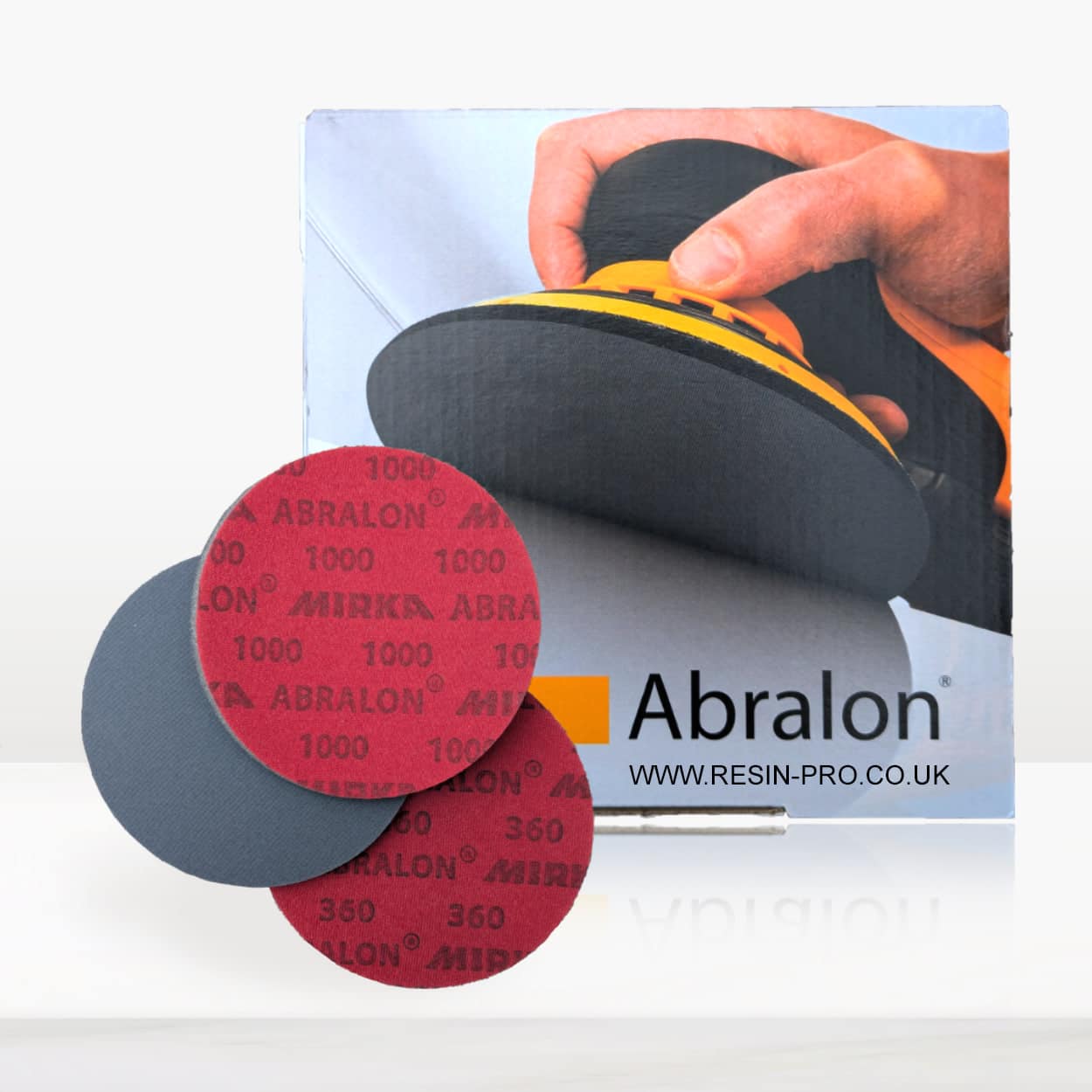
If you’re working on a DIY resin project, it can be tempting to take shortcuts with sanding. But does skipping grits affect your results? Here’s why gradual sanding progression is key to a perfect finish.
Why Grit Progression Matters
Sanding resin isn’t just about smoothing the surface—it’s about removing marks left from the previous sanding step. Each grit removes the scratches from the last, moving from coarse to fine for a uniform surface. If you skip a grit, the scratches from the previous (coarser) stage may remain visible, even after final polishing, leading to a cloudy or streaky appearance.
Recommended Steps for Sanding Resin
- Begin with a lower grit (such as 360 or 400) to remove bumps, ridges, or casting marks.
- Continue through each finer grit—600, 1000, 2000, up to 4000—making sure to fully remove the previous sanding marks before progressing.
- Keep the surface and pads clean and, if possible, use a wet sanding method to reduce dust and heat build-up.
Quality sanding pads, like those from the Ebonite Abralon range, offer precise grit options for full control at each stage of sanding.
When Skipping Grits Might Matter
If you’re aiming for a crystal-clear, glass-like finish—especially on functional or decorative resin pieces—each step in the sanding process is important. Skipping grits can leave visible scratches that are almost impossible to polish out later, even with dedicated products or power polishers.
Related products
Related guides
Taking the time to sand resin with each recommended grit pays off in the final shine and clarity. For more detailed advice on achieving a flawless, glossy result, see our full guide on how to polish DIY resin.