 Free shipping on orders over £29,85
  Shipping Tracking!


 Google
 Facebook
how to polish clear epoxy resin
Step-by-step guide for perfecting and restoring epoxy clarity


Polishing clear epoxy resin is essential for bringing out its beautiful, high-gloss finish and maximising clarity. Whether you have completed a resin river table, jewellery, or small craft, this guide will show you how to safely and effectively polish epoxy surfaces for professional-grade results. No professional experience is needed – just careful technique and the right materials.
What You’ll Need
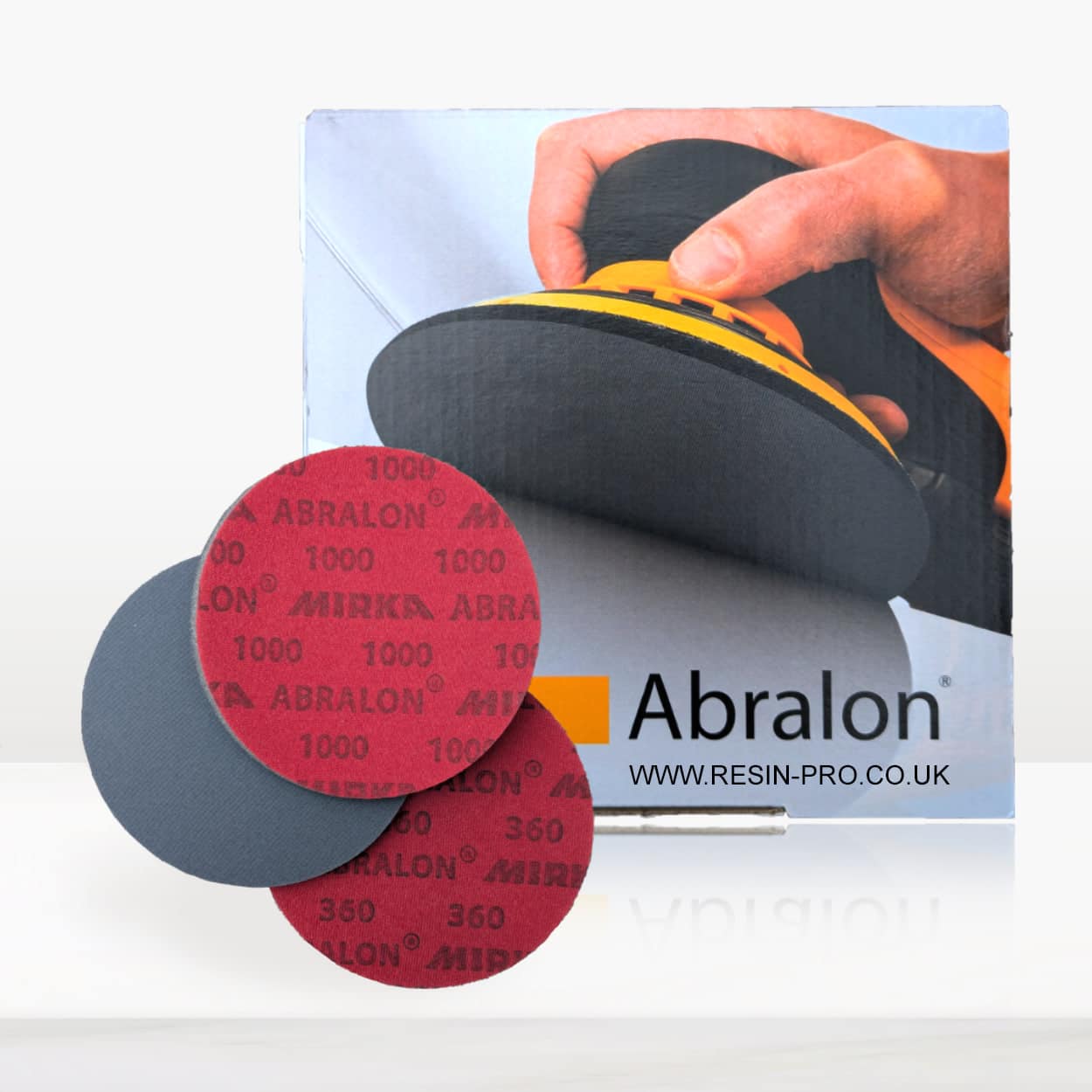
- “Ebonite Abralon” – Sanding Pads 360-4000 Grit for Resin and Wood – for progressive sanding and smoothing out imperfections
- 1200W Polisher for Sanding and Buffing – Variable Speed, D-Handle – optional, but ideal for even, controlled sanding and buffing of larger surfaces
- “Epoxy Polish” – Epoxy Resin Polishing System – polishing cream for final gloss finish
- Microfibre cloths (for cleaning and removing residue)
- Protective gloves and mask (for safety during sanding)
- Container of clean water (for wet sanding)

See the Difference Polishing Makes
Discover the dramatic clarity and shine achieved by following each stage of the polishing process. Even heavily worn or dull resin can regain a remarkable, mirror-like finish with the correct sanding and buffing technique. Applying professional-grade products and using purpose-designed tools can dramatically transform your project.

Step 1: Prepare and Clean the Resin Surface
Start by ensuring your resin piece is fully cured, clean, and free from dust, grease, or fingerprints. Any debris left on the surface can scratch the resin or inhibit a smooth polish. Remove the piece from any mould or formwork, inspect for sharp edges, and use a microfibre cloth to wipe down thoroughly. For particularly dirty items, a gentle wash with mild soap and water followed by full drying is recommended.
Remove dust and debris thoroughly before sanding. Clean workspaces help prevent embedded imperfections and ensure even polishing across the entire resin surface.
Step 2: Sand the Surface Gradually
Begin with a coarse sanding pad, typically around 360 grit, to level out surface irregularities and remove superficial scratches. Apply water to your sanding pad to reduce friction and avoid overheating, which can cloud the resin. Move the pad evenly in a circular or back-and-forth motion, keeping steady but light pressure. As the surface flattens and becomes consistently cloudy, progress through higher grits (600, 1000, up to 4000) for a progressively smoother finish.
If working on a large or flat piece, like a river table or art panel, using the 1200W Polisher for Sanding and Buffing can help maintain an even sanding pattern and reduce manual effort.
Work through finer grit levels for a smoother sheen. Each stage removes scratches from the previous grit, setting the foundation for a flawless polish.
Step 3: Apply Polishing Cream for High Gloss
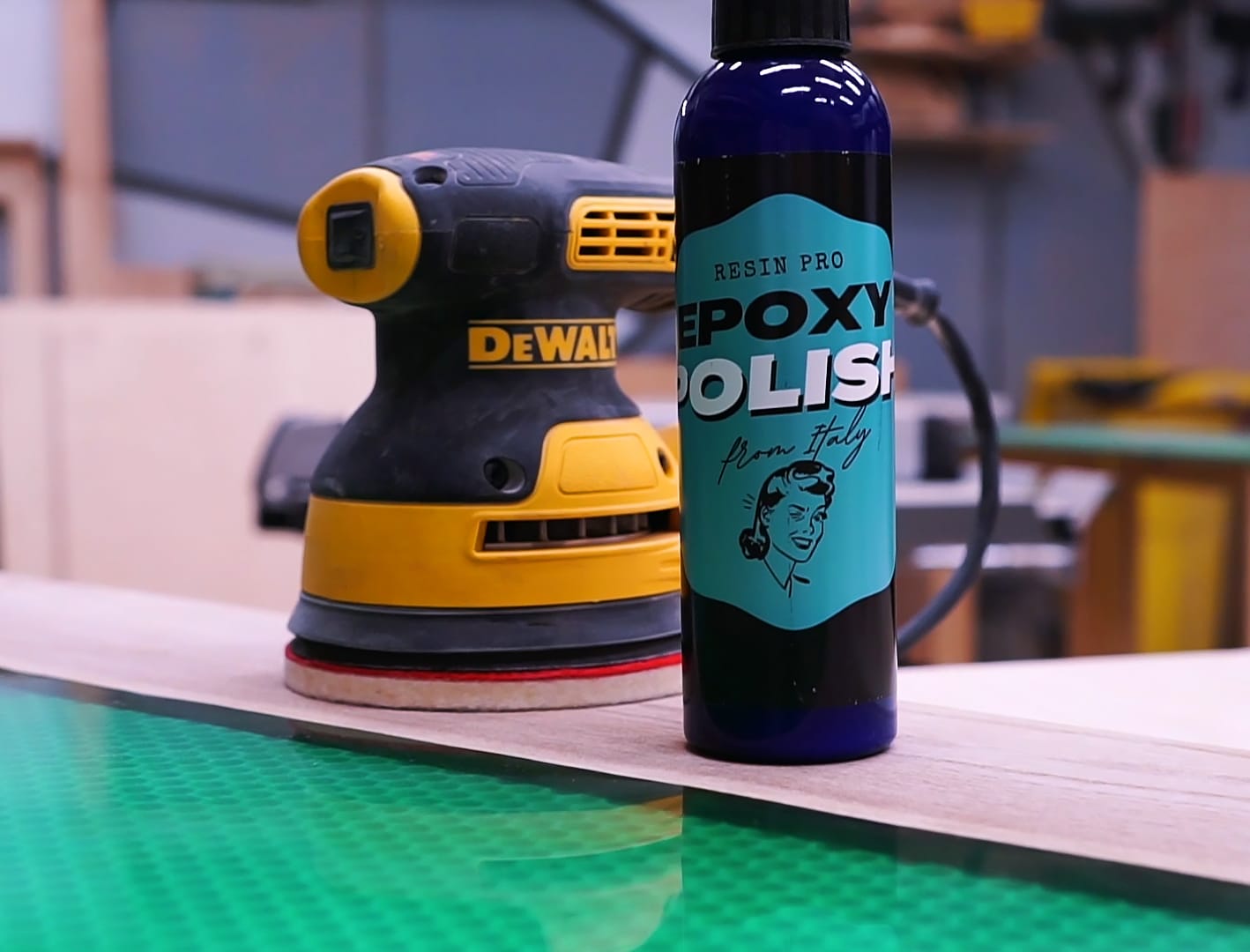
Once the resin is sanded to a satin, uniformly smooth texture, switch to your polishing compound. Apply a small amount of “Epoxy Polish” – Epoxy Resin Polishing System directly onto the clean surface. With a soft buffing pad, hand polisher, or the variable speed polisher at low-to-medium RPM, gently work the cream into the resin using overlapping circular motions. This step will remove any slight haze left by sanding and reveal the resin’s true clarity and depth.
Polish each area evenly, avoiding excessive pressure or speed that could cause streaking or heat build-up. Once a high-gloss finish is visible, buff off any residue with a clean microfibre cloth for lasting brilliance.
Use light, overlapping strokes with polishing cream. Take your time for the best clarity; repeated passes may be needed for deeper shine.
Step 4: Final Touches and Surface Protection
After polishing, inspect your resin for remaining swirl marks or uneven areas. Repeat finer grit sanding and light polishing if necessary. When satisfied, remove dust and polish residue, then allow the piece to fully cure and rest before handling or packaging. For items subject to frequent use, consider applying a specialist resin sealant for extra durability.
Keep surfaces cool to avoid heat damage. Excessive heat during sanding or polishing may cause the surface to become soft or lose its clarity.
Tips and Common Mistakes When Polishing Epoxy Resin
- Always sand and polish in a clean workspace to prevent embedded particles.
- Stay patient with sanding – skipping grit levels can leave visible scratches that are hard to remove later.
- Do not apply excessive pressure with power tools to avoid burning or distorting the resin surface.
- Always wear appropriate personal protective equipment. Fine sanding dust can be an irritant, and cleaning products may be harsh on skin.
Expert Advice for Stunning Epoxy Results
Professional resin artists recommend taking your time with each sanding stage and never skipping steps. The right tools, such as polishing systems and fine sanding pads, make the biggest impact on final clarity and gloss. Always work gently and patiently for results you’ll be proud to show off or sell.

- "Epoxy Polish" – Epoxy Resin Polishing SystemPrice range: £17.85 through £44.85"Epoxy Polish" is a resin polishing system designed to restore a mirror-like finish, suitable for various surfaces including epoxy resin.
- "Ebonite Abralon" – Sanding Pads 360-4000 Grit for Resin and Wood£3.95Ebonite Abralon Sanding Pads offer a range of grits designed for precise sanding on resin and wood surfaces, suitable for detailed finishing.
 1200W Polisher for Sanding and Buffing – Variable Speed, D-Handle£85.95The 1200W Polisher offers variable speed and a sturdy D-handle, suitable for sanding and polishing epoxy resin surfaces.
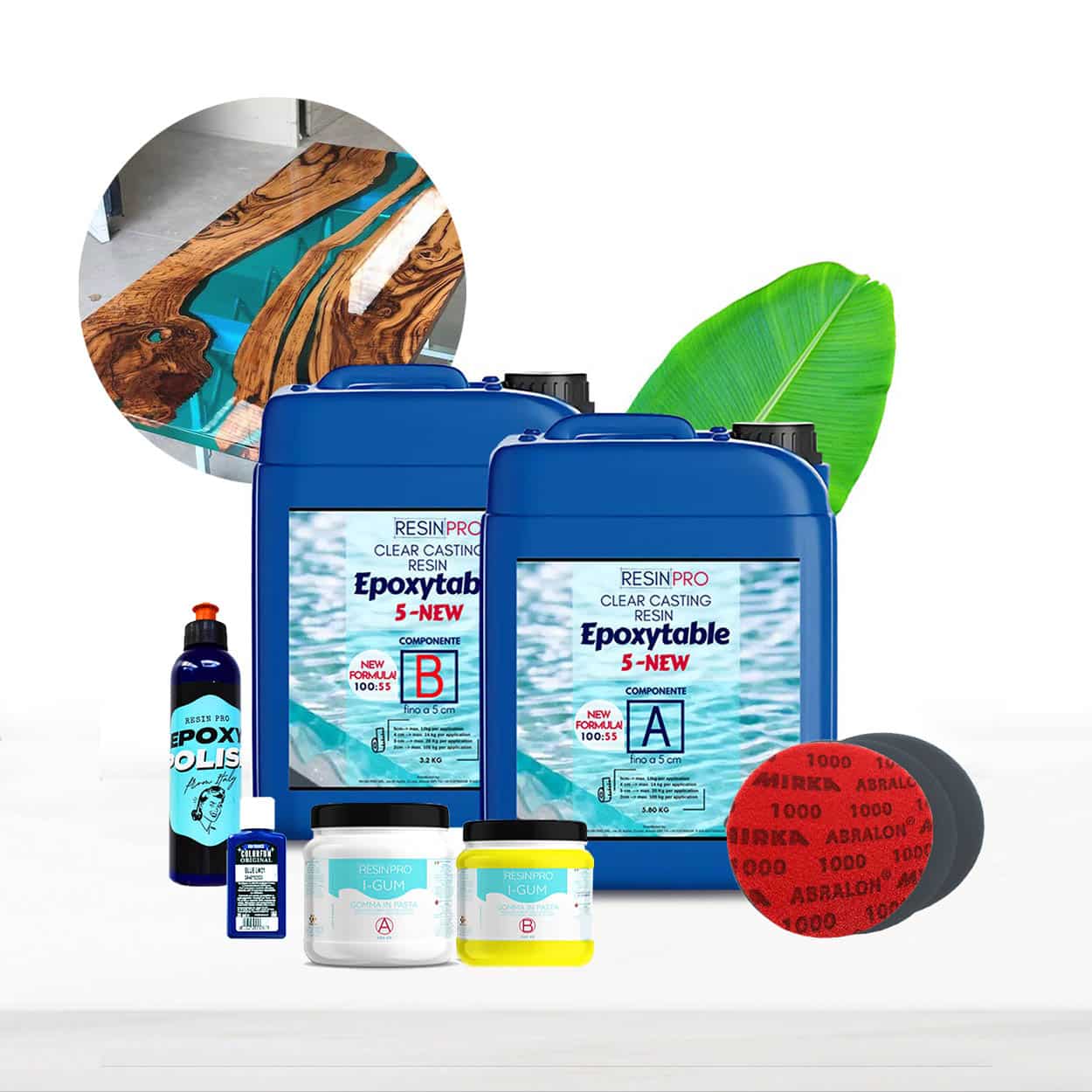 "River-Table" – Complete Kit for Creating Your First Epoxy Resin TablePrice range: £188.85 through £444.85This kit provides materials and instructions for creating a wood and resin table, including epoxy resin and a polishing kit.
Frequently Asked Questions
Can I polish epoxy resin by hand or is a powered polisher required?
A powered polisher produces a smoother, more uniform gloss, but small projects can be hand-polished with patience.
Is it possible to polish out dullness or fine scratches from clear epoxy resin?
Yes, gradual sanding through finer grits followed by a polishing compound restores clarity and shine to most resin surfaces.
How much time should I allocate to sanding and polishing epoxy resin?
Depending on size and condition, it can take from 30 minutes for small items to several hours for large tables.
Which grit sequence should I use to sand clear epoxy resin before final polishing?
Begin with 360–600 grit and progress through 1000, 2000, to 4000 for a glass-like finish before polishing.
Can polishing remove deeper gouges or surface bubbles in epoxy?
Polishing addresses minor marks and dullness. Deep gouges or bubbles may require additional resin or sanding before polishing.
Can I use the same polishing method on coloured epoxy resin?
Yes, polishing is suitable for pigmented epoxy. Take extra care to avoid over-sanding coloured or decorative layers.