 Free shipping on orders over £29,85
  Shipping Tracking!


 Google
 Facebook
How do you polish resin for jewellery?
Step-by-step guide to achieving glass-like shine on resin pieces


Resin jewellery captivates with its vibrant colours and clarity, but proper polishing is crucial to reveal its true beauty. This guide will show you how to achieve a high-gloss, professional finish on your resin pieces, highlighting every intricate detail and ensuring lasting brilliance.
What You’ll Need
- “Epoxy Polish” – Epoxy Resin Polishing System: A specialist polish for restoring a mirror-like gloss to resin.
- “Ebonite Abralon” – Sanding Pads 360-4000 Grit for Resin and Wood: Range of sanding pads for smooth surface preparation.
- Manual Polishing Pad Holder for Sanding & Polishind Pads: Comfortable grip for controlled sanding and polishing by hand.
- Lukewarm water (for wet sanding)
- Microfibre or lint-free cloths
- Protective gloves and mask (for dust protection)

Essential Materials for Resin Jewellery Polishing
For a flawless result, use a combination of specialised sanding pads, a gentle manual pad holder, and polishing compounds. High-quality abrasives and polishing systems ensure a smooth transition from matte to gloss, helping you achieve a professional, glass-like shine on your jewellery pieces. Wearing gloves and working in a well-ventilated area is recommended for safety and comfort.

Step 1: Sand the Resin Surface Smooth
Before polishing, make sure the cured resin piece is completely hard and clean. Begin sanding with a coarse grit pad (360–400 grit) to remove lumps, uneven edges, or the glossless casting layer. For best results, sand under running water or dip the piece regularly to minimise dust and prevent clogging.
Progress through the sanding grits, moving to finer grades such as 600, 1000, up to 4000, always keeping the surface wet and rinsing away residue between stages. Choose sanding pads with a gentle touch to avoid scratching the resin deeper than necessary and maintain a flat, even finish. Consistent, circular motions help ensure the entire surface is evenly sanded.
Using the “Ebonite Abralon” – Sanding Pads 360-4000 Grit for Resin and Wood with a Manual Polishing Pad Holder for Sanding & Polishind Pads can greatly improve comfort and control, especially on small or detailed jewellery shapes.
Step 2: Remove Residue and Dry Thoroughly
Once you have finished sanding with the finest grit, rinse the jewellery piece well under lukewarm water to remove all sanding dust and abrasive particles. Carefully check for matte or scratched areas, repeating sanding if needed until all marks are gone.
Dry your resin jewellery completely with a clean, lint-free cloth. Let each stage dry before progressing. Inspect closely—any lingering dust can compromise the polish in the next step.
Step 3: Polish to a High Gloss
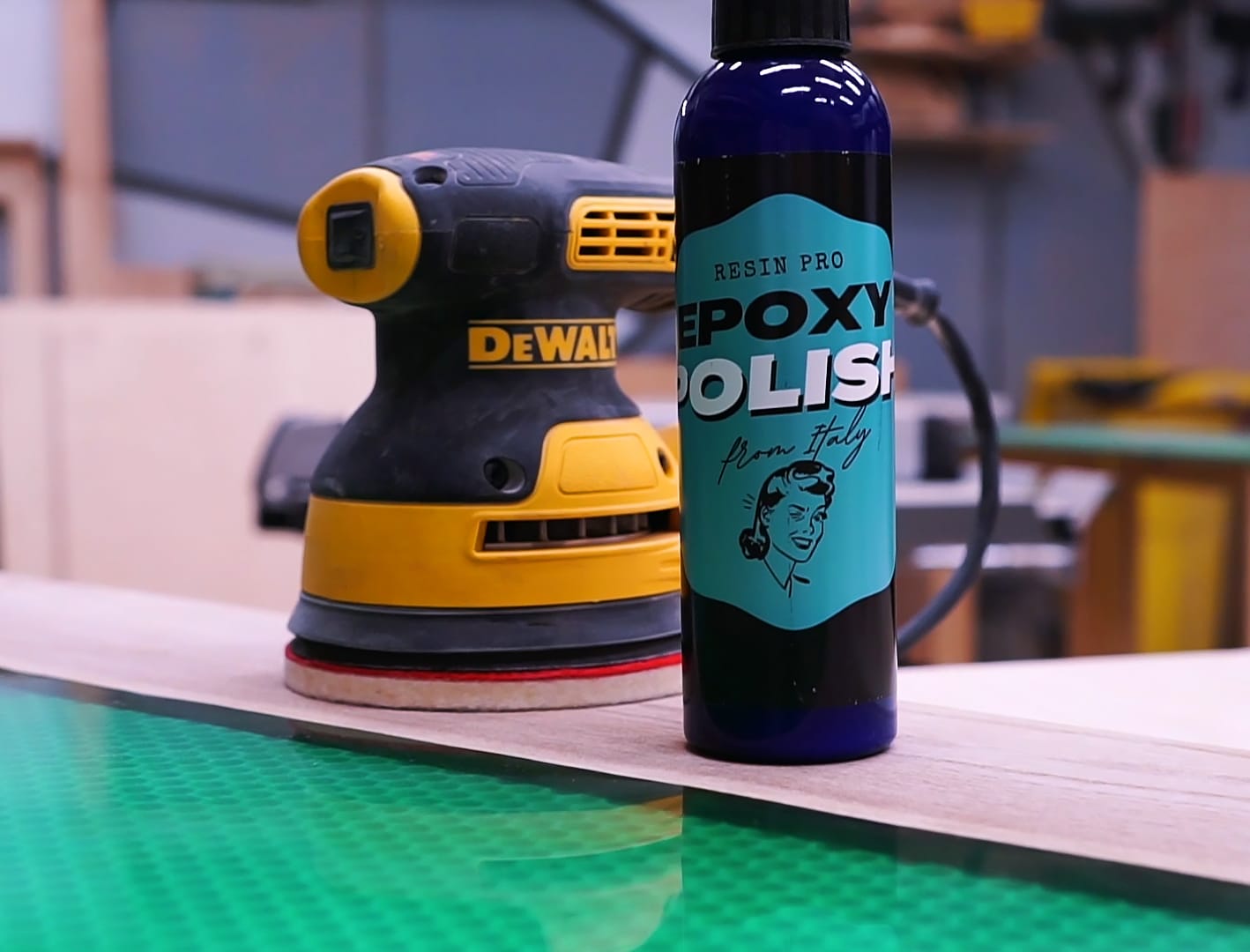
Apply a small amount of polishing compound to your piece or a polishing pad. Use consistent, gentle circular motions to buff the resin’s surface, either by hand or with a polishing pad holder. Buff gently and avoid excess heat that can deform or haze the resin.
The “Epoxy Polish” – Epoxy Resin Polishing System is specifically designed for this stage, providing anti-hologram technology for a mirror-like shine. Continue polishing until the jewellery achieves the desired gloss without visible swirl marks or clouding.
Step 4: Final Clean and Inspection
Wipe the polished piece with a microfibre or lint-free cloth to remove any remaining polish residue. Check under good lighting to ensure the finish is even with no missed spots.
Finish with a lint-free cloth for the ultimate ‘glass’ effect, ready to showcase or gift your new resin jewellery creation.

Tips, Common Mistakes, and Troubleshooting
Work patiently through each grit stage—skipping ahead may leave visible scratches that are difficult to polish out. Always use clean water for wet sanding and never rush drying. If the finish appears dull after polishing, repeat the finest grit sanding and polish again in small sections.
Take care to protect surfaces and ventilate your workspace to minimise dust. Use light pressure during all manual steps—a heavier hand can risk surface distortion. Practice on scrap pieces if new to resin jewellery polishing.
Expert Insights for Polishing Resin Jewellery
Professional resin artists advise patience and precision in each step, especially when working with detailed or small items. Consistent technique and attention to cleaning between stages will prevent residue from marring your finish. Explore sanding and polishing products for even more solutions to fit your project needs.

- "Epoxy Polish" – Epoxy Resin Polishing SystemPrice range: £17.85 through £44.85"Epoxy Polish" is designed for polishing resin surfaces to a glossy finish, suitable for jewellery and other projects.
- “Epoxytable 10-Ten” – Deep Pour Epoxy Resin for Tables, Up to 10cm CastingPrice range: £33.85 through £334.85“Epoxytable 10-Ten” is a deep pour epoxy resin designed for creating tables and large projects requiring castings up to 10cm thickness.
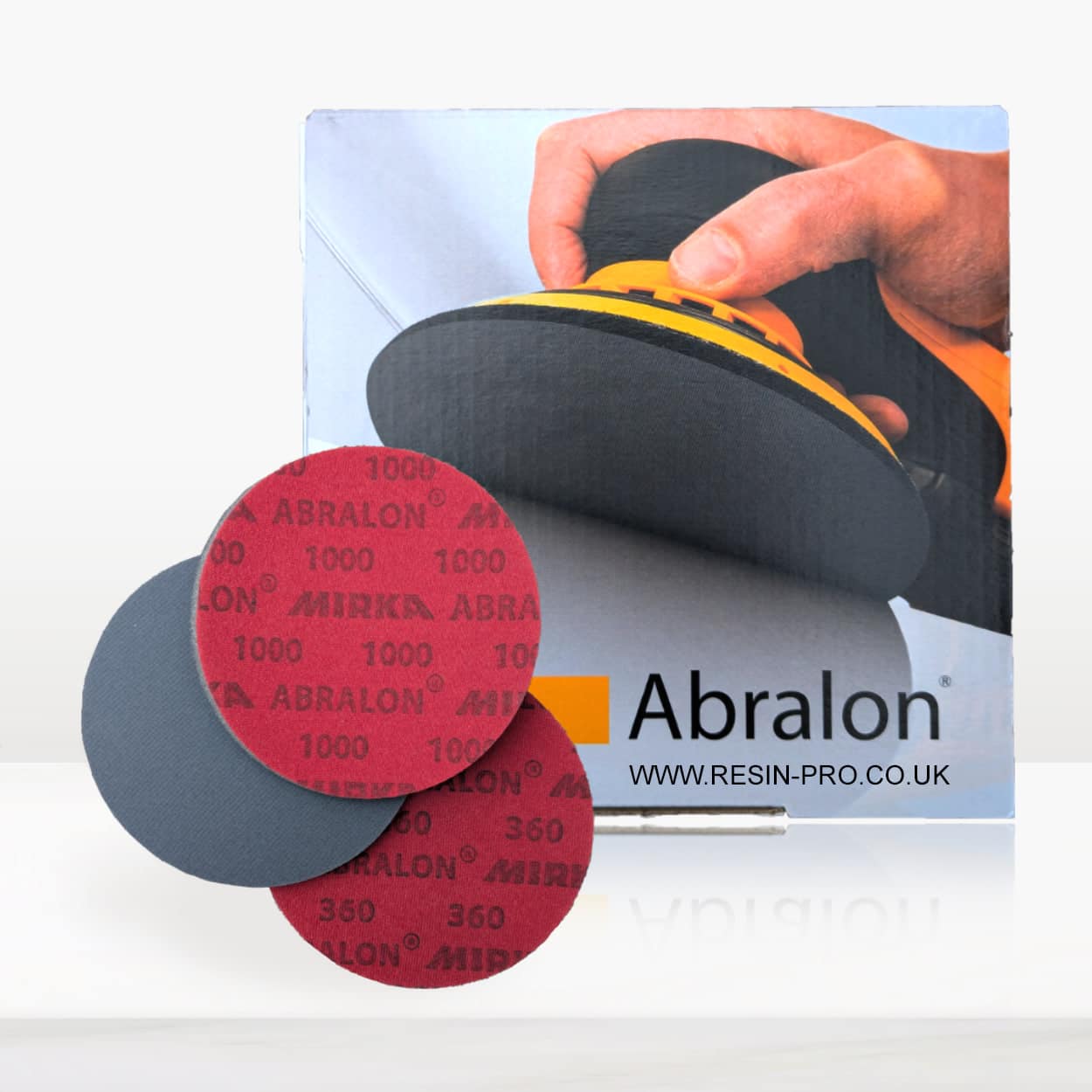 "Ebonite Abralon" – Sanding Pads 360-4000 Grit for Resin and Wood£3.95"Ebonite Abralon" Sanding Pads are designed for polishing resin and wood with grits from 360 to 4000, suitable for detailed finishing.
 Manual Polishing Pad Holder for Sanding & Polishind Pads£4.85Manual Polishing Pad Holder designed for effortless manual sanding and polishing with good grip, suitable for intricate resin jewellery work.
Frequently Asked Questions
What tools do I need to polish resin jewellery?
A range of sanding pads, a manual polishing holder, high-quality polish, and a microfibre cloth are essential for a glossy finish.
Can I polish resin jewellery by hand, or do I need a machine?
Manual polishing is effective with proper pads and polish; a pad holder makes it easier, but machines are optional for small items.
Which grit sanding pads should I use for resin jewellery?
Start with 360–600 for shaping, progressing to 1000–4000 grit for finishing before final polish to achieve clarity.
Why does my resin jewellery look cloudy after polishing?
Cloudiness often results from incomplete sanding, skipping grits, or not removing residue before polishing.
Can I use toothpaste or household products to polish resin?
For best results and durability, use a purpose-made polishing system; household products are less effective and may damage the resin.
How long does it take to polish resin jewellery?
Expect each piece to take 15–30 minutes, depending on size and finish requirements. Rushing can compromise the gloss.
Is it safe to sand and polish resin jewellery?
Yes, with correct use of gloves, dust mask, and proper ventilation. Always wet-sand to reduce airborne dust.