 Free shipping on orders over £29,85
  Shipping Tracking!


 Google
 Facebook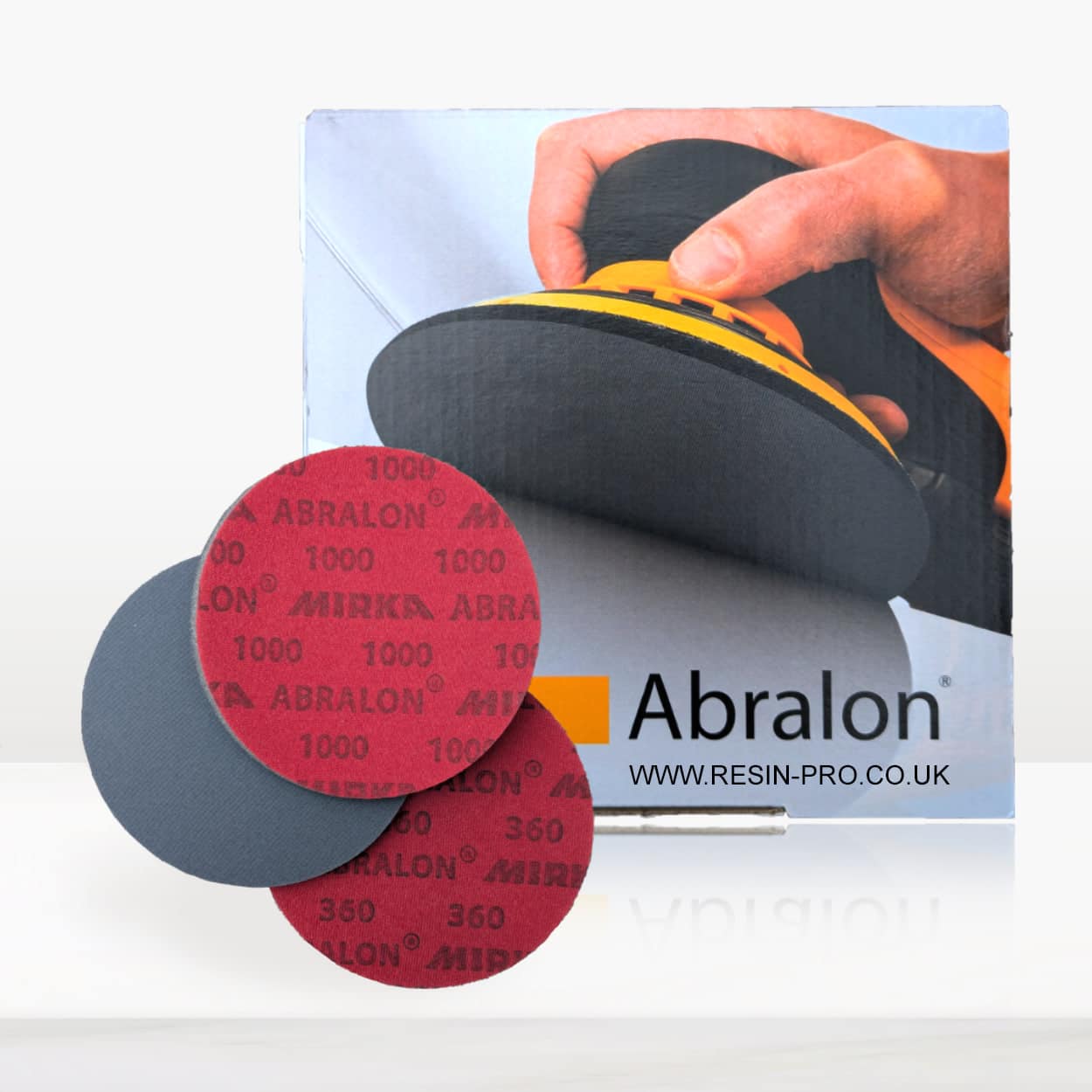
Polishing resin to a glossy sheen starts long before you break out the polish cream. Using the right sequence of sanding grits is essential for removing imperfections and creating a flawless, smooth surface that’s ready to shine.
Recommended Grit Sequence for Resin
For resin projects, it’s best to start sanding with a 360 grit pad if the surface has noticeable marks or unevenness. Gradually work your way up through finer grits, such as 600, 1000, 2000, and finally 4000. Each stage will remove the scratches from the previous sandpaper, leaving the resin increasingly clearer.
- 360 grit – Begins smoothing rough areas
- 600-1000 grit – Refines the surface further
- 2000-4000 grit – Achieves a scratch-free, pre-polish finish
High-quality options like the Ebonite Abralon Sanding Pads offer precise, consistent sanding in all these grit levels.
How to Move from Sanding to Polishing
After reaching the finest sanding grit (often 4000), your resin will be clear but not yet glossy. At this point, switch to a purpose-made polish and soft sponge or microfiber pad. Apply the polish using a tool designed for the job to ensure even results. The Epoxy Polish system is tailored for resin and pairs well with finishing sponges such as Polishing Sponge Discs to achieve a mirror-like shine.
When This Matters Most
A careful grit progression is especially important for clear castings, jewellery, river tables, and whenever clarity or a high-gloss finish is vital. Rushing this process or skipping grits can leave visible scratches and a cloudy appearance that’s difficult to remove later.
Related products
Related guides
Choosing the right sanding grit sequence is key to polishing resin successfully. Following these steps prepares your surface for a professional finish and ties directly into expert approaches covered in our complete resin polishing guide.