 Free shipping on orders over £29,85
  Shipping Tracking!


 Google
 Facebook
How to polish polyester resin?
Step-by-step guide for flawless, glossy polyester resin surfaces


Polishing polyester resin is essential for achieving that pristine, glass-like clarity on furniture, art pieces, or jewellery. This guide walks you through the key steps, helping both beginners and experienced makers get flawless, professional-looking results. Whether you’re restoring an older project or striving for a high-gloss coat, these instructions ensure your resin shines bright without unsightly swirls or scratches.
What You’ll Need
- “Ebonite Abralon” – Sanding Pads 360-4000 Grit for Resin and Wood: For methodical, multi-step sanding of the surface
- 1200W Polisher for Sanding and Buffing – Variable Speed, D-Handle: For controlled, even polishing
- A microfibre cloth or soft, lint-free polishing pads
- Clean water and a spray bottle (for wet sanding steps)
- “Epoxy Polish” – Epoxy Resin Polishing System or “Carbon Polish” – Polishing System for Dark and Black Surfaces, 250ml: For the high-gloss polishing phase
- Nitrile gloves and suitable respiratory protection for sanding dust

Essential Tools for Resin Polishing
Quality tools and materials are the backbone of a perfect finish. Invest in dedicated sanding pads and professional-grade polish to make your polyester resin project truly shine. Matching products to your resin colour prevents unwanted marks and ensures a flawless final result.

Step 1: Prepare the Surface Thoroughly
Always start with a clean, dry surface to prevent scratches. Remove any dust, grease, or fingerprints using a lint-free cloth. If the project is freshly moulded, ensure it is fully cured before proceeding. Residual curing can make sanding less effective and leave streaks in your finish.
Inspect the resin for significant bumps or imperfections. Use a razor blade or fine file to carefully level any raised areas before you proceed to sanding, as these can interfere with even abrasion.
Step 2: Sand Progressively with Finer Grits
Do not rush the sanding process; thoroughness now builds the final finish. Start with a coarser sanding pad, such as 360 or 500 grit from the “Ebonite Abralon” – Sanding Pads 360-4000 Grit for Resin and Wood, and sand in a consistent, overlapping motion. Apply even pressure and sand either wet or dry as suited to the pad and the resin type—wet sanding reduces dust and helps avoid clogging.
After each grit step, rinse the surface clean and wipe dry. Move through progressively finer grits (for example, 800, 1500, 2000, up to 4000), ensuring all marks from the previous grit are removed before advancing. The surface should become increasingly smooth and slightly matte as sanding lines disappear.
Step 3: Choose Your Polishing Compound
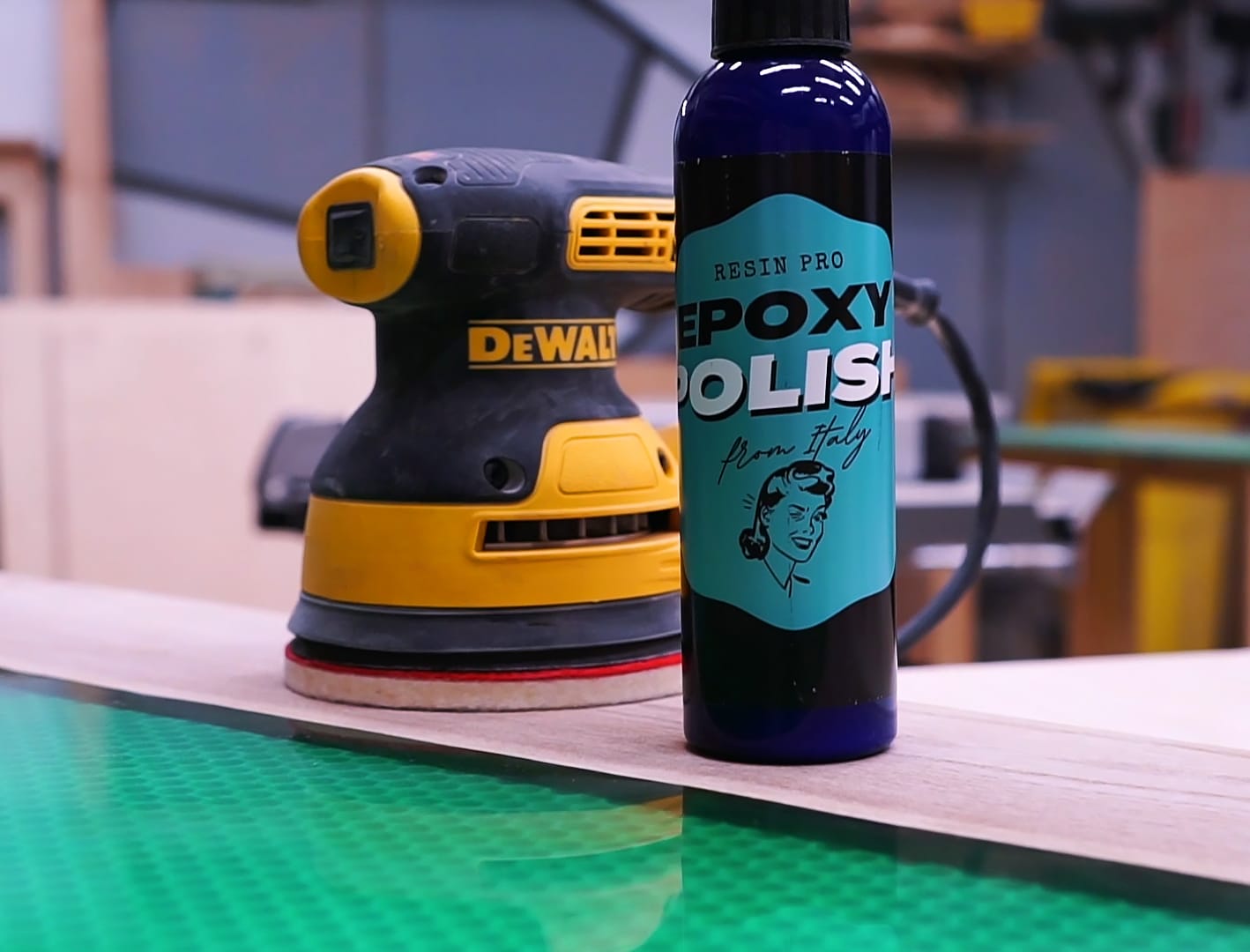
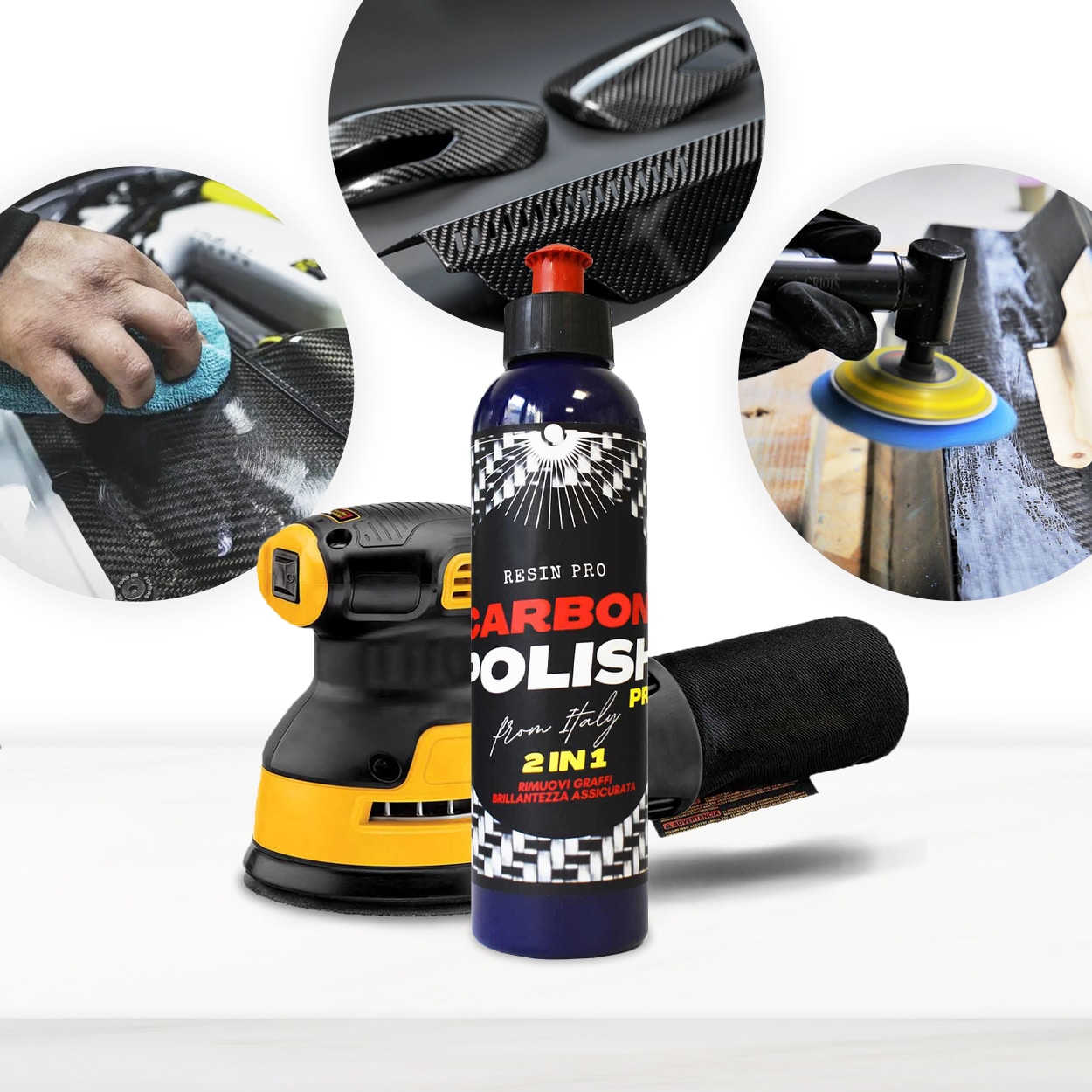
Choose products suited to your resin’s colour for best results. If you’re polishing clear or light-coloured resin, a dedicated resin polish such as “Epoxy Polish” – Epoxy Resin Polishing System offers excellent clarity and gloss. For black or dark-pigmented resin, opt for a specialist compound like “Carbon Polish” – Polishing System for Dark and Black Surfaces, 250ml, which prevents whitening and gives an even, mirror finish.
Apply a small amount of polish to a soft microfibre pad or the appropriate polisher pad. Work in small, manageable sections to ensure complete, even coverage.
Step 4: Polish Evenly with the Correct Tool
Use your selected polisher, such as the 1200W Polisher for Sanding and Buffing – Variable Speed, D-Handle, on a low to medium speed. Gently buff the resin in smooth, overlapping passes. Maintain slight, steady pressure and keep the pad moving to avoid overheating or damaging the surface.
Work in small sections and inspect frequently to avoid missed spots. Buff until the polish starts to become clear or diminishes on the surface, then wipe away any residue with a microfibre cloth. Repeat where necessary until the entire surface reflects light evenly with no visible marks.
Step 5: Final Inspection and Care
After polishing, closely inspect the resin from all angles under bright light. If any dull spots or fine scratches remain, you may need to repeat the previous sanding and polishing steps in those specific areas.
Polish only after sanding marks are fully removed for a lasting shine. Once satisfied, gently wipe down the item with a clean, dry cloth. Avoid harsh cleaners or abrasive pads for ongoing maintenance and enjoy your flawless, mirror-gloss finish.
Tips, Common Mistakes, and Troubleshooting
- If sanding leaves uneven marks, check pad wear or switch to a fresh pad for consistency.
- A cloudy finish after polishing often results from incomplete sanding or using too much polish—start over with a finer grit if needed.
- Contamination between sanding steps increases the risk of scratches; always rinse and dry between each grit.
- Be patient—rushing through grits or skipping polish can leave permanent flaws in the resin’s appearance.
- Protect your workspace with proper ventilation and consider using dust extraction when sanding.
See the Difference: Real Resin Polish Transformations
Transform ordinary resin into extraordinary art. Explore before-and-after examples to understand how proper sanding, the right polish, and careful technique can turn a cloudy surface into a vibrant, high-gloss masterpiece.

- "Epoxy Polish" – Epoxy Resin Polishing SystemPrice range: £17.85 through £44.85"Epoxy Polish" is a resin polishing system designed for creating a glossy finish on resin and similar materials.
- "Carbon Polish" – Polishing System for Dark and Black Surfaces, 250mlPrice range: £17.85 through £44.85Carbon Polish Black is designed for polishing dark surfaces in epoxy resin projects, suitable for careful finishing without typical whitening effects.
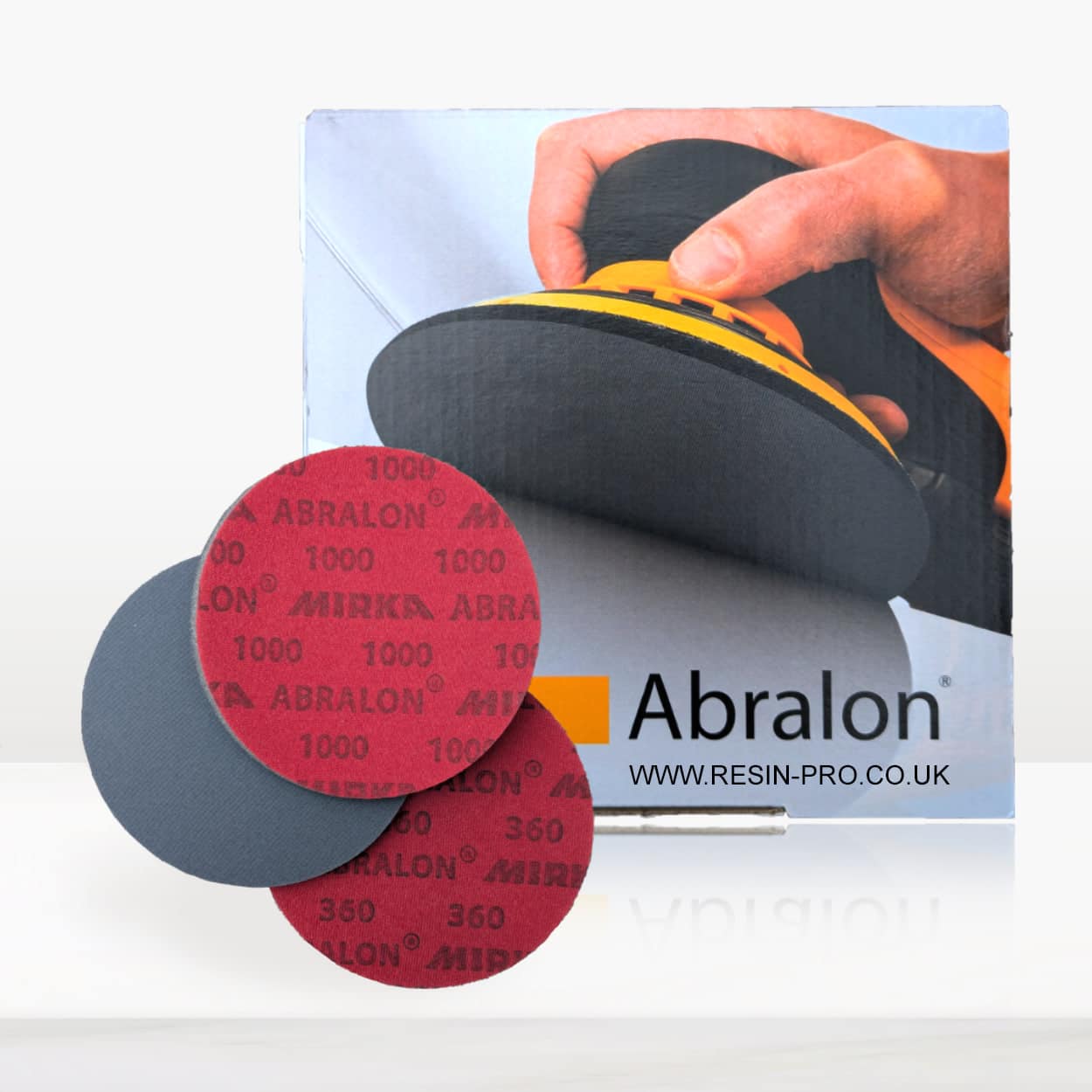 "Ebonite Abralon" – Sanding Pads 360-4000 Grit for Resin and Wood£3.95"Ebonite Abralon" Sanding Pads offer a selection of grits from 360 to 4000 for precise polishing of resin and wood surfaces.
 1200W Polisher for Sanding and Buffing – Variable Speed, D-Handle£85.95The 1200W Polisher offers variable speed and a sturdy handle, suited for sanding and polishing tasks consistent with how to polish polyester resin.
Frequently Asked Questions
What is the best way to sand polyester resin before polishing?
Use progressively finer grits, starting with 360 or 500 and finishing at 4000. Sand thoroughly at each stage and always remove dust before switching grits.
Can I use regular car polish on polyester resin?
Dedicated resin polishes provide better results and clarity, especially on clear or coloured surfaces, compared to standard car polish.
How do I fix a cloudy finish after polishing polyester resin?
Return to the last sanding stage, use a finer grit, and ensure all scratches are removed before reapplying polish for a clear finish.
Is it better to polish polyester resin by hand or with a machine?
Machines provide more even results and save time, but careful hand polishing can still achieve a good gloss for small projects.
What polishing compound should I use for black or coloured resin?
Specialist black-surface polishes help avoid whitening and give a uniform, mirror finish on dark or pigmented resins.
Can I skip fine-grit sanding before polishing?
Skipping fine-grit sanding leaves visible scratches and prevents a flawless gloss; progress through all sanding steps for best results.