 Free shipping on orders over £29,85
  Shipping Tracking!


 Google
 Facebook
← Back to How do you polish a tile with resin?
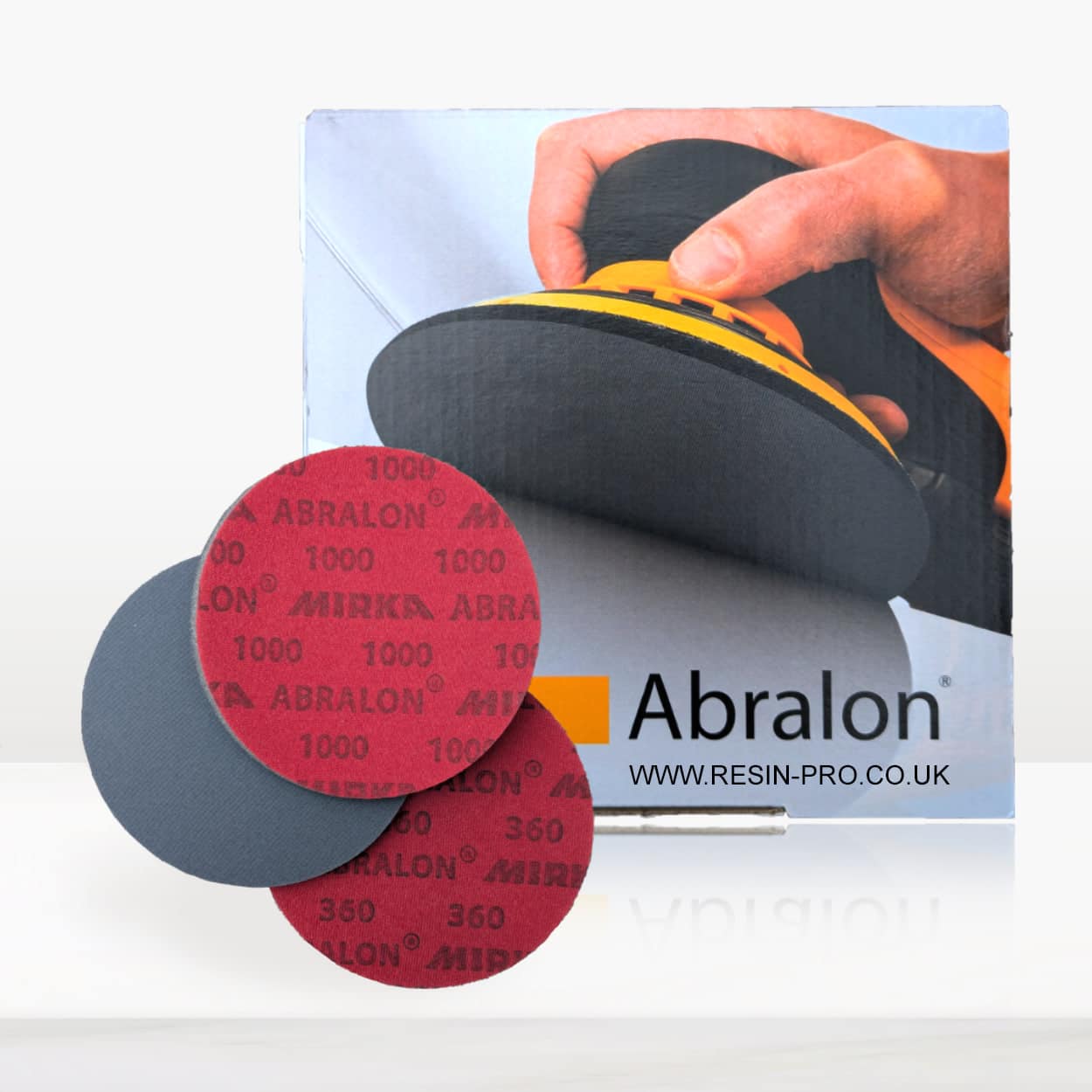
Achieving a flawless finish on resin-coated tiles starts with choosing the appropriate sanding grit. The right starting grit not only affects how quickly you level or smooth the surface but plays a vital role in creating an even, glossy result for your resin tile projects.
Choosing Your Starting Grit
If your resin tile has a coarse or uneven surface, it’s best to begin sanding with a 360 or 500 grit pad. These grits are effective for smoothing out irregularities without causing deep scratches.
However, for surfaces that already feel smooth to the touch, you can start with a finer grit as this reduces the risk of oversanding. Always test your chosen grit on a discreet area first to gauge its effect and ensure you don’t remove too much material too soon.
Tools and Techniques for Best Results
Using quality sanding pads, like the “Ebonite Abralon” – Sanding Pads 360-4000 Grit for Resin and Wood, helps achieve a consistent finish. For larger surfaces or optimum speed, a variable-speed polisher offers precise control. Remember to sand in gradual steps, progressively moving to finer grits and keeping the surface clean from dust. Wet sanding can be especially useful, as it reduces heat build-up and minimises clogging, which is particularly important for resin surfaces.
When Grit Selection Matters Most
Starting with the right grit is crucial when you need to remove rough patches after casting, blend repairs, or prepare the tile for a high-gloss polish. The wrong grit can lead to visible scratches that are difficult to remove later, so taking the time to match your approach to the tile’s condition makes all the difference.
Related products
Related guides
With the correct grit and the right approach, polishing resin tiles becomes far more straightforward and rewarding. For further guidance on polishing and finishing techniques, see our main guide on how to polish a tile with resin.