 Free shipping on orders over £29,85
  Shipping Tracking!


 Google
 Facebook
← Back to How to put insects in resin natural sciences fb?
Bubbles are a common challenge when casting insects or natural specimens in resin, potentially affecting clarity and preserving detail. Careful pouring – slow and in thin layers – is essential for producing crisp, clear results.
Why Thin Layers Make a Difference
Resin releases trapped air as it cures. Pouring in thin layers, typically no more than 1–1.5 cm at a time (or up to 2 cm for some epoxy resins), helps air bubbles rise to the surface and escape. This is especially important when encasing three-dimensional specimens like insects, where hidden air pockets can easily form between wings and body parts.
How to Pour Resin Carefully
- Mix your resin thoroughly, following the recommended ratio and instructions for your chosen product.
- Allow the mixture to rest for a minute so surface bubbles can disperse.
- Slowly pour a thin layer of resin into your mould, tilting the container gently to avoid creating turbulence.
- Wait for this layer to partly cure before adding your insect or the next layer, if needed.
- Use a toothpick or heat gun on a low setting to guide out any surface bubbles.
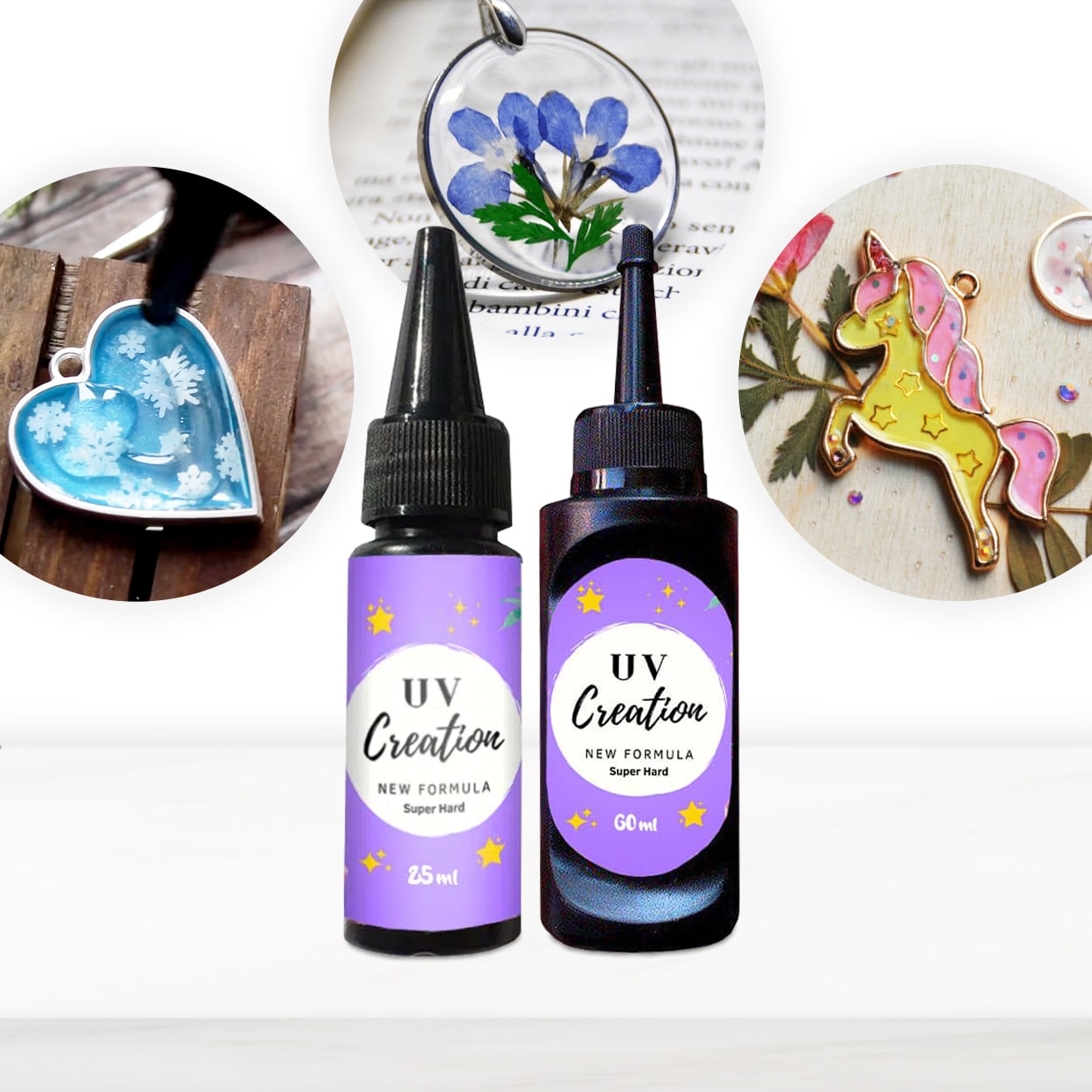
For quick projects or jewellery, a product like UV–Creation – Fast Acrylic Resin cures within minutes and is especially forgiving when poured in thin coats.
When This Matters Most
Pouring slowly and in thin layers is most crucial when bubble-free clarity is vital — such as for scientific displays, jewellery pieces, or decorative castings featuring fine details. Taking a patient approach ensures the full beauty of natural specimens remains visible.
Related products
Related guides
Mastering careful, layer-by-layer pouring is fundamental for those interested in how to put insects in resin for natural science projects. This method gives you the best chance of achieving crystal-clear results that enhance any display or collection. For further guidance, explore our main guide on this fascinating technique.