 Free shipping on orders over £29,85
  Shipping Tracking!


 Google
 Facebook
How to put insects in resin natural sciences fb?
Step-by-step guide to preserve insects in crystal-clear resin blocks
Encapsulating insects in resin is a rewarding process that allows you to preserve delicate specimens for education, display, or creative purposes. This guide will walk you through each step, from preparing your insects to pouring resin and creating professional-quality transparent blocks suitable for natural science collections.
What You’ll Need
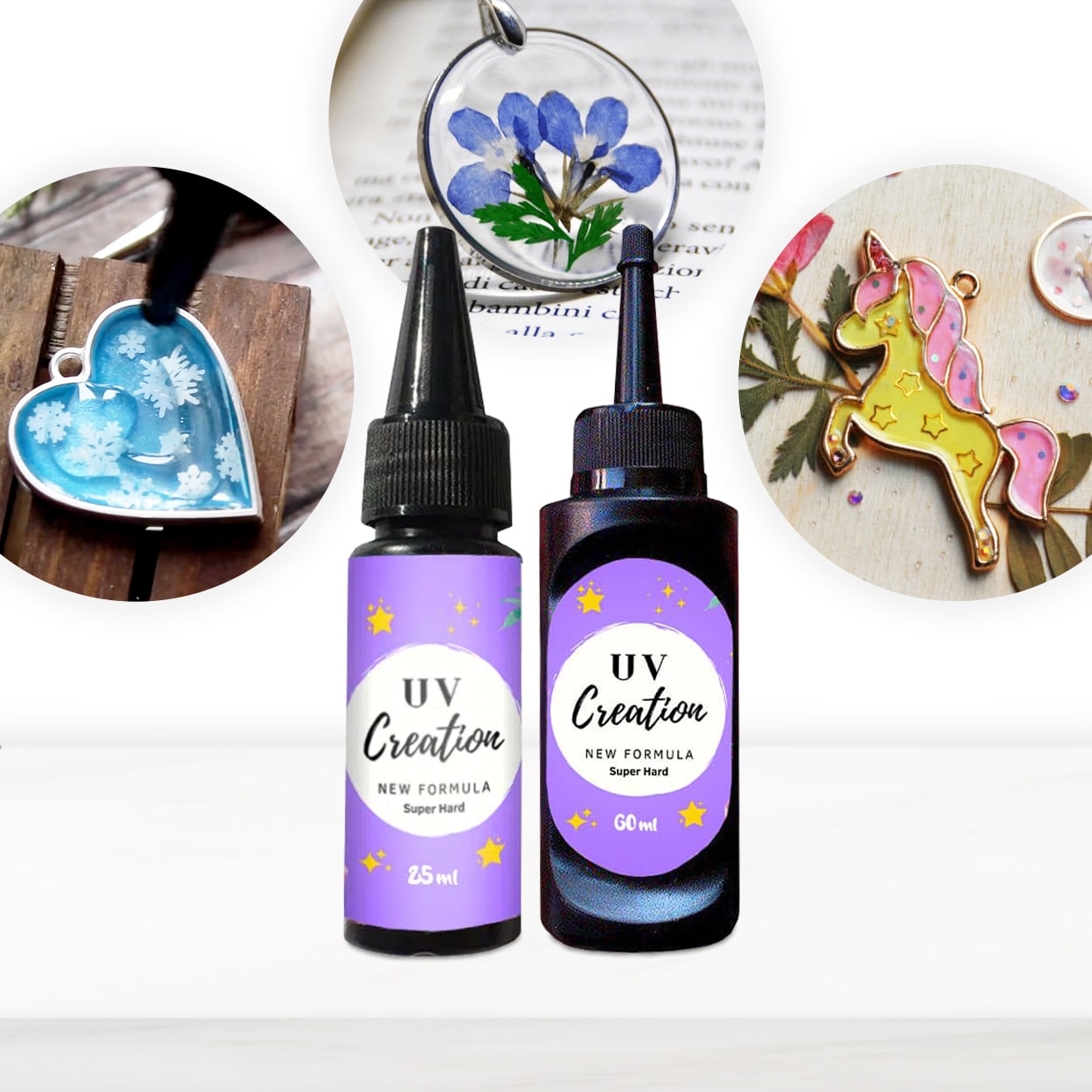
- “UV–Creation” – Fast Acrylic Resin, 3 Minute UV Cure: A fast-curing UV resin for small or thin insect displays.
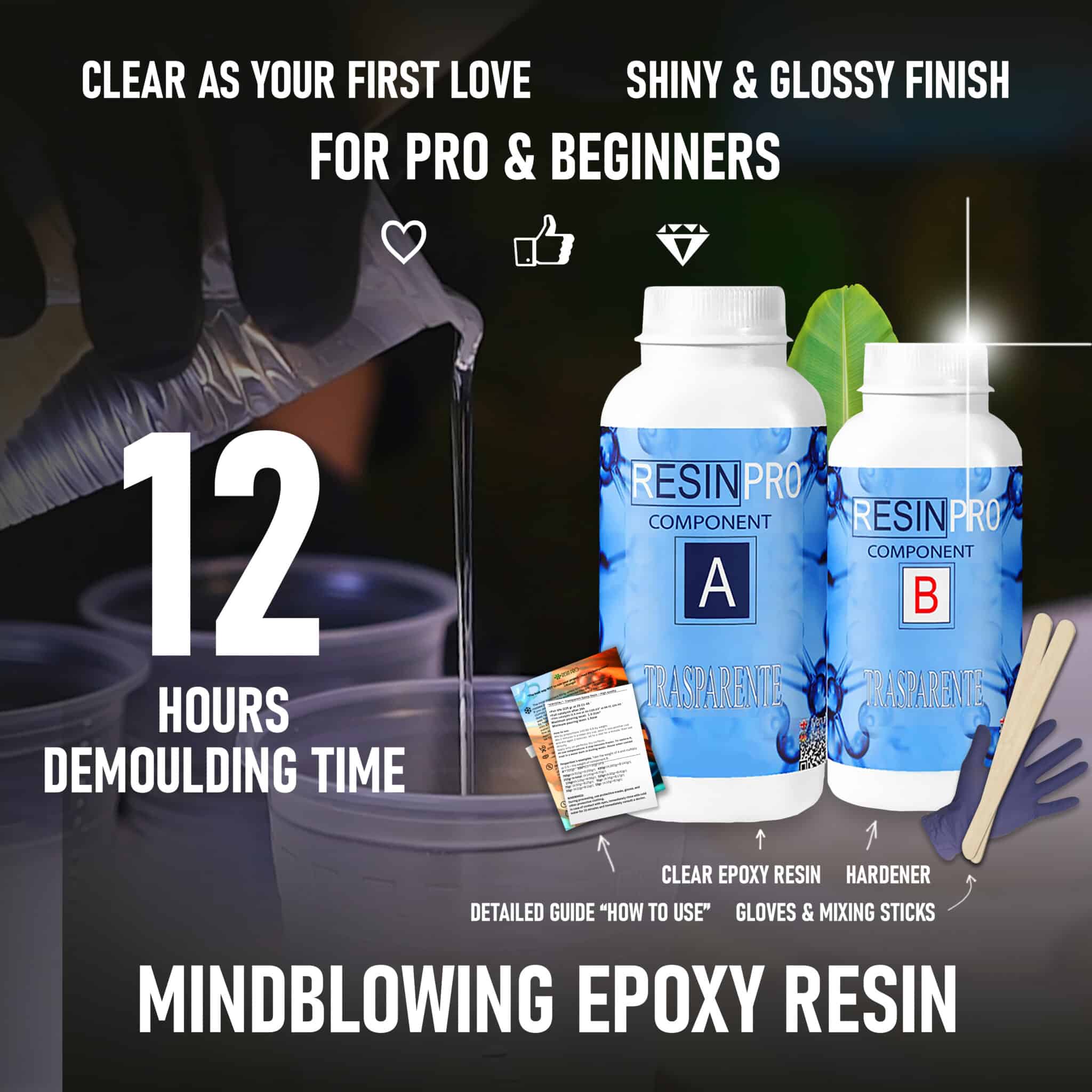
- “Trasparente” – Multipurpose Clear Epoxy Resin for Casting – Up to 2cm: Ideal for larger resin blocks up to 2cm thick.
- “Icrystal” – Clear Epoxy Resin – Odourless Formula – Up to 1.5cm: Suitable for transparent, odourless small castings.
- “Epoxytable 10-Ten” – Deep Pour Epoxy Resin for Tables, Up to 10cm Casting: For deep castings or large blocks.
- Insect specimens (cleaned and dried)
- Silicone or plastic moulds (appropriate size and shape)
- Mixing cups and sticks
- Nitrile gloves and safety glasses
- UV lamp (if using UV resin)
- Tweezers and fine brushes
Insect Display Inspiration
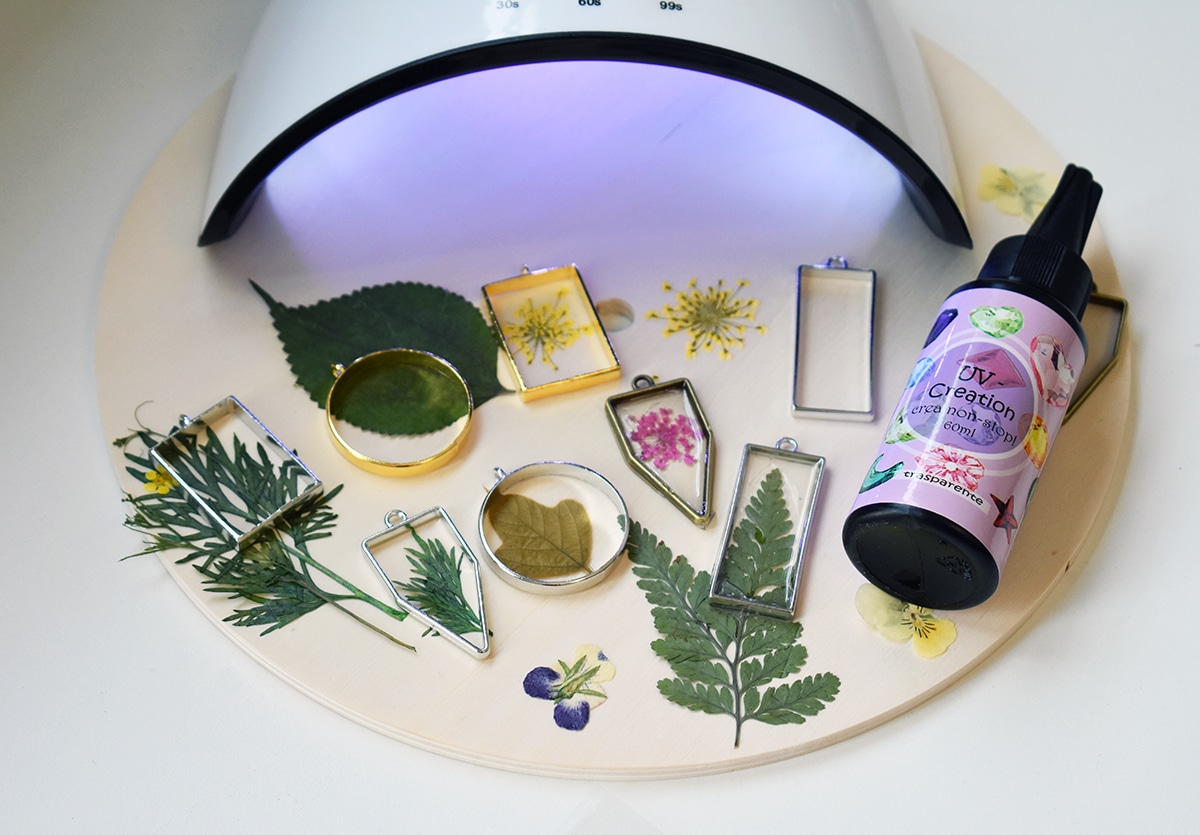
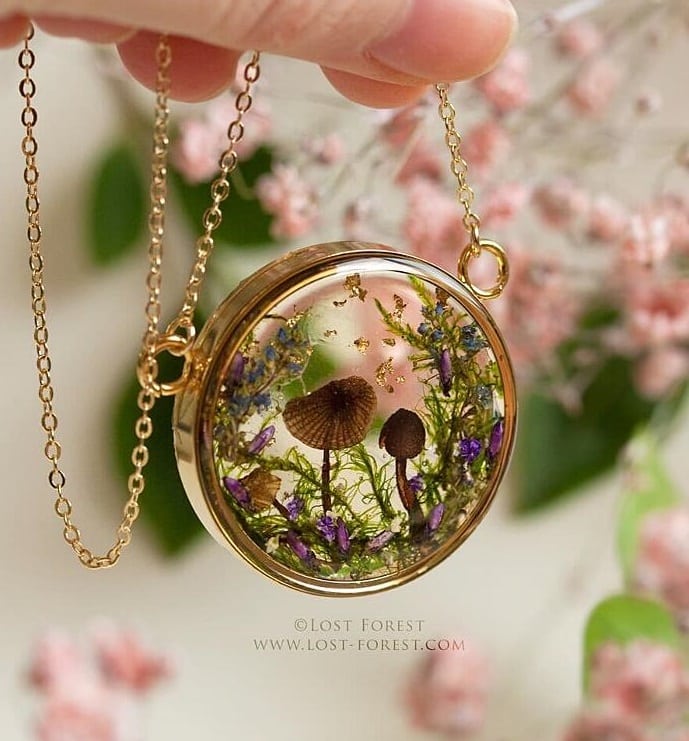
Preserved insects in resin create captivating scientific and decorative pieces, ideal for both educational settings and unique gifts. See how different species look when embedded in clear resin, showcasing their details from every angle. UV resin is perfect for thin, jewellery-style displays, while epoxies offer more versatility for larger projects.
Step 1: Prepare Your Insect Specimens
Proper preservation is crucial for ensuring your insects remain intact and attractive within the resin. Start by ensuring your insect specimens are fully dried—freeze-dried or air-dried specimens are ideal. If required, gently clean the insects with a fine brush to remove dust or debris. Handle each specimen by the body using tweezers to avoid damaging fragile legs or wings.
Position the insect in a dry area and consider arranging wings or legs in a natural pose while the body is still pliable. Once satisfied, allow the specimen to dry completely in this position before embedding. Moisture trapped within the resin can lead to cloudiness or decomposition, so patience at this stage will ensure a high-quality result.
Step 2: Prepare the Mould and Work Area
Work in a well-ventilated area and wear gloves to protect your skin from resin contact. Ensure your moulds are clean, dry, and free from dust, as even small particles can mar the crystal-clear finish. Place the cleaned moulds on a leveled surface to avoid any resin pooling on one side during curing.
Before mixing resin, double-check you have all your tools and safety gear ready. Some resins emit mild odours or vapours during curing, so good ventilation or an extraction fan is beneficial, especially when working with epoxy formulations.
Step 3: Arrange and Secure the Insect in the Mould
Handle insect specimens gently to avoid damaging delicate parts. Carefully place the prepared insect into the desired part of the mould, using tweezers for accuracy. Hold the specimen in place with a small dab of clear glue or by pouring a thin initial layer of resin to secure it.
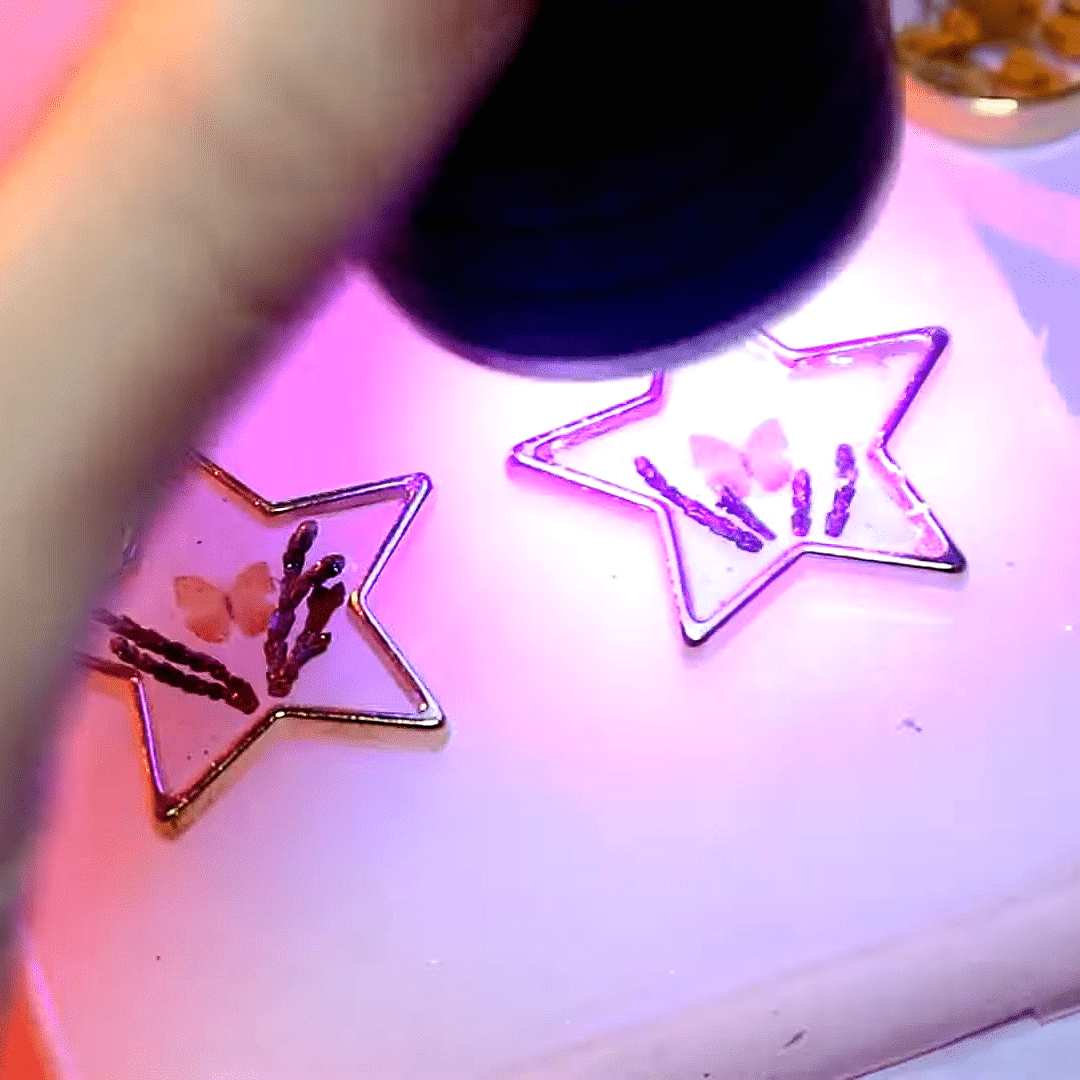
Allow the base layer to partially cure before proceeding with more resin. This ensures the insect remains suspended and doesn’t float or move out of position, which is especially important with lighter specimens. For resins such as “UV–Creation” – Fast Acrylic Resin, the cure time is rapid, making this step efficient for jewellery or thin blocks.
Step 4: Mix and Pour the Resin
Pour resin slowly and in thin layers to prevent bubbles. If using a two-part epoxy like “Trasparente” – Multipurpose Clear Epoxy Resin or “Icrystal” – Clear Epoxy Resin, measure accurately according to the product instructions and mix thoroughly, scraping the sides and base of the cup to ensure a consistent blend. For UV resin, simply dispense directly without mixing.
Pour the resin to cover the insect, working in layers if a thicker block is desired. Wait for bubbles to rise after each pour and use a toothpick or heat gun gently to release them. For very large or deep projects, consider “Epoxytable 10-Ten” – Deep Pour Epoxy Resin to achieve a clear, bubble-free fill up to 10cm.
Step 5: Cure and Demould Your Resin Block
Allow time for resin to cure fully before removing from the mould. Curing times vary: UV resins typically harden within minutes under a suitable lamp, while standard epoxy resins can require several hours to days. Follow the exact manufacturer’s guidance for curing to ensure the block is hard and transparent.
Carefully demould the resin once fully cured, flexing the silicone mould gently if needed. Any sharp edges can be sanded smooth with fine-grade sandpaper. The resulting resin block will display your insect with clarity, ready for use as a scientific display or decorative item.
Tips and Troubleshooting for Perfect Results
- Keep resin and specimens dust-free during the process to avoid unwanted inclusions.
- If you notice bubbles after pouring, use a fine tool or light heat—such as from a small torch—briefly and carefully to pop them without overheating the resin.
- Layering your pours helps prevent overheating and bubble entrapment, especially in thick castings.
- If a surface is tacky after curing, allow more time or check the mixing ratio for accuracy, particularly with two-part resins.
- Store finished pieces away from direct sunlight to minimise any risk of yellowing over time, even with UV-protected resins.
Finishing Touches and Display Ideas
Showcase your finished resin blocks on stands, in shadow boxes, or as part of scientific collections. You can polish edges for extra shine, attach display labels, or combine multiple specimens for themed collections. Durable, crystal-clear resins keep your insects visible and preserved for years. For deep or multi-layered projects, deep pour epoxy enables stunning, thick specimens with minimal bubbles or distortion.
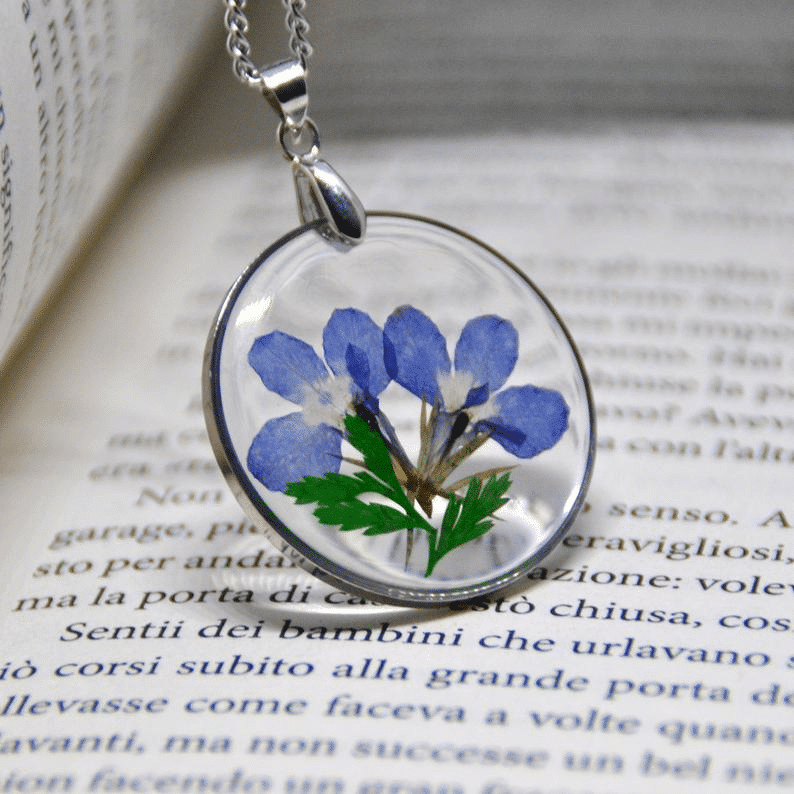
- "UV–Creation" – Fast Acrylic Resin, 3 Minute UV CurePrice range: £7.85 through £59.85"UV–Creation" is a UV gel resin for jewellery and craft use, curing quickly to a clear, glossy finish suited to natural sciences crafts.
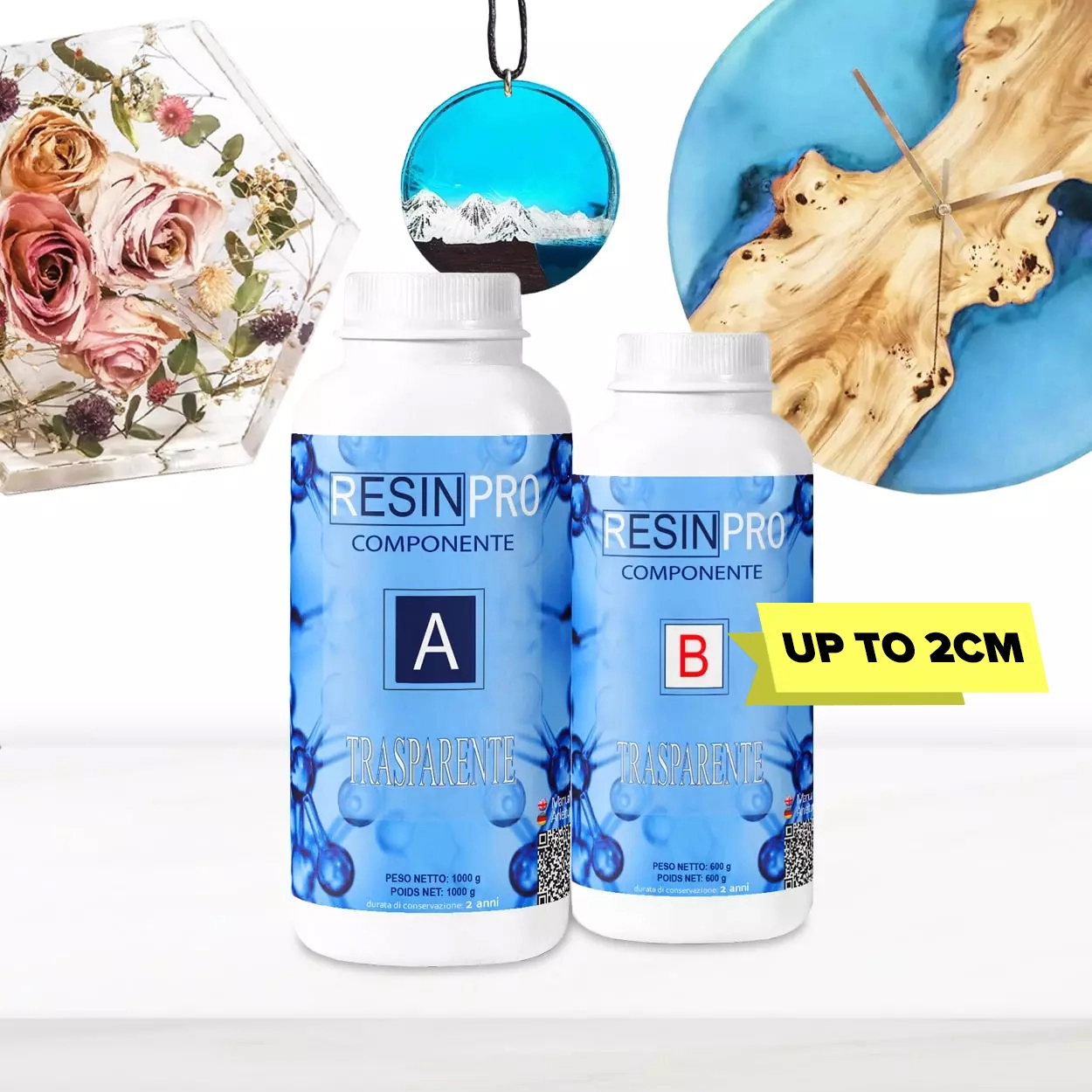
- "Trasparente" – Multipurpose Clear Epoxy Resin for Casting – Up to 2cmPrice range: £8.45 through £948.85"Trasparente" is a clear epoxy resin for casting up to 2 cm, with a glossy, self-levelling finish suitable for detailed craft and art projects.
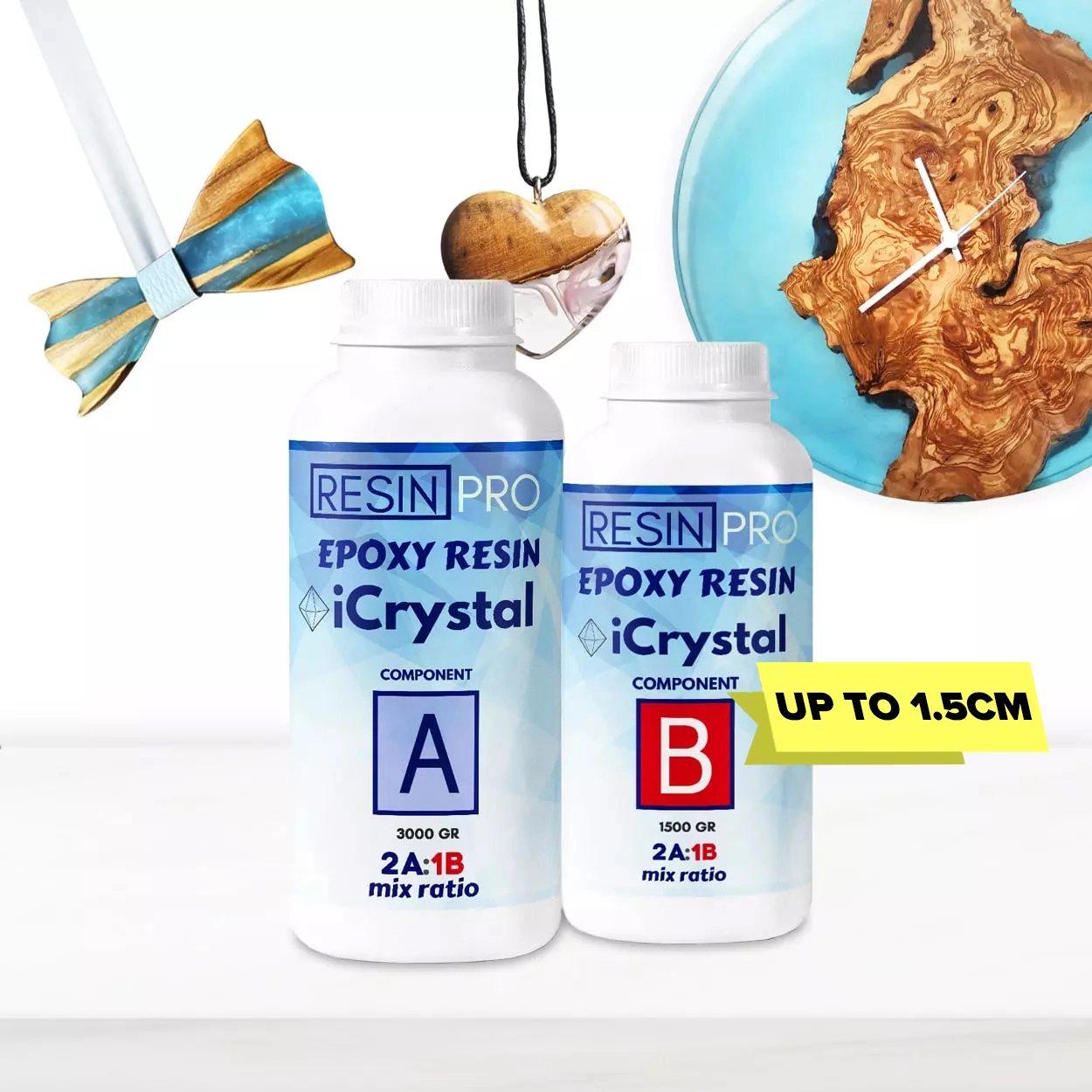 "Icrystal" – Clear Epoxy Resin – Odourless Formula – Up to 1.5cmPrice range: £11.65 through £954.85"Icrystal" clear epoxy resin offers transparency and scratch resistance, suitable for natural sciences projects and artistic uses.
 “Epoxytable 10-Ten” – Deep Pour Epoxy Resin for Tables, Up to 10cm CastingPrice range: £33.85 through £334.85“Epoxytable 10-Ten” is designed for deep casting projects up to 10cm in thickness, suitable for tables and artistic creations.
Frequently Asked Questions
Can you cast real insects in resin?
Yes, as long as the insect is thoroughly dried and prepared, it can be safely embedded in resin for preservation and display.
How do you avoid bubbles when embedding insects in resin?
Pour resin slowly in thin layers and use a heat source or toothpick to release trapped bubbles near the specimen.
Which type of resin is best for embedding insects?
Clear epoxy or UV resin are ideal depending on project size. Deep pour epoxies suit thick blocks; UV resin works for small pieces.
Do you need to preserve or treat insects before casting them in resin?
Yes, insects must be fully dried and clean to prevent cloudiness or decay in the finished resin block.
Can UV resin be used to embed insects?
Yes, UV resin is suitable for small, thin pieces and cures quickly, making it a good option for jewellery or small displays.
How long does resin take to cure when embedding insects?
UV resin cures in minutes under a lamp, while epoxy resins typically require several hours to a day for full hardness.
Can standard silicone moulds be used for insect resin blocks?
Yes, clean silicone or plastic moulds of the right size are ideal for casting insects in resin.