 Free shipping on orders over £29,85
  Shipping Tracking!


 Google
 Facebook
← Back to How to put resin on a table?
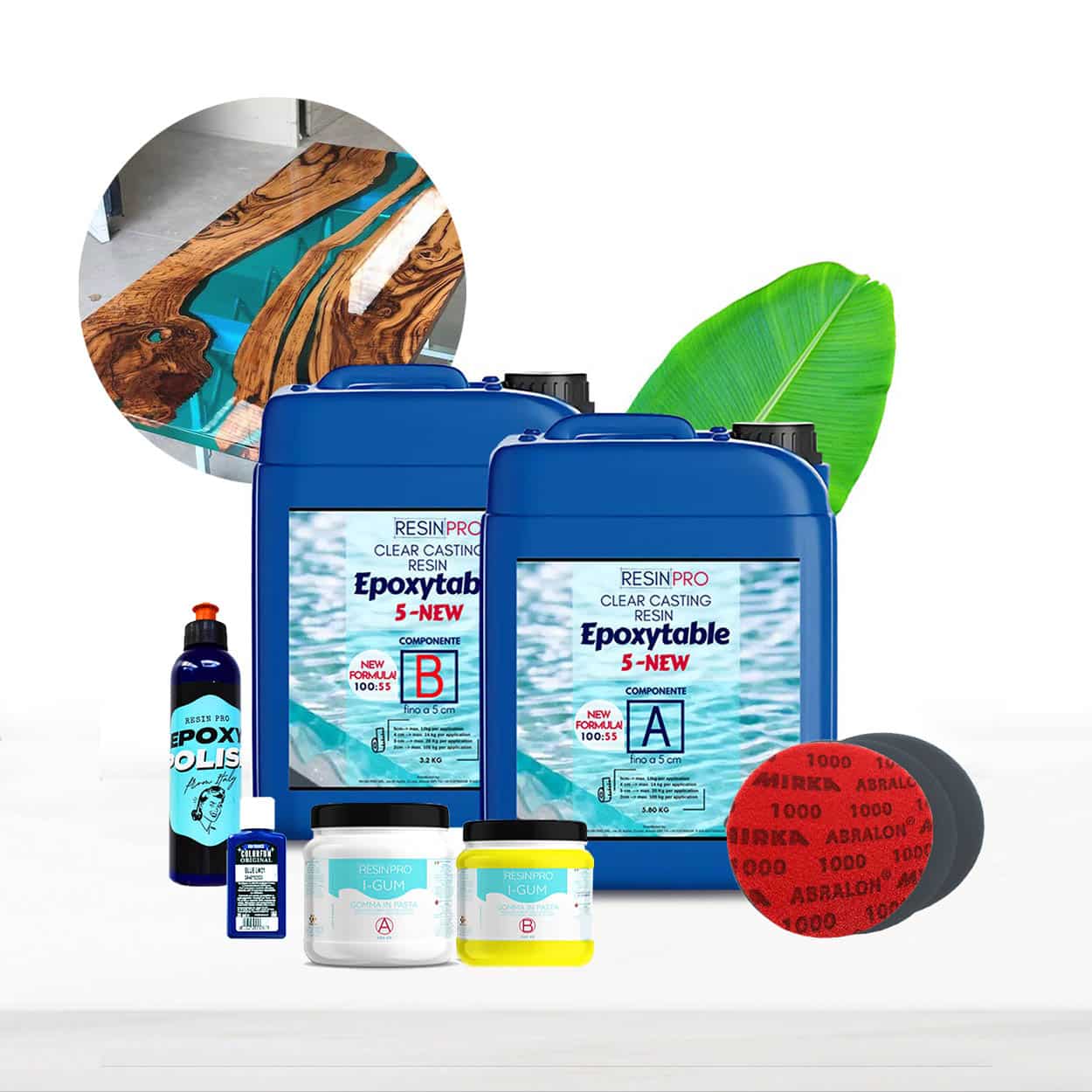
Applying resin to breathe new life into an old wooden table is a rewarding project, but the results depend greatly on how you prepare the wood. Skipping essential steps can lead to bubbles, uneven curing, or a less-than-perfect finish.
Why Proper Preparation Is Essential
Old wood is often porous, stained, or uneven, making it unsuitable for direct resin pouring. Simply applying resin over the existing surface can trap dust, produce unwanted bubbles, or result in patchy curing. Thorough preparation helps avoid these common pitfalls, ensuring your tabletop turns out smooth and glossy.
Step-by-Step: Preparing an Old Wooden Table for Resin
- Sanding: Start by sanding the tabletop to remove any finish, scratches or imperfections. This helps the resin adhere evenly.
- Cleaning: Wipe down the sanded surface to remove dust and debris. Any particles left behind can spoil the resin coating.
- Sealing: Apply a suitable sealing coat (such as a thin layer of epoxy or a compatible primer) to fill any open grain and limit air bubbles. Let it dry fully before pouring the main resin layer.
For an easier experience, the “River-Table” – Complete Kit for Creating Your First Epoxy Resin Table includes detailed instructions and all materials you need for surface prep and resin pouring.
Selecting the Right Resin for Your Project
When choosing resin, consider the thickness you require. For standard coatings up to 2cm, a product like “Trasparente” Clear Epoxy Resin is ideal. For deeper pours up to 5cm, opt for a deep pour resin such as EpoxyTable 5-Five. Always check product guidelines and stick to recommended thicknesses for best results.
When This Matters
Proper preparation and sealing are crucial if your table is made from reclaimed, particularly old, or knotty timber. Following these steps is the key to achieving a durable and beautiful resin finish.
Related products
Related guides
Taking a little extra time to prepare your old wooden table makes all the difference when working with resin. To dive deeper into the full process, see our main guide on how to put resin on a table.