 Free shipping on orders over £29,85
  Shipping Tracking!


 Google
 Facebook
← Back to How to put resin on a table?
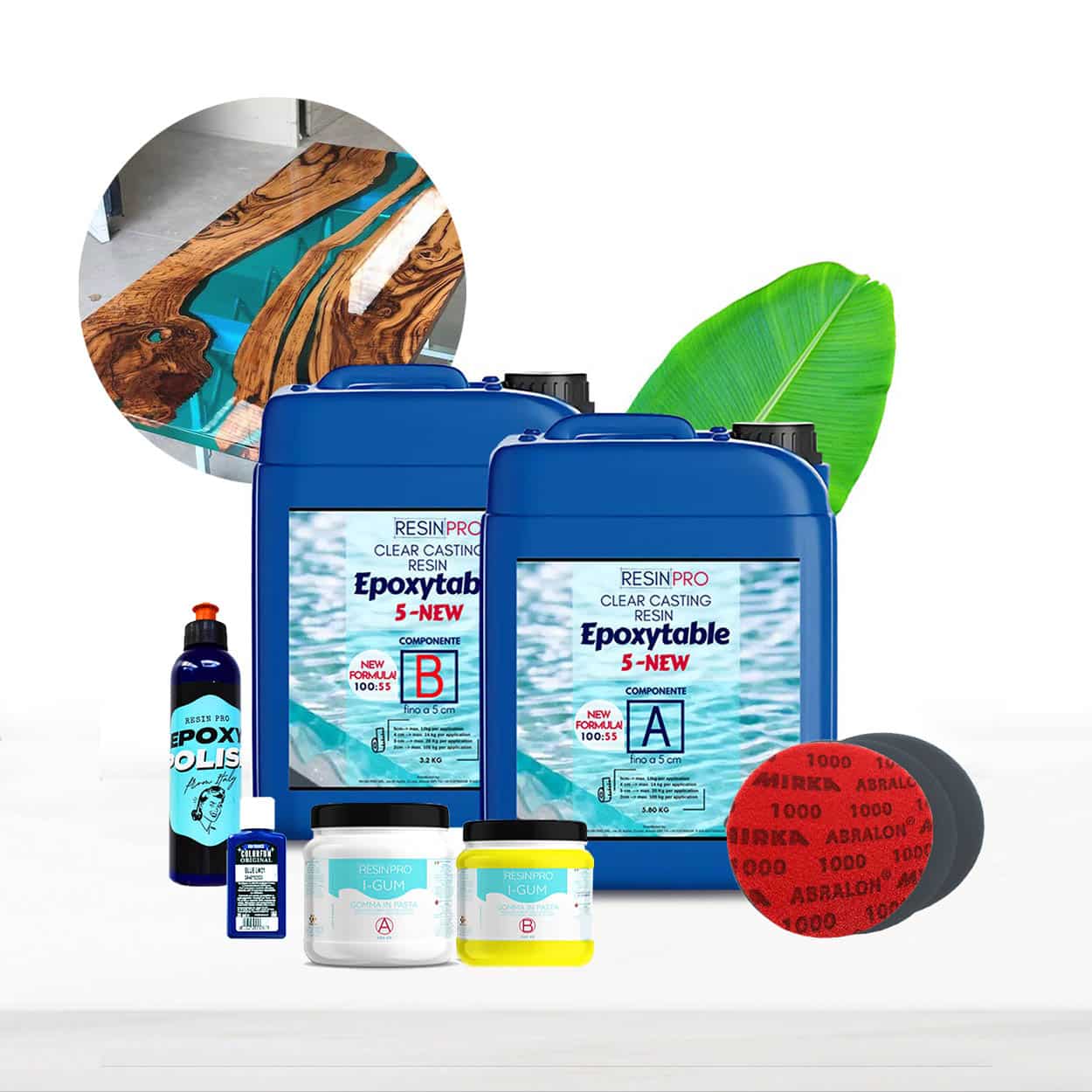
Polishing a resin tabletop is the secret to achieving that striking, glass-like shine. Whether you are finishing a new table or revitalising an older one, careful polishing elevates the look and smoothness of your project.
Preparing the Surface for Polishing
Before you start, ensure the resin surface is fully cured—this typically takes several days, but always refer to the specific product instructions. Any sanding or polishing done before the resin is completely set can damage the finish.
Clean the tabletop thoroughly to remove dust or residues. If you notice marks or imperfections, start with a fine grit abrasive (such as 1000 or 2000 grit) and work gently across the surface in a circular motion. Always keep the abrasive slightly damp to minimise fine scratches and dust.
Achieving a True Gloss with Polishing Cream
Once the surface is uniformly smooth, switch to a dedicated polishing cream made for resin or plastics. Using a soft cloth or a polishing pad, apply a small amount of cream and buff in gentle, overlapping circles. This process gradually brings out a deep, clear gloss that enhances both the look and feel of your table.
For best results, specialist kits such as the “River-Table” Complete Kit include a full set of abrasive pads and the right cream for resin surfaces, ensuring a professional finish even for beginners.
When Polishing Matters Most
- When preparing a new resin table for its first use
- To restore a shine after minor scratches or dullness appear
- To give a finishing touch before gifting or selling your project
Related products
Related guides
Polishing a resin-coated table takes a bit of patience, but the result is a show-stopping centrepiece. For more on perfecting your resin furniture, return to the full guide on how to put resin on a table.