 Free shipping on orders over £29,85
  Shipping Tracking!


 Google
 Facebook
← Back to How to put resin on a table?
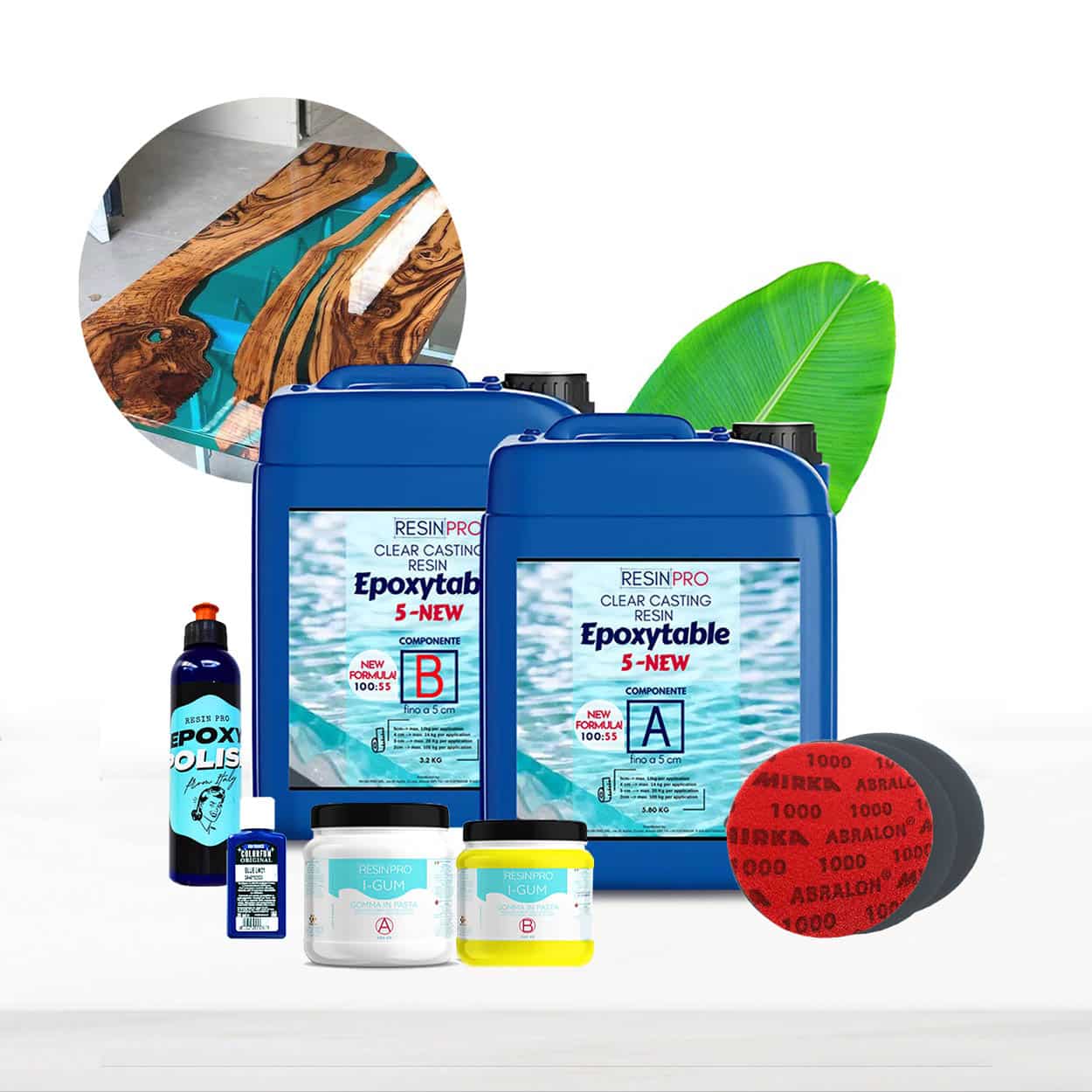
Preparing your table before pouring resin is key to a professional finish. Properly sealing the edges and repairing any surface imperfections ensures your resin will flow evenly and remain contained.
Why Sealing Edges Is Essential
Resin is a liquid that easily finds its way into even the smallest gaps. Unsealed table edges risk leaks, which can waste material and result in uneven finishes. Before pouring, make sure all outer edges—especially those between timber and any gaps—are well sealed. Products like specialised silicone sealant can help create a clean dam, making resin pours much easier to manage.
How to Fix Surface Imperfections
Small dents, cracks, or holes on a table’s surface will show through the resin layer unless they are addressed first. Sand down raised areas and fill pits or gaps with wood filler or a compatible epoxy resin. Once dry, sand smooth, as a level surface helps create a flawless resin finish with minimal trapped air. Wipe away all dust just before starting your pour.
Practical Steps and Tools
- Use a high-quality silicone sealing paste, like the one included in the River-Table Complete Kit, for reliable edge protection.
- Masking tape can be a useful backup for keeping edges tidy during sealing and pour.
- Addressing imperfections with epoxy ensures compatibility with your main pour—choose a multipurpose clear resin for small repairs.
When This Matters
Edge sealing and surface repairs are most critical for live edge tables, timber with existing splits, or reclaimed wood with old nail holes. If working with uneven surfaces or deep pours, take extra care to inspect all joints and sides before beginning.
Related products
Related guides
Attention to detail when sealing and repairing a table surface sets the stage for a successful resin project. For a complete beginner-friendly solution, consider starting with a comprehensive kit designed for resin table crafts. Find out more in our main guide on how to put resin on a table.