 Free shipping on orders over £29,85
  Shipping Tracking!


 Google
 Facebook
How do you put resin on a linoleum floor?
Step-by-step guide to coating linoleum with durable resin


Giving a linoleum floor a glossy, protective resin coating can completely transform a space with minimal disruption and long-lasting results. This guide walks you through every step of the process, focusing on achieving strong adhesion, a flawless finish, and the durability required for daily indoor use.
What You’ll Need
- “Epoxyprimer” – Universal Water-Based Two-Component Epoxy Floor Primer: Ensures strong bonding between your linoleum and resin.
- Resin & Paint Application Rollers – Short-Pile, Large, and Sponge Types: For controlled and even spread of primer and resin.
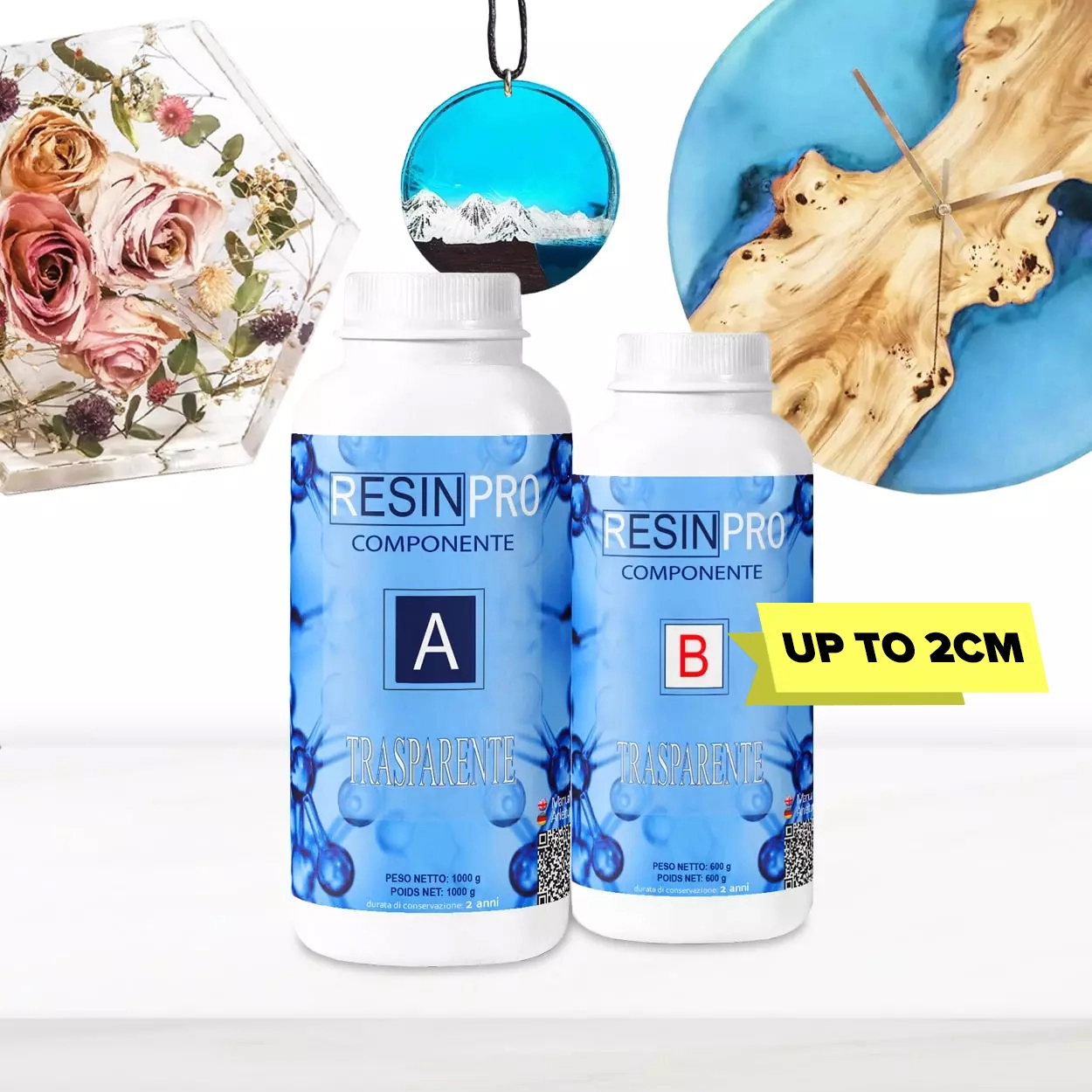
- “Trasparente” – Multipurpose Clear Epoxy Resin for Casting – Up to 2cm or “Icrystal” – Clear Epoxy Resin – Odourless Formula – Up to 1.5cm: For forming a durable, glossy top layer.
- Protective gloves, mixing sticks, and suitable cleaning agents.

Visual Guide: Resin Preparation on Linoleum
Before and after photos of linoleum floors being coated with epoxy resin underline the transformation. See detailed images of mixing, applying primer with rollers, and the curing process to boost your confidence at every stage.
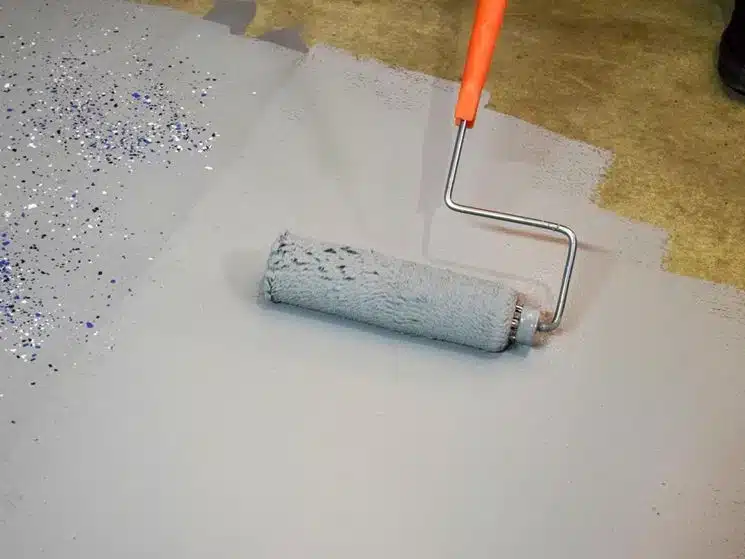
Step 1: Prepare the Linoleum Surface
Thoroughly clean and degrease the linoleum using a gentle floor cleanser to remove dirt, oils, and any old wax. Flooring that is not completely clean will prevent the resin from adhering properly. Let the surface dry fully before continuing. Remove loose edges and repair any obvious damage. If the floor is very smooth, lightly sand it for enhanced primer bonding.
Test a small hidden patch first with your chosen products to ensure compatibility and adhesion. Some older or flexible lino sheets may not bond well and this step avoids surprises.
Step 2: Apply Epoxy Primer
Shake or stir the primer thoroughly, following the manufacturer’s instructions for mixing component A and B. Using a Resin & Paint Application Roller, apply a thin, even coat of “Epoxyprimer” to the linoleum. Start from one edge and work outwards in sections, ensuring full coverage without puddling. The primer acts as a bonding agent between the smooth linoleum and the resin layer above.
Ensure the primer is fully dry and cured (usually 24–48 hours) before applying the resin. Rushing this step can result in poor adhesion and bubbles under your topcoat.
Step 3: Mix and Apply the Epoxy Resin
Select either “Trasparente” for thicker coats (up to 2cm) or “Icrystal” for up to 1.5cm. Prepare the resin by precisely measuring and thoroughly mixing the resin and hardener, taking care to scrape the sides and bottom of your mixing container to avoid unmixed patches.
Once mixed, pour the resin onto the primed linoleum and use a clean resin application roller to distribute it evenly. Work in thin, even coats to encourage self-levelling and minimise air bubbles. For best results, maintain a consistent speed and avoid overworking the resin, which may introduce bubbles or streaks. If you require a thicker finish, allow the first layer to cure completely before adding additional layers.

Step 4: Allow to Cure and Maintain
Once your resin layer is applied and evenly spread, leave the area undisturbed during the curing process—typically 24 to 48 hours for initial hardening. The floor may take several days to reach full strength. Keep the space dust-free and avoid foot traffic during this period.
Allow full curing time before placing furniture or cleaning the new surface. Afterwards, maintain the floor with gentle, non-abrasive cleaners and soft mops to preserve the shine and protective finish.
Tips and Common Mistakes to Avoid
• Avoid applying resin if the lino is uneven, curling or installed over unstable underlayers, as this can cause delamination or cracks.
• Always wear protective gloves and ventilate your workspace, even with odourless formulas.
• Mix resin components thoroughly and use the correct ratios—improper mixing is a frequent reason for sticky or soft finishes.
• Take care to prevent dust, hair, or insects from landing in uncured resin—cover as needed.
Project Showcase: Resin-Coated Linoleum Floors
Finished floor examples show the stunning finish and durability of epoxy resin on linoleum. Notice the seamless, glossy appearance achieved by proper preparation and careful resin application.

- "Epoxyprimer" – Universal Water-Based Two-Component Epoxy Floor PrimerPrice range: £148.84 through £272.45Epoxyprimer is a two-component water-based epoxy primer designed for reliable adhesion on various stable and durable floors.
- Resin & Paint Application Rollers – Short-Pile, Large, and Sponge TypesPrice range: £3.45 through £4.85Rollers designed for epoxy resin use provide precise and uniform application suitable for various resin surfaces.
- "Trasparente" – Multipurpose Clear Epoxy Resin for Casting – Up to 2cmPrice range: £8.45 through £948.85Ultra-clear multipurpose epoxy resin suitable for casting up to 2cm layers, with a glossy finish ideal for woodworking and restoration.
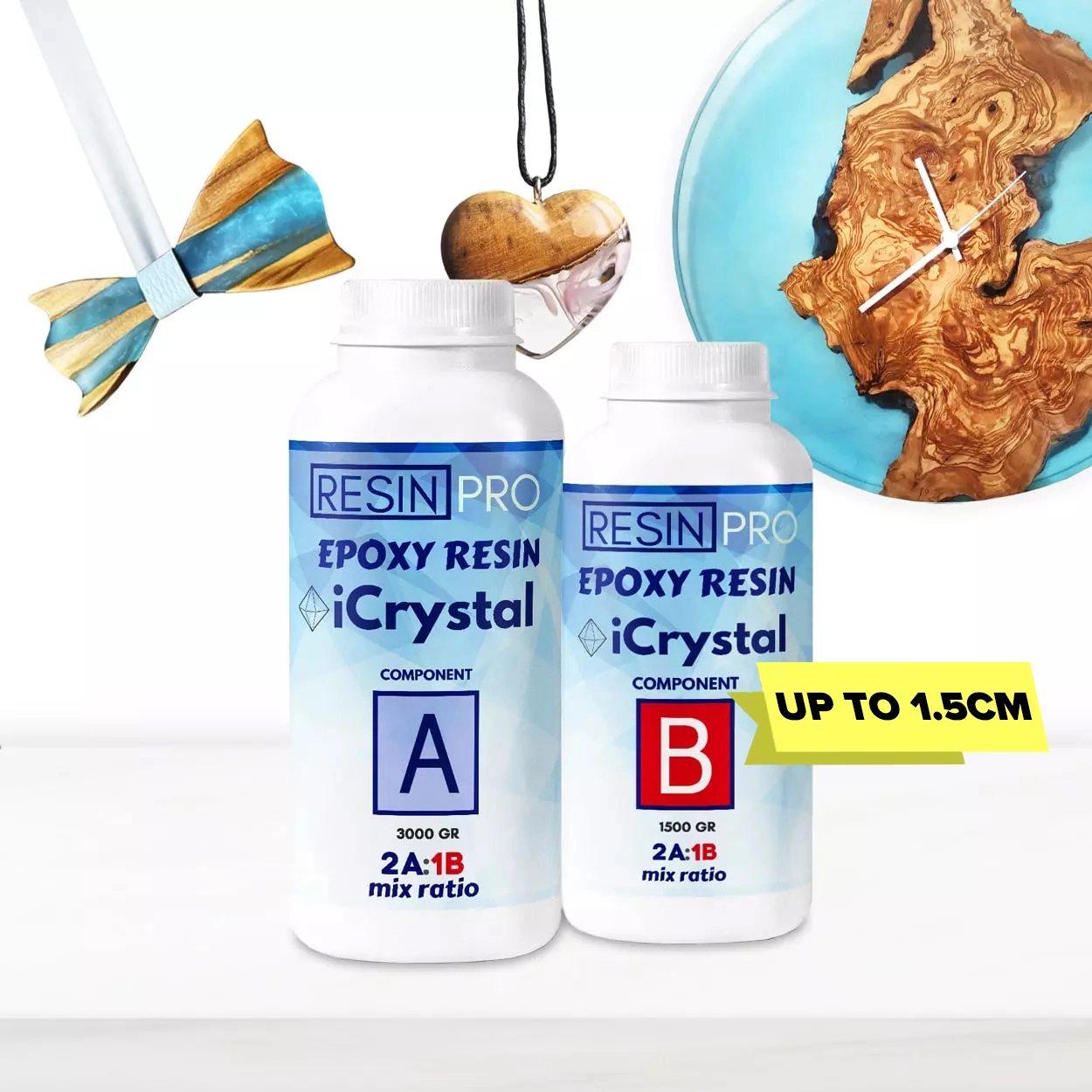 "Icrystal" – Clear Epoxy Resin – Odourless Formula – Up to 1.5cmPrice range: £11.65 through £954.85"Icrystal" Clear Epoxy Resin provides a transparent and scratch resistant coating suitable for tables and surfaces.
Frequently Asked Questions
Can you apply resin directly to a linoleum floor?
Linoleum must be well prepared and primed for successful resin adhesion; direct application without a primer risks peeling.
How do you prepare linoleum for epoxy resin?
Thoroughly clean, degrease and, if possible, lightly sand the surface. Always use a compatible primer before resin application.
What roller should I use for resin floors?
A short-pile or sponge roller is ideal for spreading resin evenly and achieving a self-levelling finish on floors.
How long should I wait after applying primer before resin?
Most primers require 24–48 hours to fully cure on linoleum prior to resin application.
Should I use Trasparente or Icrystal on lino floors?
Choose Trasparente for thicker layers up to 2cm or Icrystal for up to 1.5cm. Both provide a glossy, scratch-resistant finish.
Does epoxy resin work on old or curled linoleum?
Bonding may fail on unstable or curling linoleum. Always repair and stabilise flooring before starting the resin process.
How do you clean resin-coated linoleum floors?
Use soft mops and mild, non-abrasive cleaners to maintain the shine and prevent surface scratches.