 Free shipping on orders over £29,85
  Shipping Tracking!


 Google
 Facebook
How do you apply resin to bathroom walls?
Step-by-step guide for waterproof, decorative wall finishes
Applying resin to bathroom walls is an excellent way to achieve a seamless, waterproof, and contemporary finish—ideal for both renovations and new projects. This practical guide will walk you through each stage, from surface preparation to finishing, ensuring your bathroom walls are both durable and visually striking.
What You’ll Need
- “Epoxyprimer” – Universal Water-Based Two-Component Epoxy Floor Primer: For ensuring sound adhesion on tiled, concrete, or wooden surfaces.
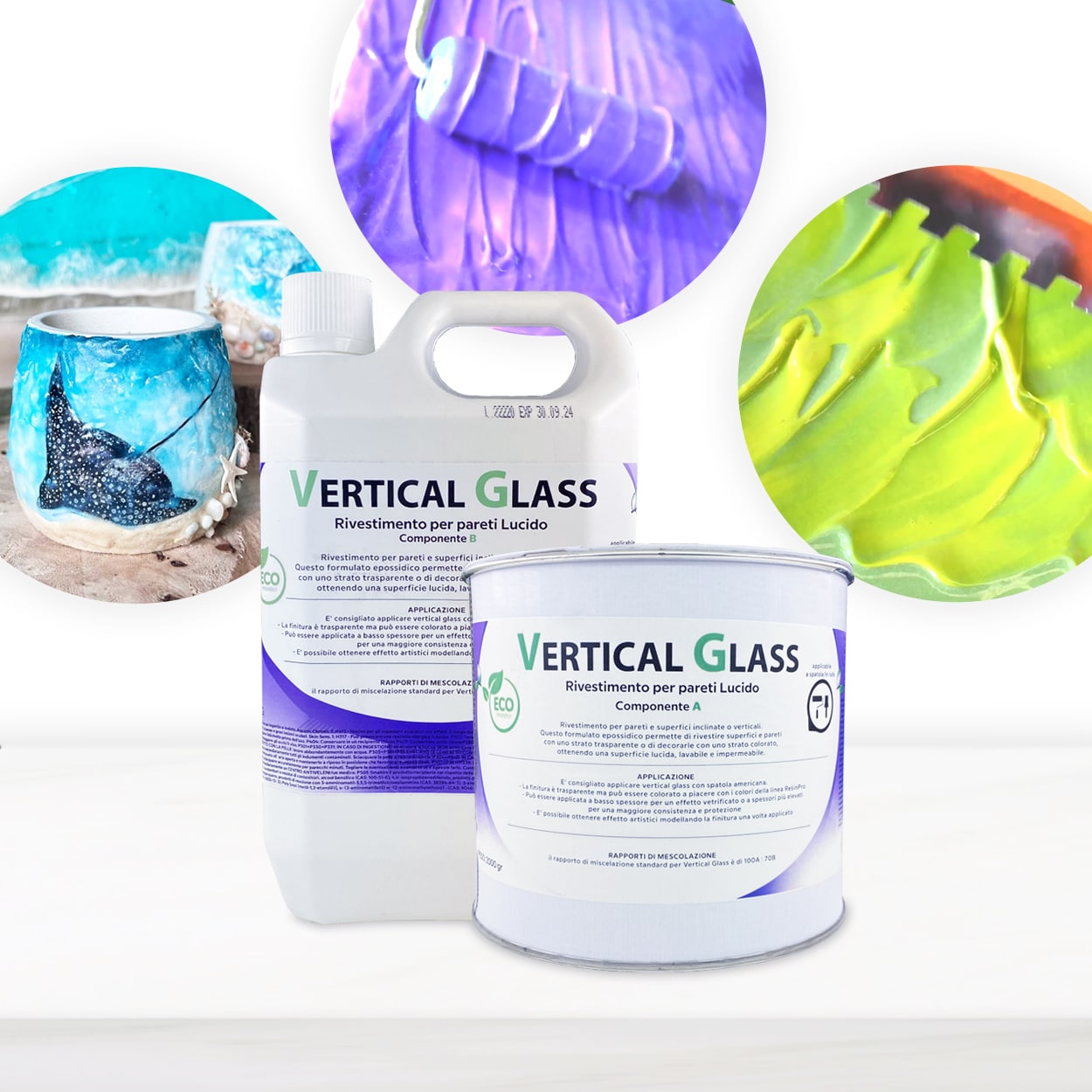
- “Vertical Glass” – Thick Resin Decorative Wall Coating: For a customisable, protective, and moisture-resistant wall finish.
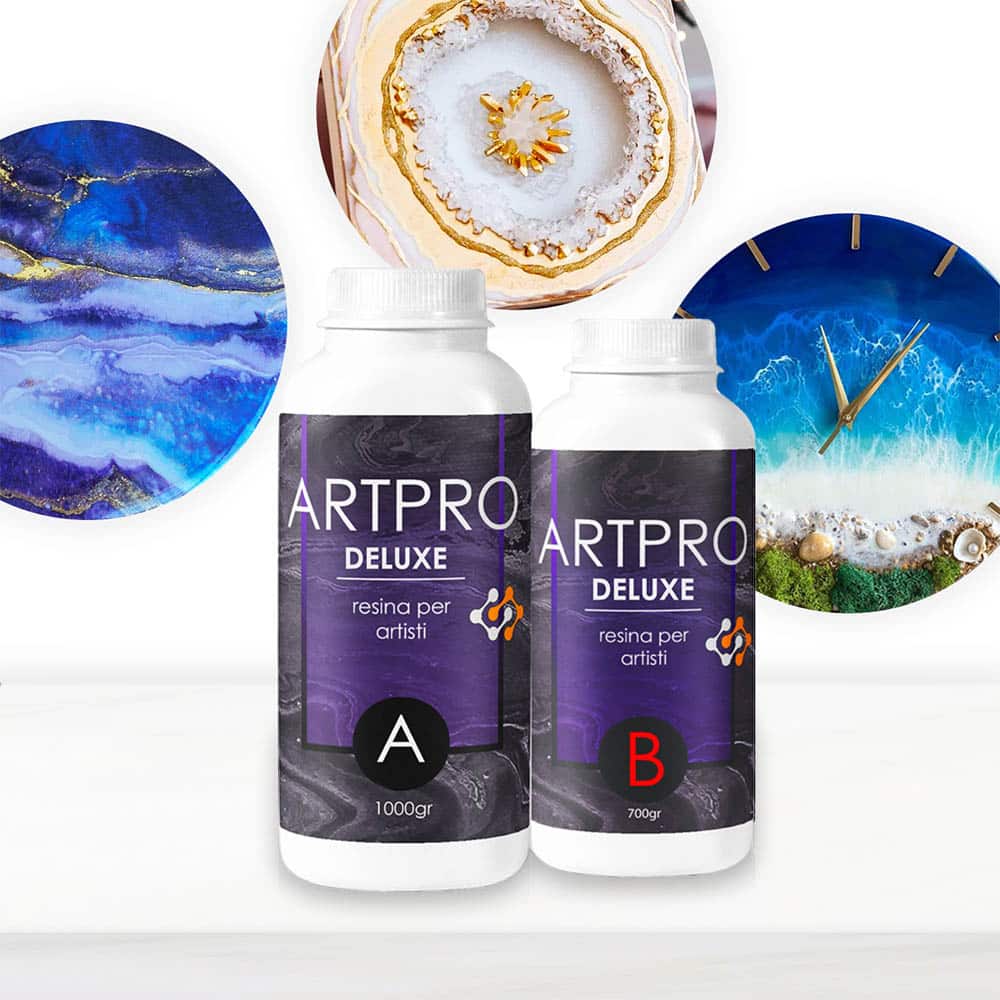
- “Art Pro” – Clear Epoxy Resin for Artists and Surface Coating: (Optional) To achieve clear or artistic finishes in decorative applications.
- Protective equipment: Gloves, mask, goggles
- Spatula, roller, or wide brush
- Sandpaper or sanding block
- Mixing containers and accurate scales
- Clean cloths and mild detergent
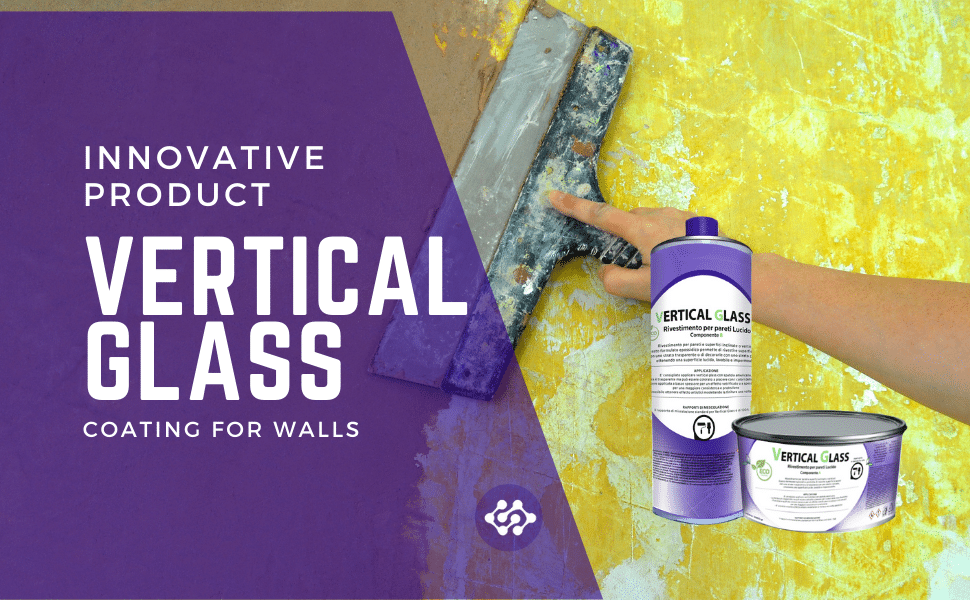
Visual Inspiration: Stylish Resin Bathroom Walls
See how creative homeowners and professionals use resin-based finishes to transform ordinary bathroom walls into contemporary waterproof spaces. Explore finishes that range from minimalist glass-effect to shimmering metallics, and discover the style that fits your vision.
Step 1: Prepare the Surface Thoroughly
Proper wall preparation is key. Begin by cleaning the bathroom walls to remove soap residue, grease, or any loose materials. Use a mild detergent and a damp cloth, making sure the surface is completely dry before proceeding. For tiled or glossy surfaces, lightly sand with a fine-grit sandpaper to create better mechanical adhesion so the primer and resin cling securely.
Check for cracks or joints in the substrate, filling them with a suitable epoxy or filler if needed. Ensure all repairs are allowed to dry and cure before moving forward.
To promote outstanding adhesion, a dedicated surface primer is essential, particularly for old tiles or cementitious substrates. “Epoxyprimer” – Universal Water-Based Two-Component Epoxy Floor Primer is ideal—apply a thin, even coat with a roller or brush and allow it to cure as per the manufacturer’s instructions (typically 24–48 hours).
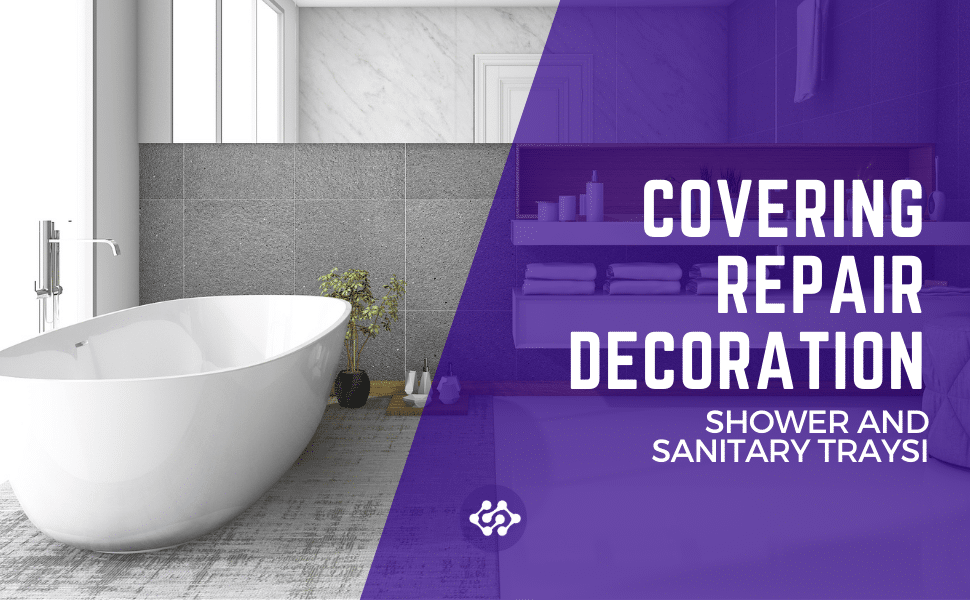
Step 2: Mix and Tint Your Resin
Once your primer has fully cured, you’ll be ready to prepare the resin. Carefully follow the resin’s mixing instructions, measuring by weight for accuracy. Whether using a clear formula or adding pigment, meticulous mixing is crucial for consistent results—avoid rushing this step to prevent bubbles and patchiness later.
Resins such as “Vertical Glass” – Thick Resin Decorative Wall Coating can be tinted with a wide range of pigments, including metallic or pearl effects if desired. Mix thoroughly until colour is fully uniform, and only prepare as much as you can apply in one session to avoid premature curing.
Step 3: Apply Resin to the Walls
Apply resin in thin, controlled layers for best adhesion and an even, decorative finish. Using a spatula, wide brush, or roller, spread the resin from the top down, making sure each area is evenly coated before moving on. If you aim for a smooth, vitrified look, a thin layer (1–2 mm) suffices; for more robust protection, opt for a slightly thicker application—never exceeding the recommended max thickness per coat.
The non-drip, high-viscosity properties of specialist wall resins prevent sagging, which is vital for vertical or sloping surfaces. For especially creative finishes, you can blend or transition colours with care, working methodically to avoid streaks and overlap lines.
If you’re seeking a glassy, UV-stable or artistic result, “Art Pro” – Clear Epoxy Resin for Artists and Surface Coating also offers great clarity and workability for the final finish or delicate inlays.
Step 4: Cure, Finish, and Maintain
Allow each resin coat to cure fully before exposing the walls to water or steam—typically 24–48 hours at room temperature. Ventilate the room well to aid curing and keep dust away during this critical period. For a satin or soft-touch effect, most resin wall finishes can be lightly sanded after curing.
Ensure complete curing before exposure to moisture. Once hardened, maintenance is straightforward: clean with a soft cloth and a mild detergent, avoiding abrasive pads or harsh chemicals for lasting brilliance.

Tips, Common Mistakes, and Troubleshooting
Choose the right resin for your effect—not all products are suitable for vertical use or high moisture. Avoid overloading resin in one coat to prevent sagging and prolonged cure times. Mixing errors often lead to sticky-soft patches, so always use precise ratios and mix thoroughly.
Work in manageable sections, keep tools clean, and always follow the safety guidance for indoor ventilation and protective wear to ensure a professional finish and a safe working environment.
Spotlight: Special Effects and Colour Options
Custom tints and metallic pigments can be added to your chosen wall resin for dramatic or subtle effects. Test a sample on a small area to confirm your colour, reflection, and overall look before covering the entire wall.
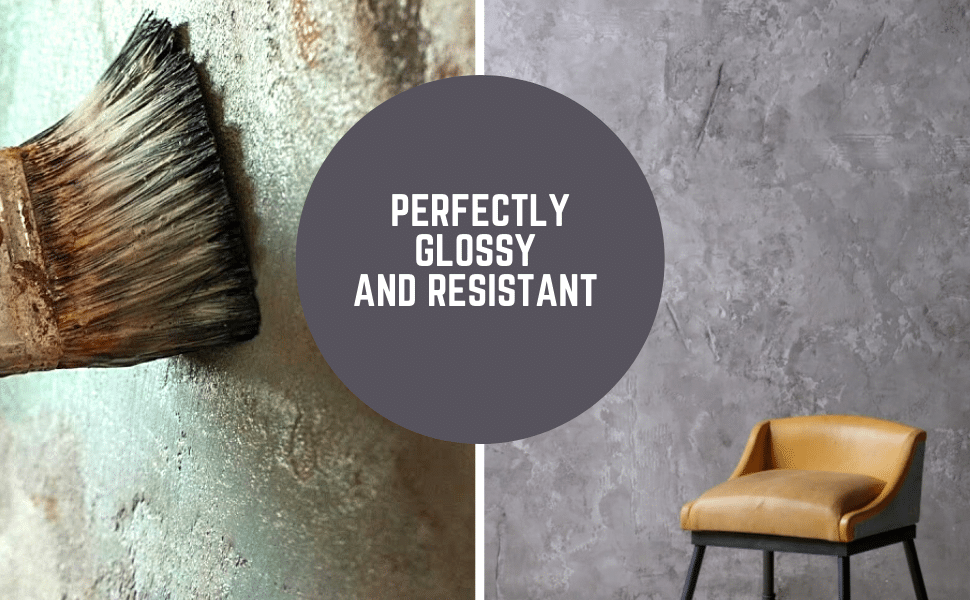
- "Vertical Glass" – Thick Resin Decorative Wall CoatingPrice range: £128.85 through £179.85Vertical Glass offers a customisable, waterproof epoxy coating suitable for vertical and sloping surfaces in interior settings.
- "Art Pro Deluxe" – Ultra-High Viscosity Epoxy Resin for ArtistsPrice range: £33.85 through £287.85Art Pro Deluxe is an ultra-high viscosity epoxy resin for artists, offering precise line control and a glossy, scratch-resistant finish.
 "Epoxyprimer" – Universal Water-Based Two-Component Epoxy Floor PrimerPrice range: £148.84 through £272.45"Epoxyprimer" is a water-based two-component epoxy floor primer designed for reliable adhesion on various surfaces such as concrete and tiles.
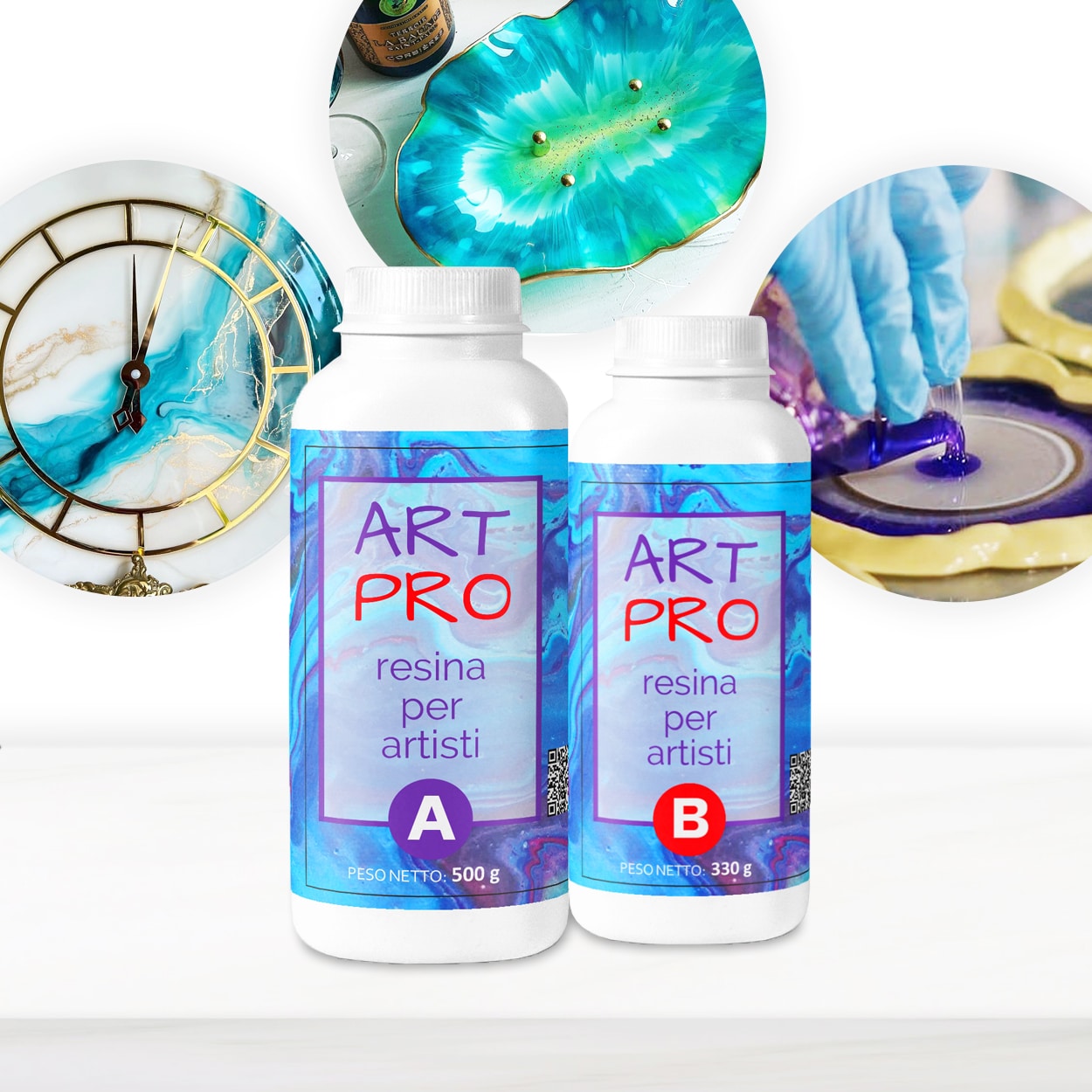 "Art Pro" – Clear Epoxy Resin for Artists and Surface CoatingPrice range: £31.15 through £388.85Art Pro clear epoxy resin is suitable for artists and DIY enthusiasts seeking glass-like finishes with UV protection and easy mixing.
Frequently Asked Questions
How should I prepare bathroom walls for resin?
Clean and dry the surface thoroughly, sand glossy areas lightly, and use a compatible primer for best adhesion.
When can I use the bathroom after resin application?
Wait until the resin is fully cured, usually 24-48 hours. Avoid exposing the surface to steam or water before then.
What type of resin works best for bathroom walls?
Choose a high-viscosity wall resin or coating formulated for vertical, moisture-prone surfaces for optimal results.
Can I apply resin over existing tiles?
Yes, with proper cleaning, sanding, and priming, resin can be applied directly over tiles for a seamless finish.
How do I maintain resin bathroom walls?
Clean with a soft cloth and mild detergent—avoid abrasives to keep the surface glossy and free from scratches.
What if I spot bubbles or streaks after curing?
Most minor defects can be sanded smooth and recoated. Always address bubbles during application to minimise rework.