 Free shipping on orders over £29,85
  Shipping Tracking!


 Google
 Facebook
How to put resin on a violin bow?
Step-by-step advice for coating violin bows with resin.
Applying resin to a violin bow can be essential for restoration, preservation, or artistic enhancement, but it requires careful technique to avoid damaging fragile components and to ensure a smooth, lasting finish. This guide details each stage, from preparation to application, to help you achieve professional results whether you’re repairing wood, decorating, or reinforcing the bow structure.
What You’ll Need
- EpoxyWood – Wood Restoration Epoxy Resin for Deep Penetration and Waterproofing – for reinforcing and sealing wooden bows, especially if structural integrity or waterproofing is needed.
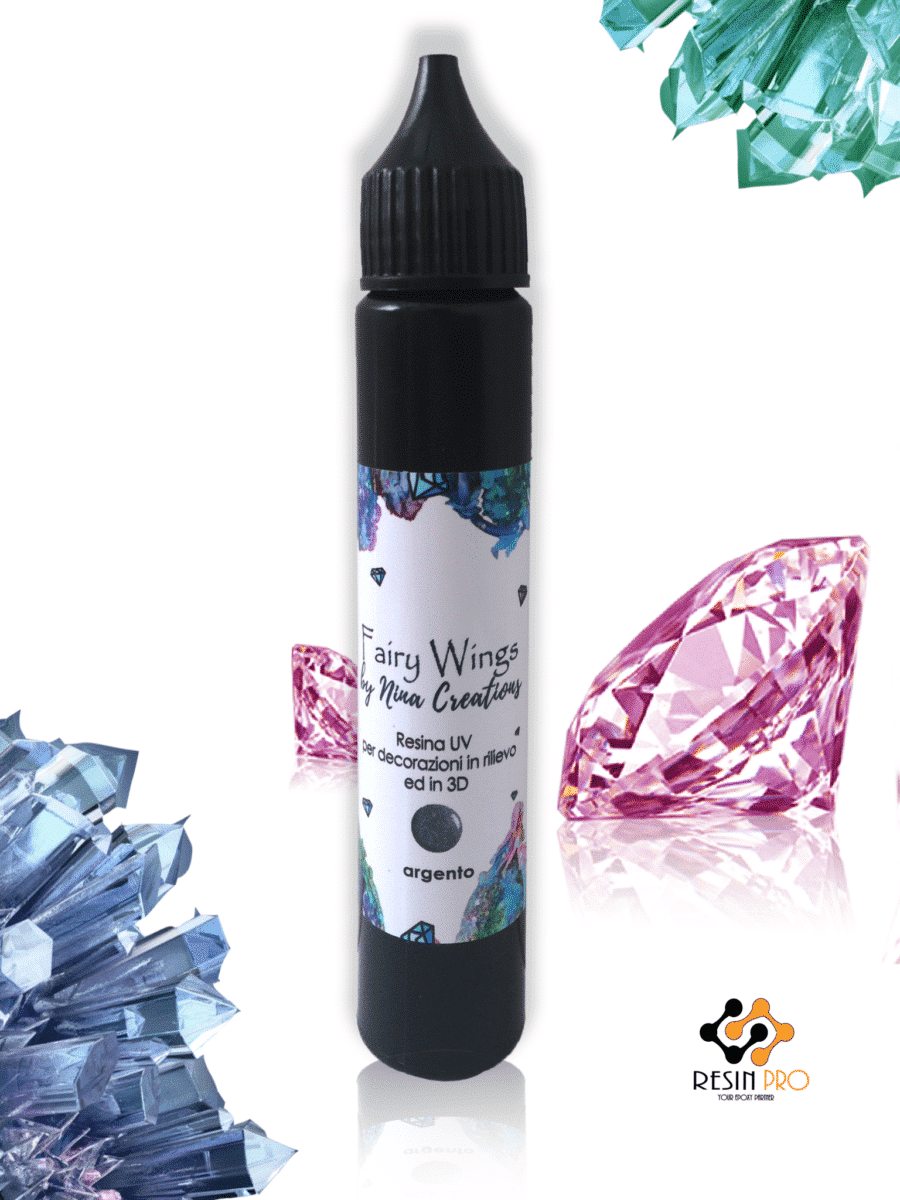
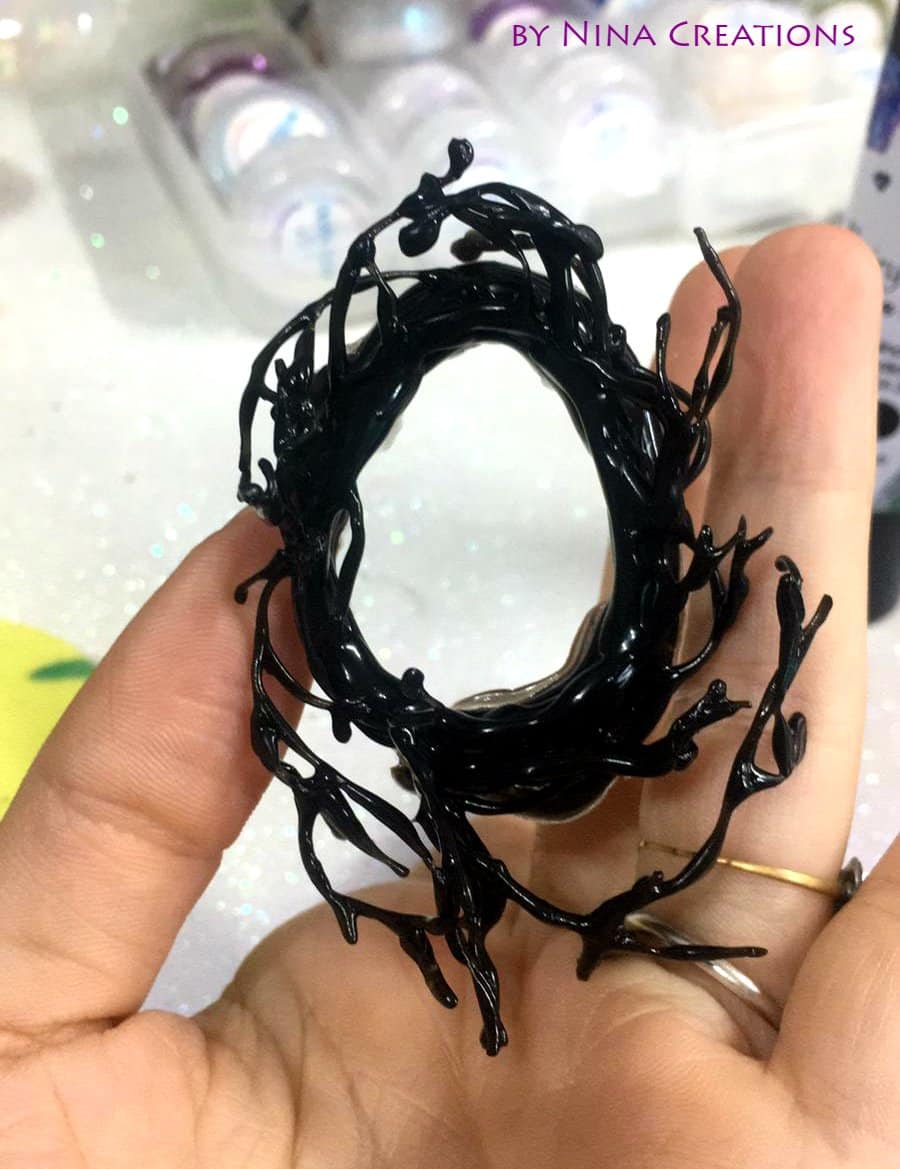
- “Fairy Wings” – UV Resin for Volumetric Reliefs, Dual Colour, 30ml – ideal for adding decorative 3D effects or fine embellishments in small, creative applications.
- Lint-free cloths
- Fine sandpaper (400–800 grit)
- Masking tape
- Disposable gloves and protective eyewear
- UV lamp (for UV resin application)
- Small brush or applicator stick
Essential Preparation Tools and Workspace
Set up your work area before starting. Lay down protective coverings, organise your materials, and make sure you have all necessary tools at hand. Good lighting is crucial for spotting any imperfections on the bow surface. Prepare all safety gear—such as gloves, goggles, and masks—to minimise dust and fume exposure during resin application.

Step 1: Prepare the Violin Bow Surface
Proper preparation is vital. Begin by removing any dust or rosin residue from the bow using a soft, lint-free cloth. For older bows or those with surface imperfections, use fine sandpaper to gently smooth the wooden area where resin is to be applied. Avoid sanding too vigorously, as bows are delicate and too much abrasion can affect their performance and appearance. Mask off any areas not to be coated, especially hair and fittings, to prevent accidental resin contact.
Always test the resin on a sample surface or area first. This ensures compatibility and avoids surprises during the main application.
Step 2: Mix and Select Your Resin
If your goal is structural reinforcement and waterproofing, select a wood-penetrating formula like EpoxyWood. Carefully follow the product’s mixing instructions for correct ratios and uniform blending. For creative embellishments or thin, decorative surface layers, “Fairy Wings” – UV Resin is suitable thanks to its ready-to-use formulation. Shake or stir gently to ensure consistency, but avoid introducing bubbles.
Ensure all tools and containers are clean and dry to prevent contamination.
Step 3: Apply the Resin Evenly
For deep wood protection, use a fine brush or applicator to apply a thin, even coat of EpoxyWood resin to the bare wooden surface. Allow the resin to penetrate the wood naturally; do not overload the brush, as excess resin can drip or pool. Wait for the surface to absorb the resin before applying a second coat if deeper reinforcement is necessary.
For decorative reliefs or accent touches, use a small detail brush to place “Fairy Wings” – UV Resin precisely where desired. Avoid brushing over bow hair, and work methodically to maintain control.

Step 4: Cure and Finish the Coating
Allow the resin to cure per the manufacturer’s recommended timeline. For UV resin, use a UV lamp, directing it over the applied area for 3–5 minutes until set. EpoxyWood will air cure, typically requiring several hours for touch-dry and up to a full day for complete hardening. Avoid touching or moving the bow during this stage to maintain a smooth, dust-free finish.
Work in a dust-free, well-ventilated environment. This prevents airborne particles settling on the resin and ensures safe application.

Tips, Common Mistakes, and Troubleshooting
Do not attempt to coat over dirt or old rosin, as this may result in uneven adhesion or cloudiness. Thin layers are best, especially for fine bows; thick applications can affect weight and flexibility. Always check the manufacturer’s health and safety guidelines when working with resins, especially if using products containing isocyanates or requiring UV curing.
Never rush the curing process. Allowing adequate time between coats and full hardening ensures optimal protection and finish quality.
Finishing Touches for a Smooth Resin Coating
Inspect the finished bow in natural light. If you see any dust inclusion or imperfections, super-lightly sand and reapply a micro-layer of resin as needed. Thorough cleaning with a lint-free cloth after curing maintains both the resin’s clarity and the bow’s handling characteristics. Store your bow in a protective case at room temperature for best longevity.

- "Fairy Wings" – UV Resin for Volumetric Reliefs, Dual Colour, 30mlOriginal price was: £15.15.£2.85Current price is: £2.85."Fairy Wings" UV Resin is a ready-to-use acrylic gel for detailed 3D patterns. Suitable for crafting precise volumetric reliefs.
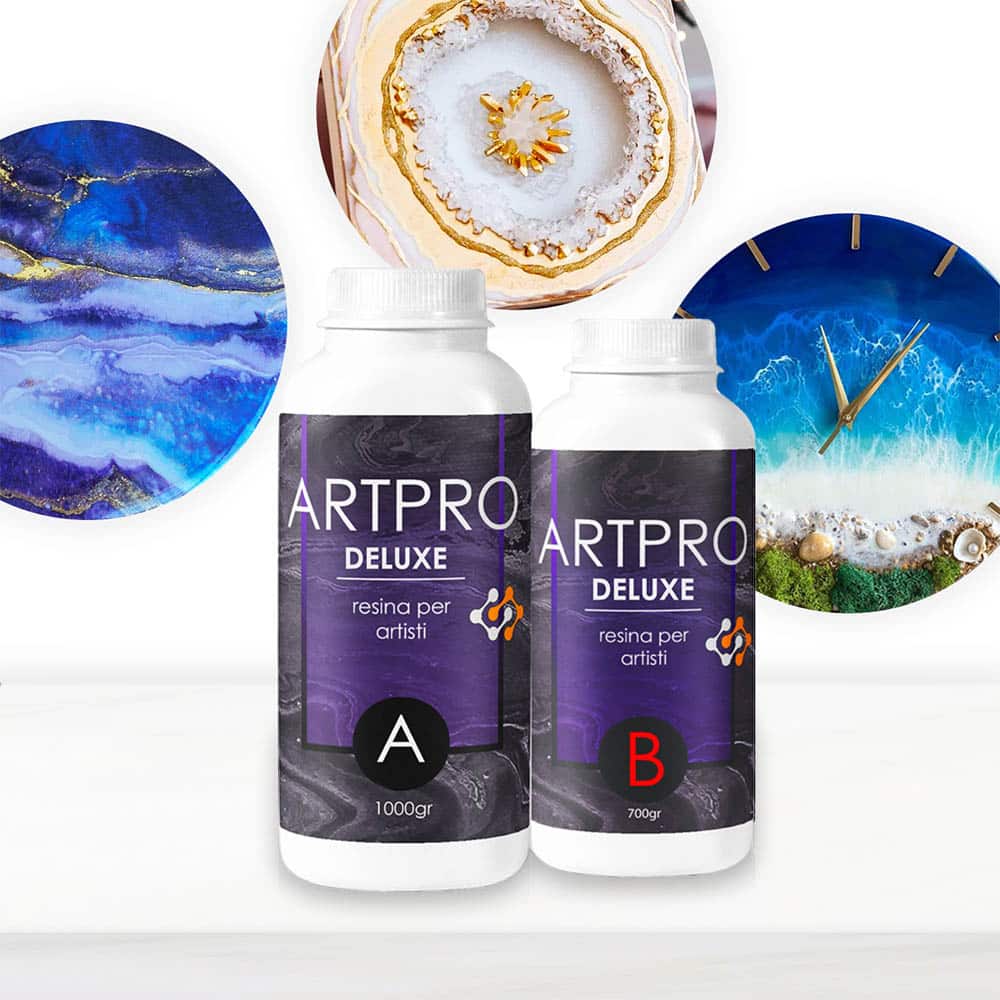
- "Art Pro Deluxe" – Ultra-High Viscosity Epoxy Resin for ArtistsPrice range: £33.85 through £287.85"Art Pro Deluxe" is an ultra-high viscosity epoxy resin offering precise control for artists seeking clear, scratch-resistant finish layers.
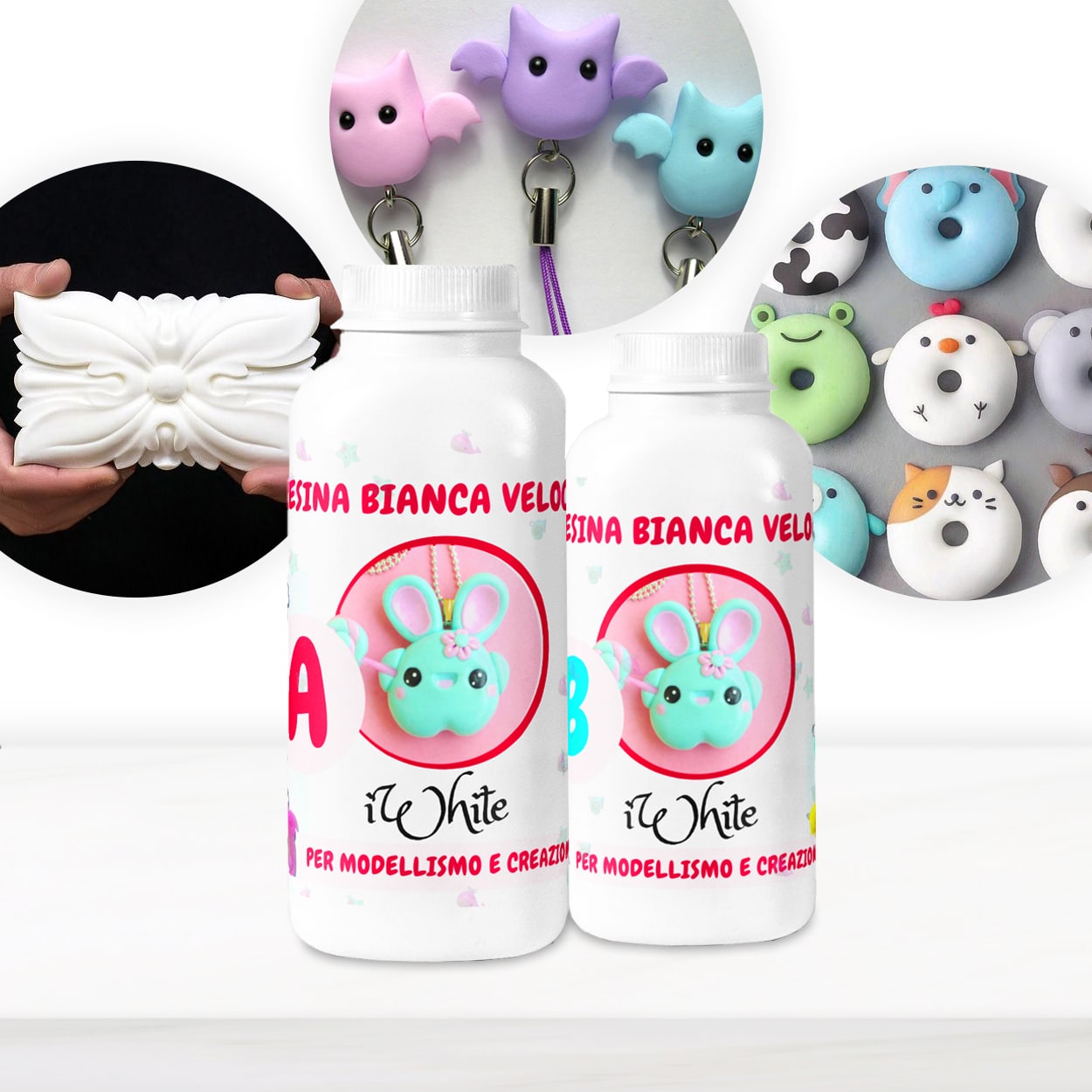 “IWhite” – Polyurethane Casting Resin – White, Fast-Curing Two-Part SystemPrice range: £22.85 through £34.85IWHITE White Polyurethane Casting Resin is suitable for fast prototyping and detailed moulding in line with the theme of applying resin on a violin…
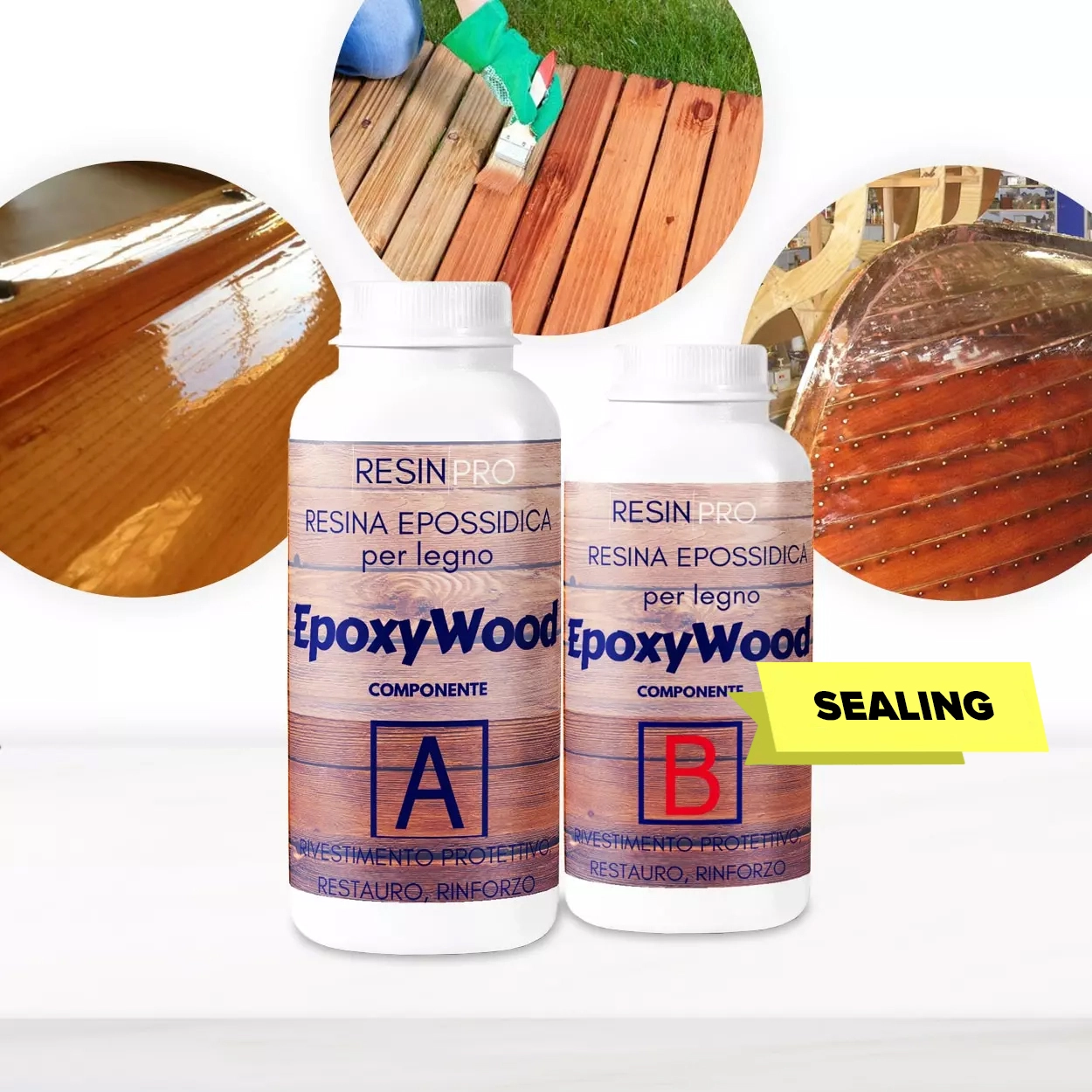 "EpoxyWood" – Wood Restoration Epoxy Resin for Deep Penetration and WaterproofingOriginal price was: £64.00.£39.85Current price is: £39.85."EpoxyWood" is designed for wood restoration with deep penetration and waterproofing suitable for repair projects.
Frequently Asked Questions
Can you use resin to repair a violin bow?
Yes, certain resins can reinforce and seal wooden parts of a violin bow, but avoid coating the bow hair.
What type of resin should I use for a wooden bow?
A deep-penetrating epoxy such as EpoxyWood is best for protecting and reinforcing the wood.
How long does violin bow resin take to cure?
UV resins cure within minutes under a UV lamp; most epoxies take several hours to a full day to fully set.
Can I add decorative designs to my bow with resin?
Yes, UV resins like "Fairy Wings" allow for precise, decorative applications and volumetric effects.
Is resin safe for use on musical instruments?
Yes, when applied correctly and only to non-moving, non-acoustic wooden areas, resin can safely protect and decorate a bow.
What’s the best way to apply resin to a delicate bow?
Work slowly with very thin coats and mask off sensitive areas to maintain the bow's original feel and balance.