 Free shipping on orders over £29,85
  Shipping Tracking!


 Google
 Facebook
← Back to How to apply resin to a wooden boat?
When restoring or repairing a wooden boat with resin, it’s important to mix only what you can use at a time. Working in smaller batches helps you deliver a smooth application while minimising unnecessary wastage.
Why Mixing Small Batches Makes Sense
Resin has a limited working time once mixed, and can begin to harden sooner than expected, especially in warm conditions. Mixing a large amount at once risks having leftover resin cure in the pot before you are ready to apply it. By preparing smaller quantities, you can work at your own pace, ensuring each coat or layer is applied effectively without stress or waste.
Practical Tips for Better Results
- Plan your work area: Keep everything clean and accessible so you can apply mixed resin promptly.
- Pre-measure components: Use accurate scales or measuring cups to ensure the right resin-to-hardener ratio.
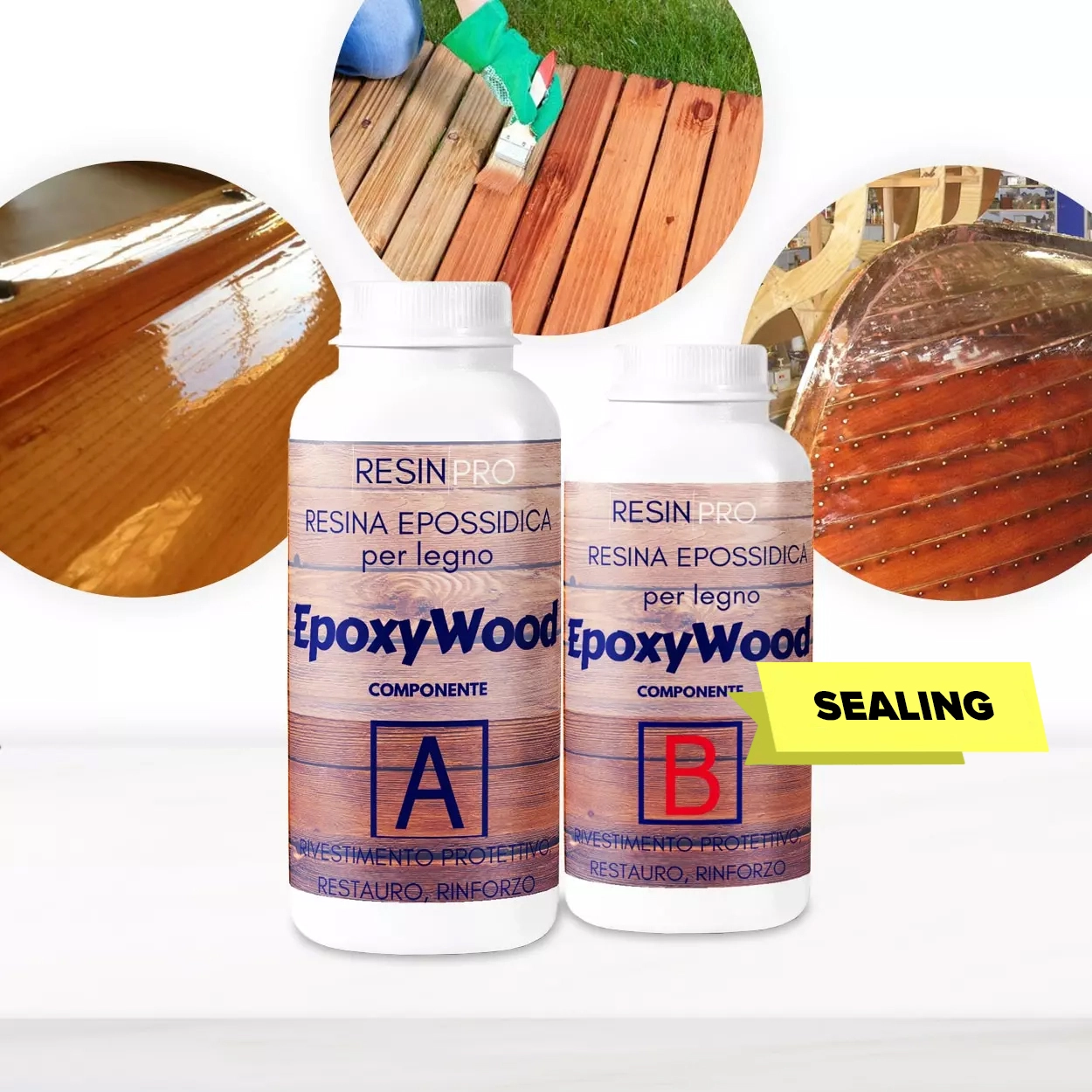
- Apply steadily: Complete each section before mixing more resin. This keeps batches fresh and workable, such as when sealing tricky areas with EpoxyWood or handling repairs with the Resin Fibreglass Repair Kit.
When This Matters Most
Mixing small batches is especially important for boat owners tackling large restoration jobs over several sessions, or when temperatures fluctuate. It’s also useful for intricate details where precise control counts, like adding a clear protective layer using a product such as “Icrystal” epoxy resin.
Related products
Related guides
By mixing resin in manageable amounts, you save on material and avoid rushed applications—making every step of your wooden boat project more efficient and cost-effective. For more advice on resin use and tips for boat restoration, see our main guide: How to apply resin to a wooden boat?