 Free shipping on orders over £29,85
  Shipping Tracking!


 Google
 Facebook
How to apply resin to a wooden boat?
Step-by-step guide to waterproof and restore your craft


Giving your wooden boat a durable, waterproof finish is essential for long-term performance on the water. This guide walks you through each stage of applying resin to a wooden boat, from preparation to the final curing. Whether you’re repairing, restoring, or maintaining your marine craft, following these steps will help you achieve a resilient and attractive outcome ready to withstand the elements.
What You’ll Need
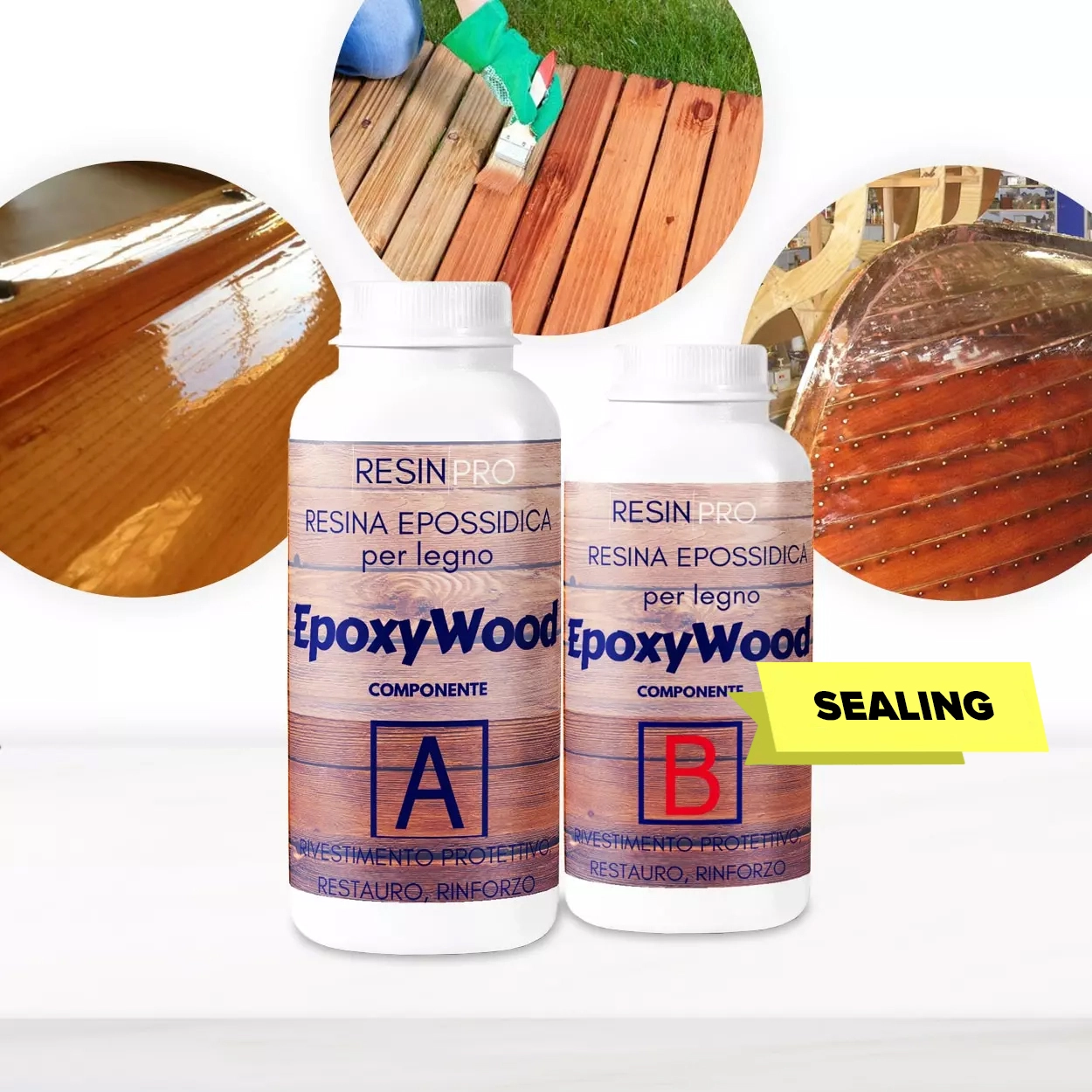
- “EpoxyWood” – Wood Restoration Epoxy Resin for Deep Penetration and Waterproofing: Deeply penetrates and waterproofs wood hulls.
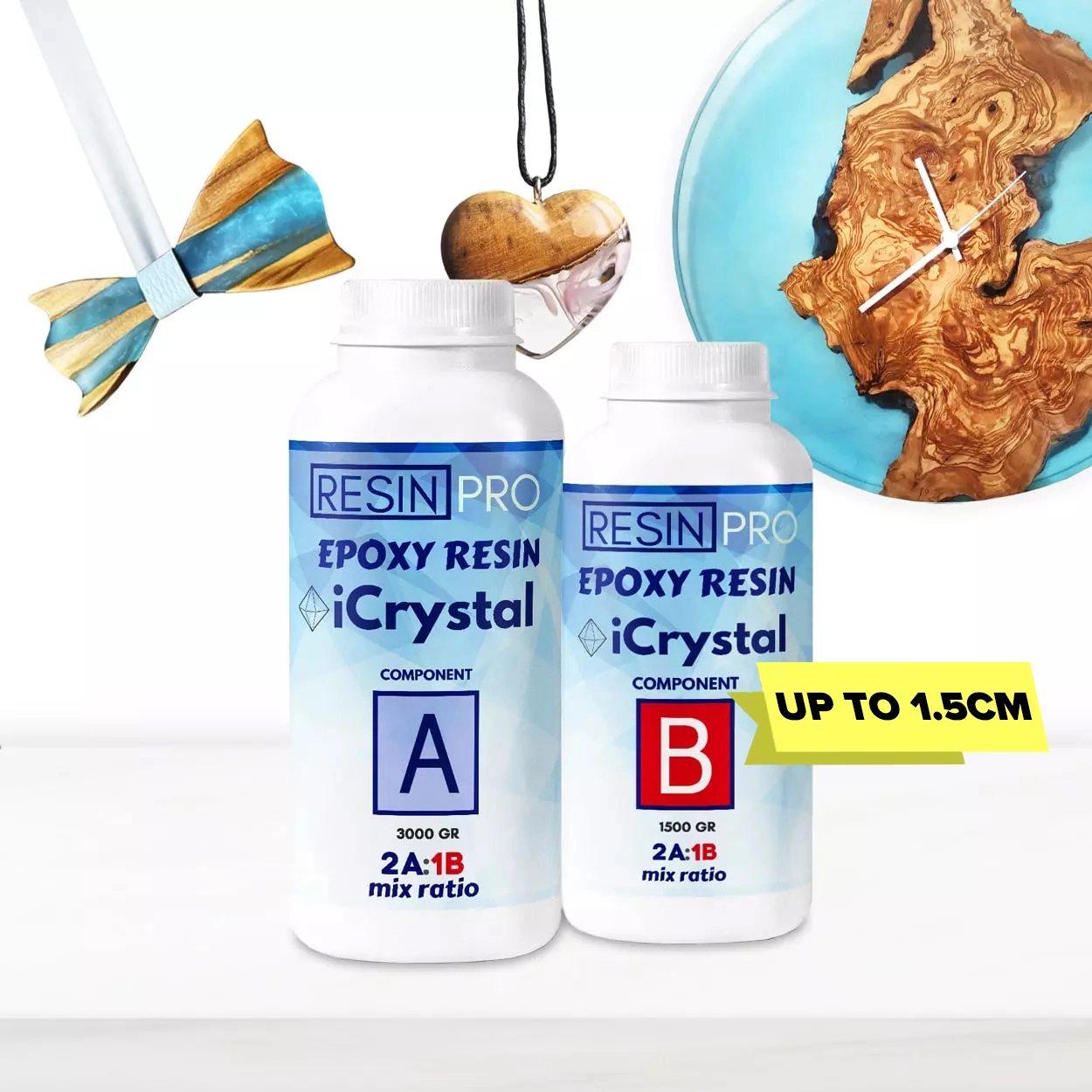
- “Icrystal” – Clear Epoxy Resin – Odourless Formula – Up to 1.5cm: For clear topcoats or fine touch-ups.
- “Trasparente” – Multipurpose Clear Epoxy Resin for Casting – Up to 2cm: Suitable for thicker layering or casting needs.
- Resin Fibreglass Repair Kit – Complete Polyester Resin and Hardener Set: For structural reinforcement and repairs.
- Protective gloves, safety goggles, and respiratory protection
- Sandpaper (various grits)
- Clean, lint-free cloths
- Mixing containers and sticks
- Application brushes or rollers
- Masking tape (optional for neat edges)
Choosing the Right Resin for Boat Restoration
Selecting a resin suited for marine use is crucial for long-lasting repairs and waterproofing. “EpoxyWood” is engineered for deep wood penetration, while “Icrystal” and “Trasparente” deliver finishing clarity. For structural integrity, a Resin Fibreglass Repair Kit is indispensable in marine repairs.
Step 1: Prepare the Wooden Surface
Before applying any resin, the wooden surface must be completely clean, dry, and free of contaminants. Remove old varnish, paint, or previous coatings through sanding, starting with coarse grit and progressing to finer grades. Pay special attention to areas showing rot or damage – these must be fully removed and repaired.
After sanding, use a vacuum or a damp, lint-free cloth to eliminate all dust and debris. Ensuring a dust-free, dry surface is critical for optimal resin adhesion. Mask off any fixtures, fastenings, or areas not intended for coating with masking tape for a tidy job.
Sand thoroughly for optimal resin adhesion and double-check for any lingering moisture; even slight dampness can lead to resin curing issues.
Step 2: Mix and Apply Penetrating Resin
Begin by mixing your chosen resin according to the manufacturer’s instructions. For deep waterproofing and reinforcement, a product such as “EpoxyWood” – Wood Restoration Epoxy Resin for Deep Penetration and Waterproofing is especially effective, thanks to its ultra-low viscosity and ability to soak into wood fibres. Prepare small batches to avoid premature curing and waste.
Wearing gloves and working in a well-ventilated space, use a clean brush or roller to apply the resin, working it into the grain for maximum penetration. Focus on joints, seams, and any end-grain areas where water seepage is most likely to occur. Remove any excess resin with a dry brush or cloth to prevent pooling and sagging.
Mix resin in small batches to avoid waste and carefully follow the recommended application rates for long-lasting, even waterproofing.
Step 3: Add Structural Reinforcement or Repair (if needed)
If the hull has cracks, weak spots, or requires additional reinforcement, now is the time to use specialised materials. For areas needing structural repair, a Resin Fibreglass Repair Kit – Complete Polyester Resin and Hardener Set can be used to laminate fibreglass cloth to the affected regions. Mix the polyester resin and hardener as directed, cut fibreglass to size, and apply it with the resin, smoothing out any bubbles or wrinkles.
Allow all repairs to cure fully before proceeding further, following the manufacturer’s guidelines for drying times and temperature requirements.

Step 4: Apply Final Protective Resin Coats
Once all penetrative and repair resins have cured, prepare for the final layers to seal and finish the wood. Transparent topcoats such as “Trasparente” – Multipurpose Clear Epoxy Resin for Casting – Up to 2cm or “Icrystal” – Clear Epoxy Resin – Odourless Formula – Up to 1.5cm offer a high-gloss, scratch-resistant surface that enhances the wood’s appearance while shielding it from moisture and abrasion.
Apply each resin coat thinly and evenly with a brush or roller, allowing full curing between coats. Lightly sand between layers if instructed by the product manufacturer to improve interlayer adhesion. Multiple coats may be needed to achieve robust, uniform protection.
Apply even, consistent coats and avoid working in extreme temperatures, which can affect the resin’s setting time and finish quality.

Step 5: Allow Full Curing Before Use
After the final coat, be patient and allow the resin to cure completely before launching or exposing the boat to water. Curing time varies based on product, thickness, and ambient conditions—always refer to the manufacturer’s detailed guidelines. Avoid placing any weight or objects on the coated surfaces during this period.
Inspect the finished surfaces for any imperfections, light sanding and spot re-coating if necessary. When handled with care at this stage, the result is an enduring and beautiful finish prepared for years of adventure.
Allow sufficient curing time to ensure full waterproofing and durability, even if the surface appears dry to the touch.
Tips, Common Mistakes, and Troubleshooting
- Ensure proper ventilation and personal protection: Some resins produce fumes; always wear gloves, safety glasses, and a mask during work.
- Work in mild, dry weather conditions: High humidity or cold can delay curing or introduce defects such as bubbles or haze.
- Never rush surface prep – inadequate sanding or cleaning is the number one cause of resin failures.
- If bubbles form during or after resin application, pass a heat gun briefly over the surface to help them pop, but avoid overheating.
- Resins are often sensitive to mixing accuracy. Use digital scales, and stir each batch slowly but thoroughly, scraping the sides and bottom of your container.
Visual Inspiration and Practical Outcomes
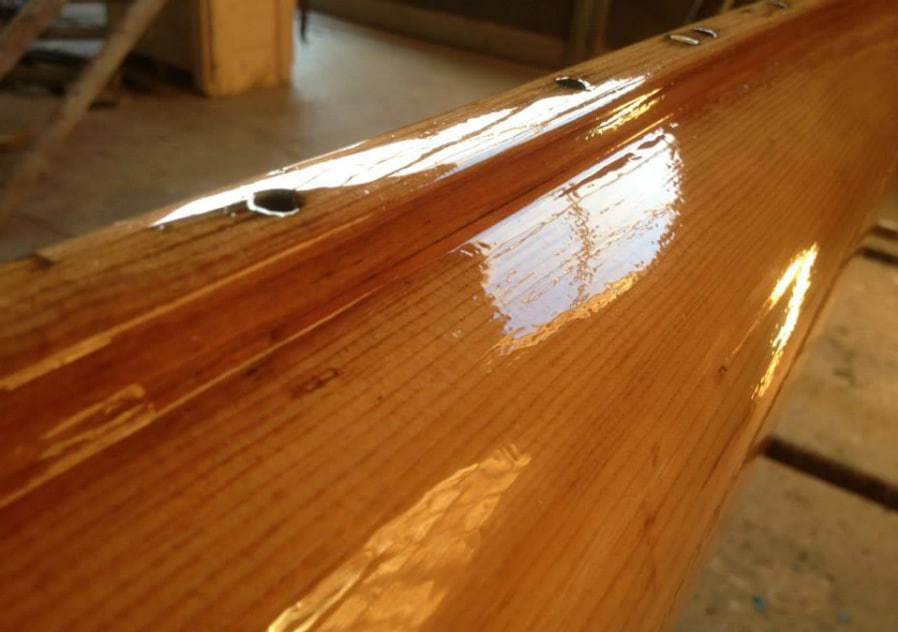
Strong resin application protects your wooden boat and gives it a unique, gleaming surface. Explore examples and results from actual projects to see how proper resin use can transform boat hulls and decks with durability and style. Review our user galleries or connect with the ResinPro community for project ideas and shared experiences.
- "EpoxyWood" – Wood Restoration Epoxy Resin for Deep Penetration and WaterproofingOriginal price was: £64.00.£39.85Current price is: £39.85."EpoxyWood" is designed for repairing and waterproofing wooden surfaces, suitable for use on boats under the theme 'How to apply resin to a wooden…
- "Icrystal" – Clear Epoxy Resin – Odourless Formula – Up to 1.5cmPrice range: £11.65 through £954.85"Icrystal" Clear Epoxy Resin is a transparent, odourless resin suitable for various uses including coatings and artistic projects.
 "Trasparente" – Multipurpose Clear Epoxy Resin for Casting – Up to 2cmPrice range: £8.45 through £948.85Clear epoxy resin suitable for up to 2cm thick layers. Designed for detailed casting, woodworking, and restoration under the boat-building…
 Resin Fibreglass Repair Kit – Complete Polyester Resin and Hardener SetPrice range: £13.85 through £22.85The Resin Fibreglass Repair Kit includes materials and instructions suitable for reinforcing and repairing wooden boats within this application theme.
Frequently Asked Questions
Which resin is best for restoring a wooden boat?
Epoxy resins like EpoxyWood offer excellent waterproofing and reinforcement for wooden boat hulls.
How long does marine resin take to cure?
Curing times vary by product and conditions; always follow the manufacturer’s recommendations for best results.
How should I prepare the surface before applying resin?
Thorough sanding and cleaning are required for optimal resin adhesion and durability on wood.
Can I use clear epoxy as a topcoat on my boat?
Yes, clear epoxy resins like Icrystal or Trasparente provide a protective, glossy surface and enhance appearance.
Is the Resin Fibreglass Repair Kit suitable for wooden boats?
Yes, it reinforces and repairs areas needing extra strength or waterproofing on marine timber.
What are common mistakes when applying resin to a boat?
Insufficient surface prep, poor mixing, and working in humid or cold conditions often lead to curing and adhesion failures.
Do I need special protection when using resin on boats?
Always wear gloves, safety glasses, and work in a well-ventilated area to prevent exposure to fumes and skin contact.