 Free shipping on orders over £29,85
  Shipping Tracking!


 Google
 Facebook
← Back to How to apply resin to a wooden boat?
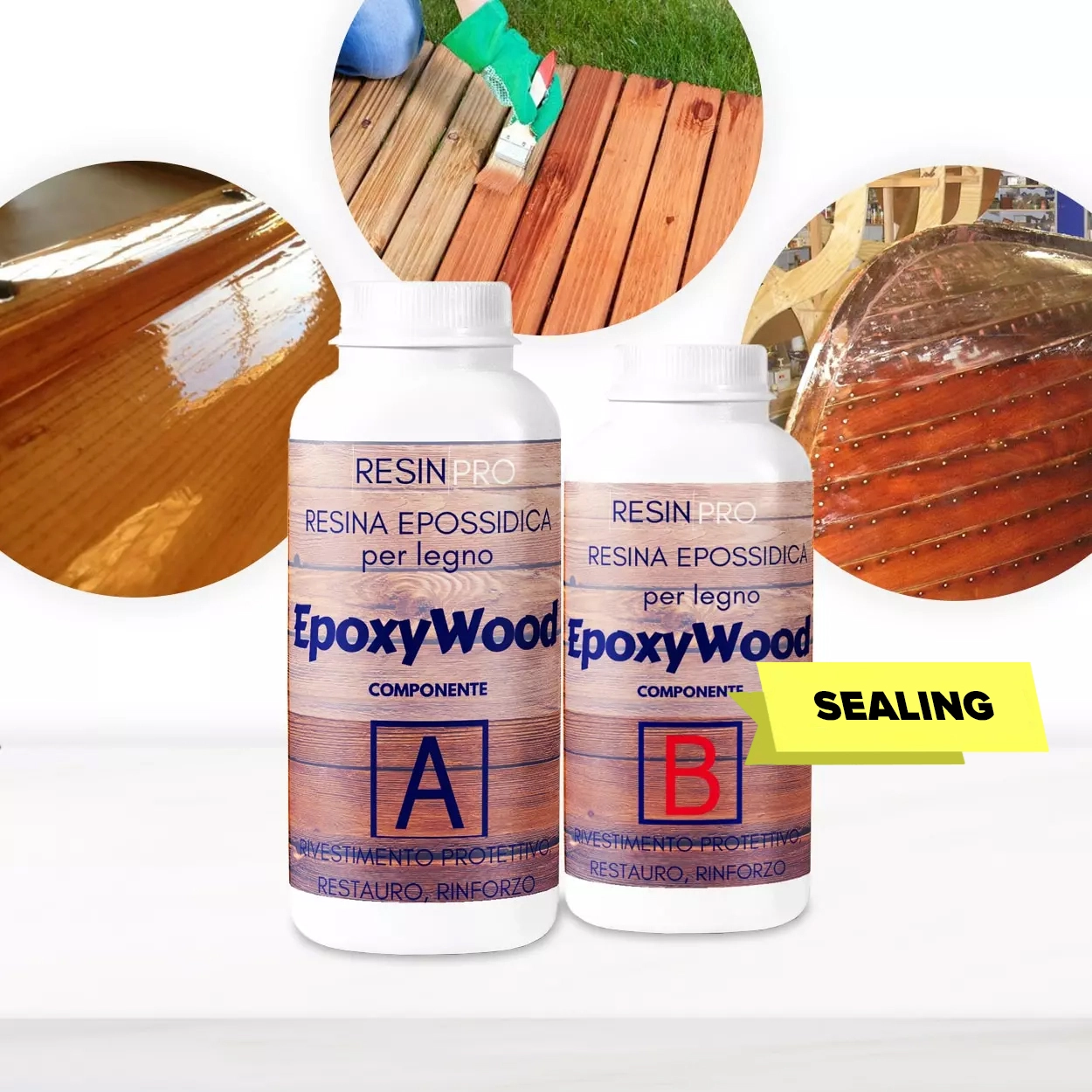
Preparing wood correctly is crucial for a long-lasting resin coating or repair on your boat. Sanding thoroughly ensures superior adhesion, helping your resin bond strongly, seal the timber, and provide a professional-quality finish.
Why Proper Sanding Is Essential
Wood naturally contains oils and surface irregularities that can affect how resin soaks in and sets. By sanding, you remove surface imperfections and open the grain, allowing products such as EpoxyWood or clear epoxy coatings to penetrate deeply and lock into the fibres. This results in a more durable and water-resistant layer, ideal for marine restoration tasks.
How to Sand for Best Adhesion
- Start with a coarse grit (around 80-100) to flatten and key the surface, removing any old finishes or rough patches.
- Progress to a medium grit (120-150) to refine the wood, ensuring a smooth but slightly textured surface for the resin to grip.
- Finish with careful dust removal using a vacuum or tack cloth to clear all sanding debris—resin will not adhere properly to a dusty surface.
Make sure the wood is completely dry before you start resin application. Even slight moisture can impede adhesion and cause long-term problems.
When This Matters
Surface sanding is critical for boat repairs that demand structural strength and waterproofing, such as hull restoration or deck sealing. Skipping this step can lead to poor resin bonding, compromised protection, and premature failures—especially in marine settings exposed to water and wear.
Related products
Related guides
A well-sanded wooden surface forms the foundation for any reliable resin application—whether you’re using specialist restoration resins or clear coatings. For a step-by-step overview of working with resins on boats, explore our full guide on how to apply resin to a wooden boat.