 Free shipping on orders over £29,85
  Shipping Tracking!


 Google
 Facebook
How do you mix two-component resin?
Ensure flawless blending for strong and clear resin results
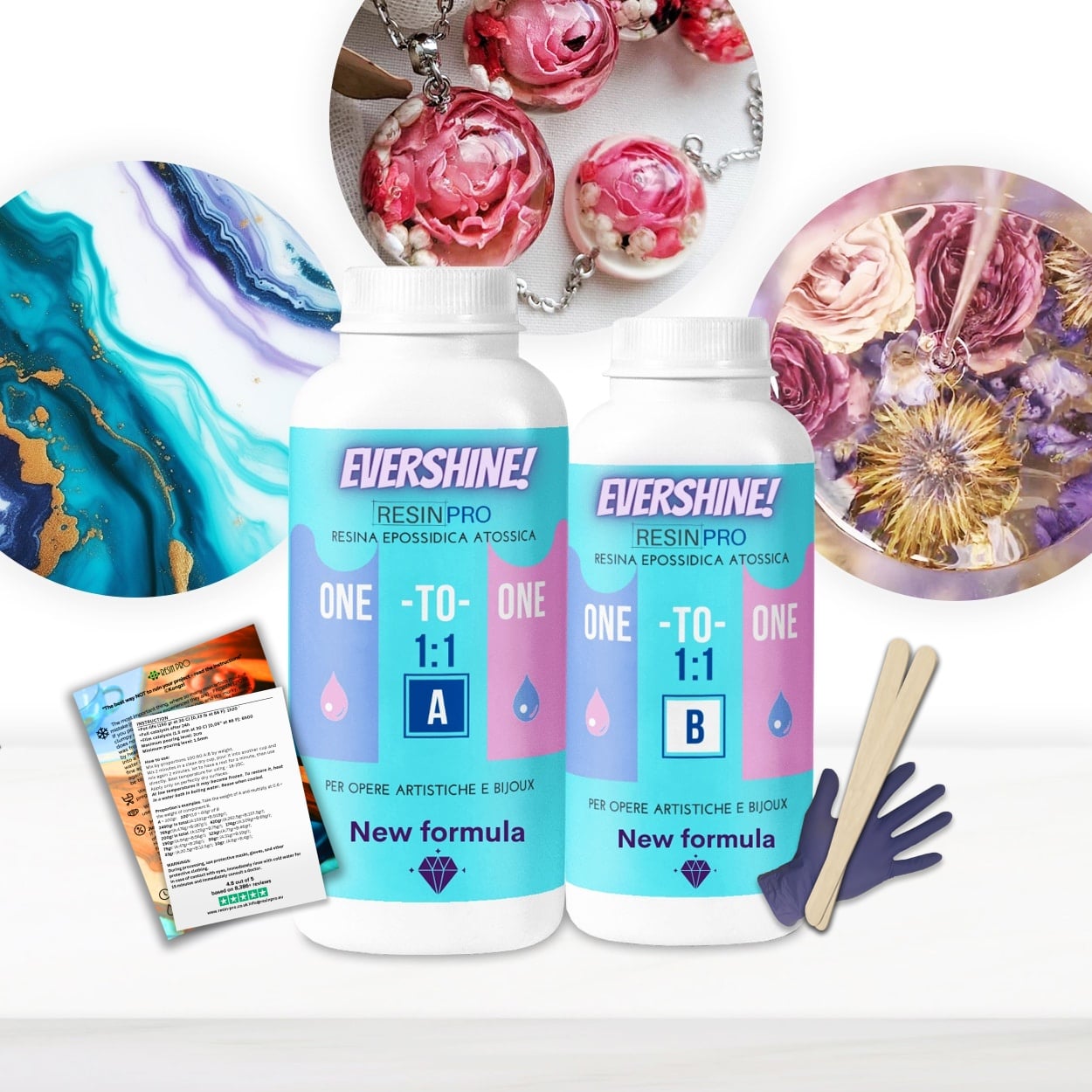

Mastering the process of mixing two-component resin is vital for achieving clear, strong, and bubble-free results in your crafting or DIY projects. This guide walks you through the essential steps, safety considerations, and common pitfalls so that your resin mixes cure properly and look professionally finished.
What You’ll Need
- “One-2-One” – Epoxy Resin for Handcraft, 1:1 Mixing Ratio – for easy-to-mix, crystal clear resin projects.
- 2L Graduated Measuring Cup for Resin – Precise Epoxy Dosing Tool – to measure resin and hardener accurately.
- Mixing Buckets Kit for Epoxy Resin Art – Easy Clean Flexible Design – for safe, mess-free mixing.
- Mixing Sticks for Epoxy Resin – Perfect for Blending – 3Pcs Pack – to blend components thoroughly.
- Nitrile gloves, apron, and a well-ventilated workspace for safety.
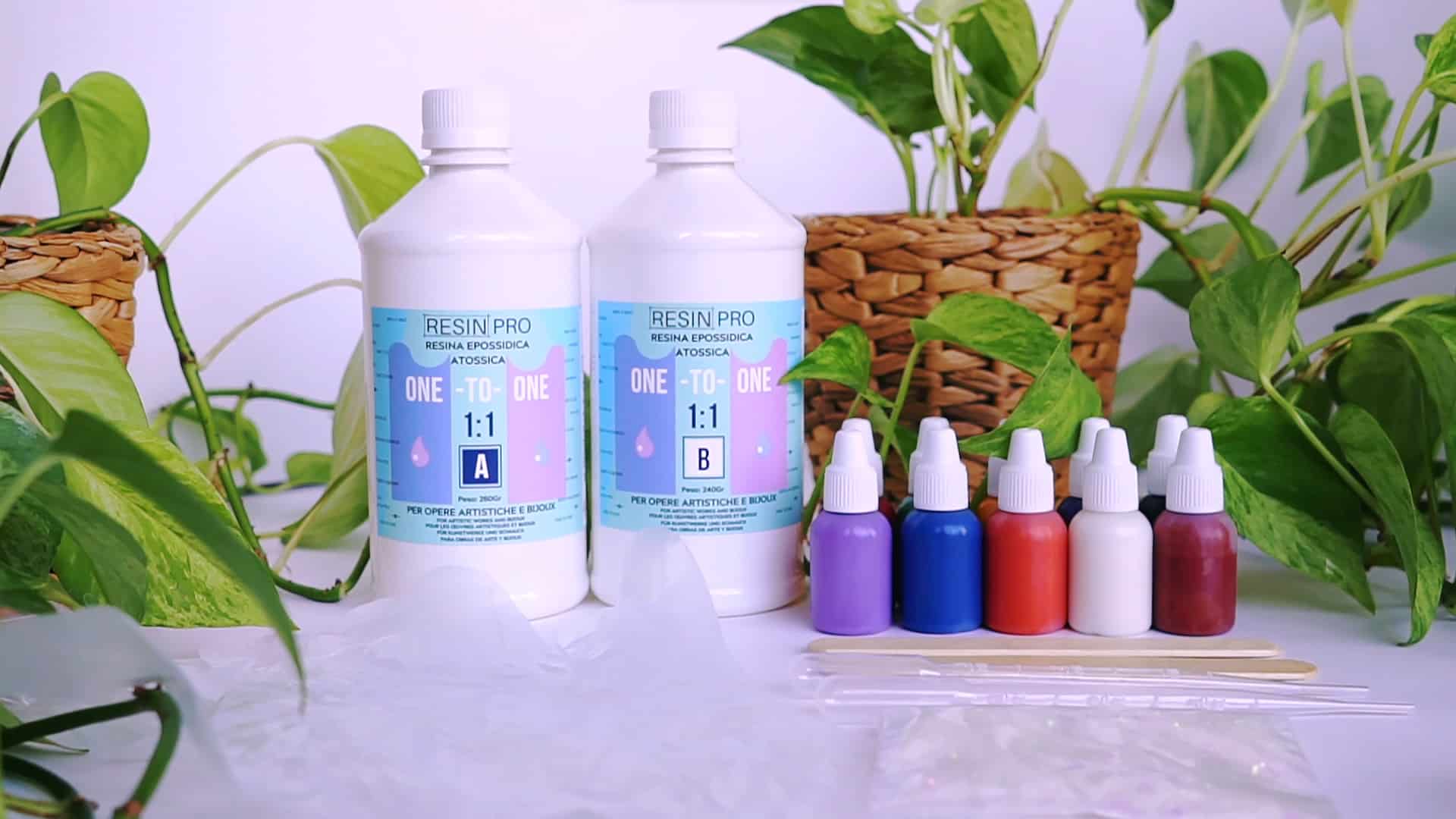
Effective Tools for Precise Resin Mixing
Using the proper tools improves both accuracy and ease when preparing two-component resin. Graduated measuring cups ensure you allocate resin and hardener in the right proportions, while dedicated mixing sticks and flexible buckets make achieving a homogenous blend much simpler. Clean equipment also helps you avoid defects in the finished piece.

Step 1: Measure Resin and Hardener Accurately
Accurate measurement is essential for resin to cure thoroughly and retain its strength. Always check your manufacturer’s instructions for the correct ratio – most commonly by volume or weight. For example, products like “One-2-One” epoxy resin use a straightforward 1:1 volume mix, which greatly reduces error.
Pour the required amounts into a graduated measuring cup for precision. Any miscalculation can result in improper curing, so double-check measurements before moving to the next step.
Step 2: Choose the Right Mixing Container
Use clean, dry containers to prevent contamination and reaction issues. Flexible and easy-clean containers, like the Mixing Buckets Kit for Epoxy Resin Art, are perfect for the task as they simplify both mixing and post-project cleanup.
Ensure there are no residues or moisture inside the container before adding your measured resin and hardener. Water, oils, or dust can affect the chemical reaction, leading to unwanted results.
Step 3: Mix Thoroughly and Patiently
Mix thoroughly and patiently using a suitable tool, such as the Mixing Sticks for Epoxy Resin. Begin stirring slowly, using a figure-eight motion and ensuring that both resin and hardener are blended completely.
Scrape the sides and bottom of the bucket continuously to avoid unmixed portions. Continue stirring for 2–3 minutes, as recommended by your resin’s instructions. Rushing this step is a leading cause of soft spots or sticky areas in the final cast.
Step 4: Pour and Use Immediately
Once the resin mixture is fully combined, pour it immediately into your mould or project area. Do not leave mixed resin in the container, as it can begin to cure rapidly and generate heat, reducing working time. Work smoothly and promptly for best results.
If you notice air bubbles, you can gently pass a heat gun or torch over the surface (from a safe distance) to help them rise and pop. Be careful not to overheat, as this can damage the surface or introduce flaws.
Tips and Common Mistakes
- Double-check your mixing ratio; even small inaccuracies can prevent proper curing.
- Mix slowly to avoid introducing excess air and bubbles.
- Always use dedicated, clean tools to prevent contamination.
- Work in a well-ventilated space for safety.
- Take your time – patience during mixing ensures a professional, flawless finish.
Avoiding Resin Mixing Pitfalls
Poor mixing or incorrect ratios are the most frequent causes of sticky, cloudy, or weak resin. Always take the time to measure and stir correctly—your patience prevents wasted materials and delivers crystal-clear results every time.
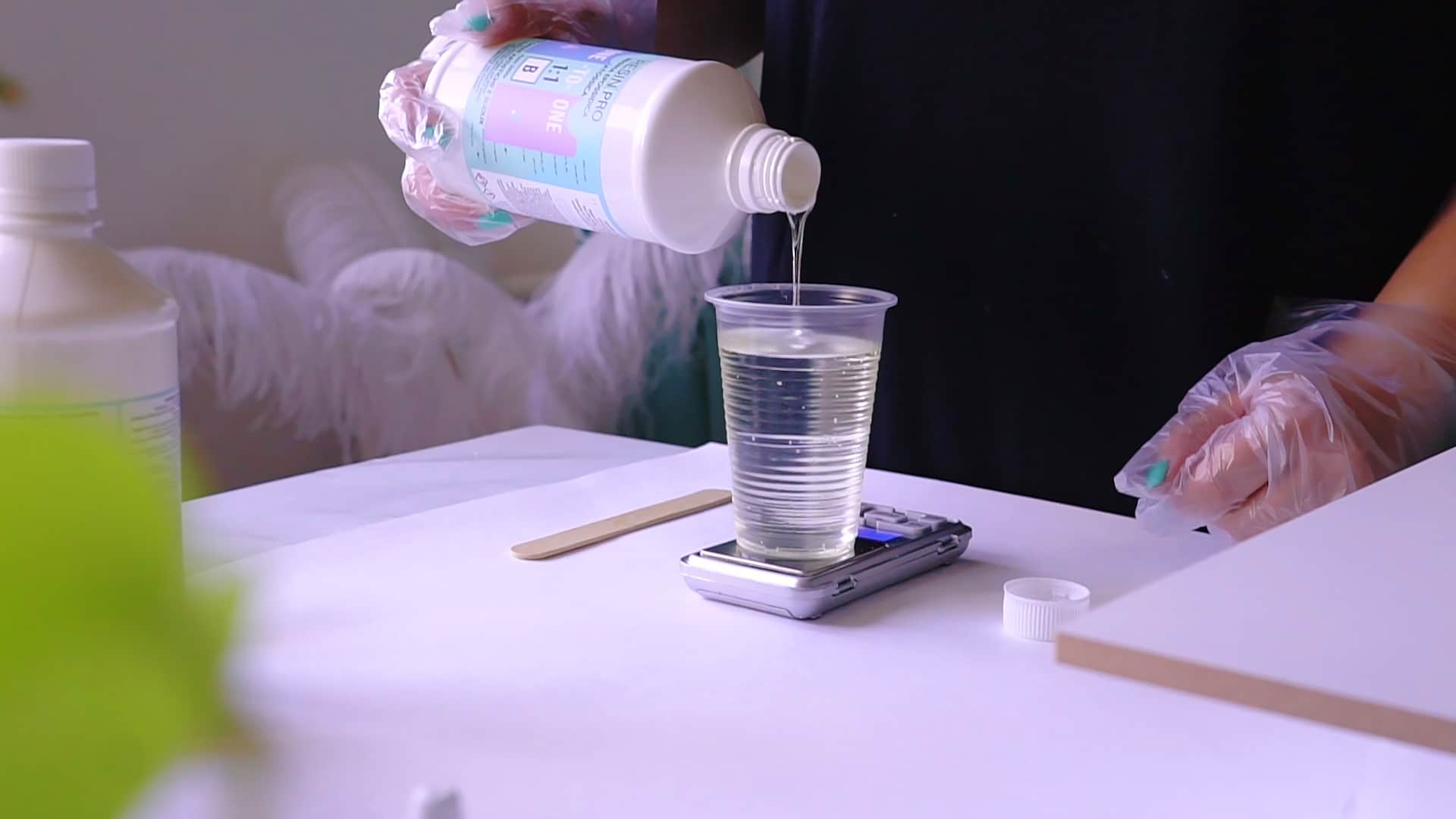
- "One-2-One" – Epoxy Resin for Handcraft, 1:1 Mixing RatioPrice range: £14.85 through £56.85"One-2-One" epoxy resin features an easy 1:1 mixing ratio suited for beginners and crafters seeking clear, glossy finishes.
- 2L Graduated Measuring Cup for Resin – Precise Epoxy Dosing Tool£3.85A precise dosing cup designed for accurate epoxy resin measurements, supporting careful mixing in two-component resin projects.
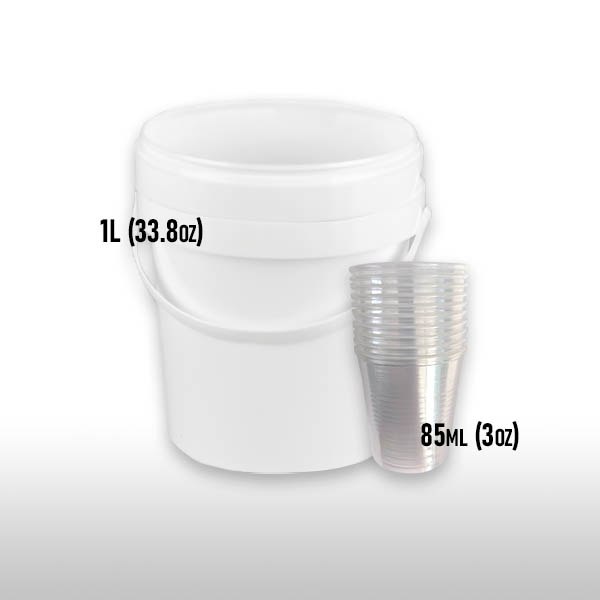 Mixing Buckets Kit for Epoxy Resin Art – Easy Clean Flexible DesignPrice range: £1.95 through £8.35Mixing Buckets Kit is suitable for epoxy resin art and crafts, designed for easy cleaning and flexible use.
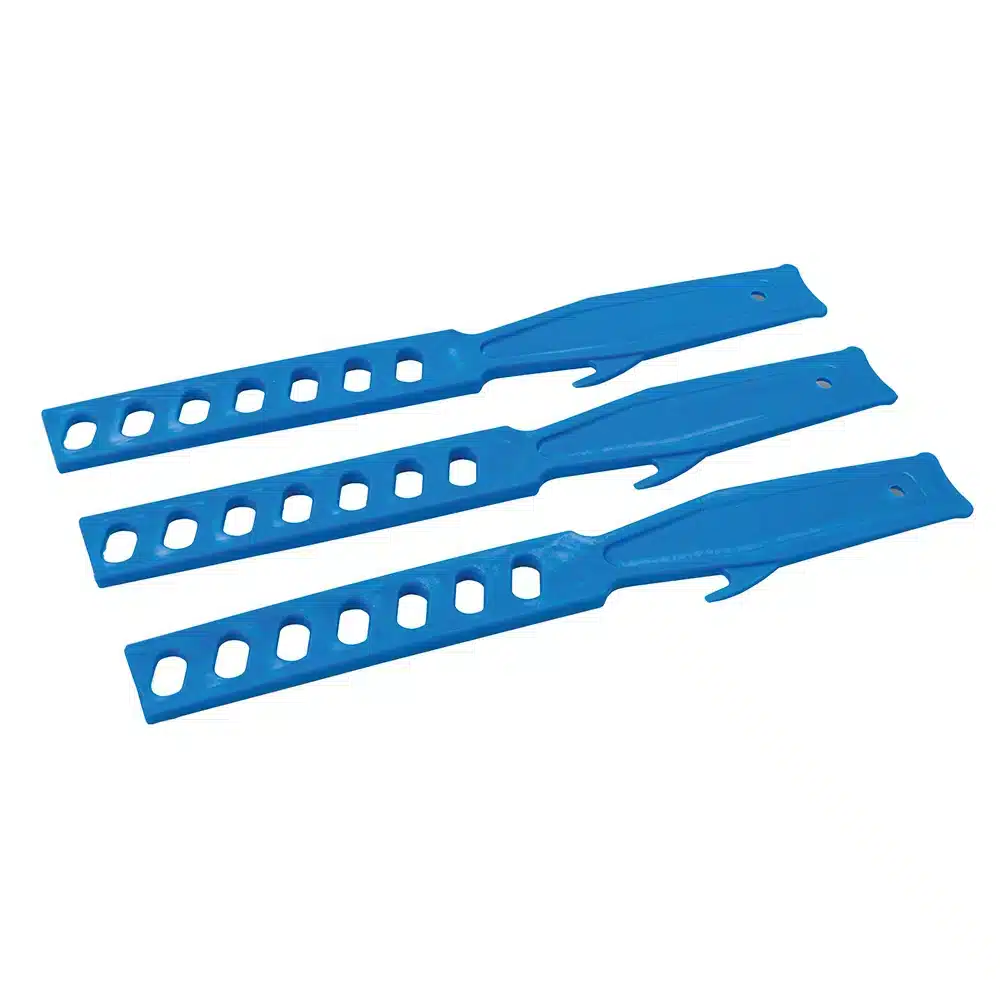 Mixing Sticks for Epoxy Resin – Perfect for Blending – 3Pcs Pack£4.45Mixing Sticks for Epoxy Resin provide reusable tools designed to blend two-component resin precisely.
Frequently Asked Questions
How do I measure two-component resin accurately?
Use a graduated measuring cup, carefully following the resin's mixing ratio—either by volume or by weight as instructed.
Why is thorough mixing important for resin?
Incomplete mixing leads to uncured or sticky patches. Mix consistently, scraping the sides and bottom to combine both parts fully.
Can mixing tools for resin be reused?
Reusable polypropylene sticks and flexible buckets can be cleaned soon after use, making them suitable for multiple projects.
What if I get the mixing ratio wrong?
An incorrect ratio results in improper curing, which can cause tackiness, softness, or other defects in your finished resin project.
How can I prevent bubbles when mixing resin?
Mix slowly to minimise air incorporation, and use a heat gun or torch gently over poured resin to help bubbles rise and escape.
How long should I mix two-component resin?
Generally, mix for 2–3 minutes or as directed. Thoroughness is more crucial than speed—ensure full blending before pouring.