 Free shipping on orders over £29,85
  Shipping Tracking!


 Google
 Facebook
← Back to How do you apply epoxy resin to furniture?
Applying a second coat of epoxy resin can enhance the durability and finish of your furniture project. Here’s how to achieve a strong bond and a professional result.
Preparing the Surface for a Second Coat
For best adhesion, your first coat should be fully cured before applying more resin. Begin by cleaning the surface to remove dust and debris. Lightly sand the existing epoxy layer with fine sandpaper. This process helps the new coat grip effectively and prevents delamination. Wipe away sanding residue thoroughly before proceeding.
Applying the Next Epoxy Layer
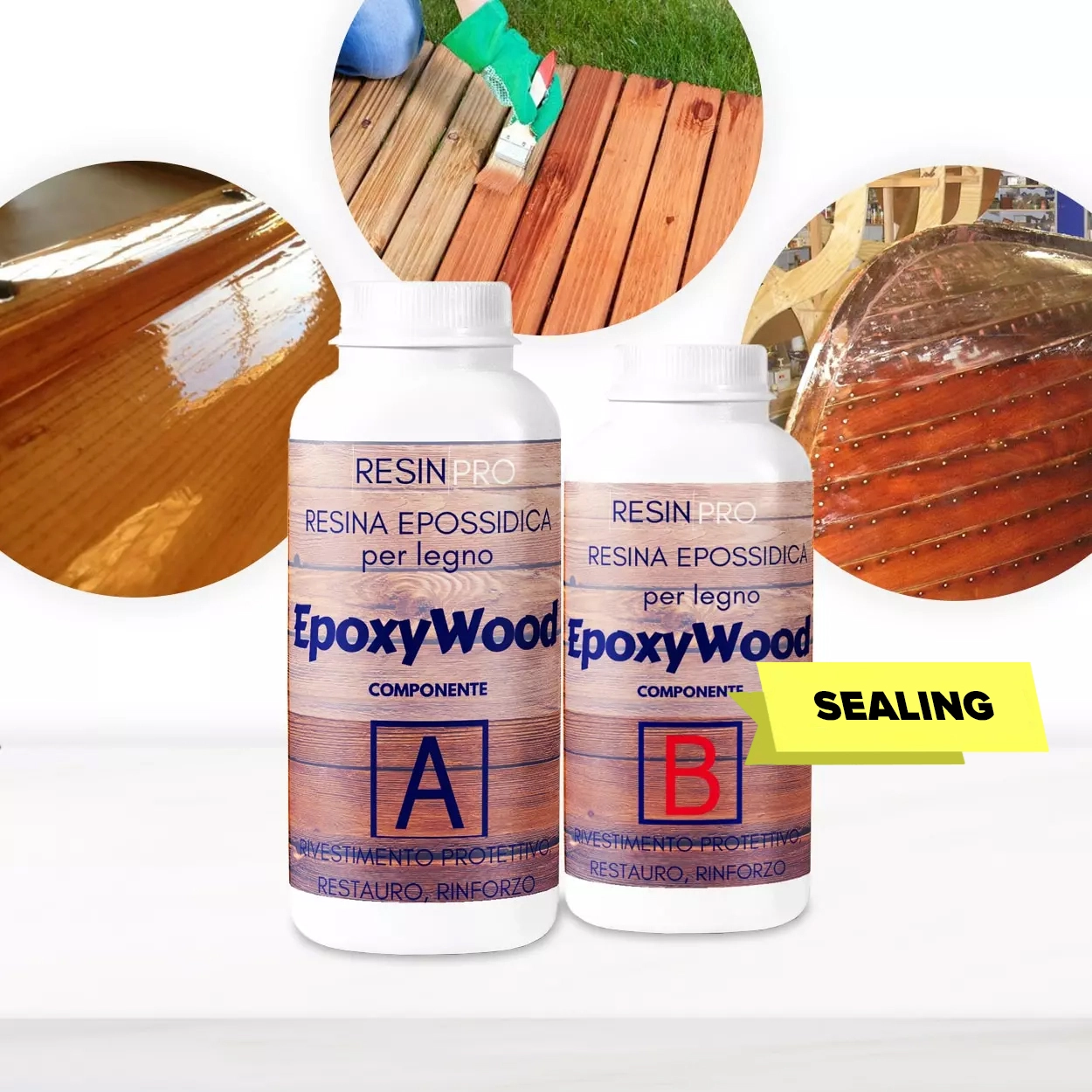
Once your surface is ready, mix your epoxy resin according to the manufacturer’s instructions. Pour and spread the resin evenly, taking care to maintain a consistent layer to avoid pooling or streaks. Using products formulated for furniture, such as EpoxyWood, can ensure a durable and attractive finish. Allow the coat to fully cure before handling or further processing.
When Does a Second Coat Matter?
- Surface Flaws: If your first pour developed bubbles or rough spots, a second layer helps to correct the appearance.
- Extra Protection: Additional coats can add thickness and resilience, especially for surfaces that will see heavy use.
- Aesthetic Enhancement: A second pour can intensify gloss and bring out the natural beauty of wood beneath.
Related products
Related guides
By following these tips, you can safely and effectively add another coat of epoxy resin to your furniture project. For a complete guide to the process and more furniture resin advice, visit our main page on how to apply epoxy resin to furniture.