 Free shipping on orders over £29,85
  Shipping Tracking!


 Google
 Facebook
← Back to How do you apply epoxy resin to wood?
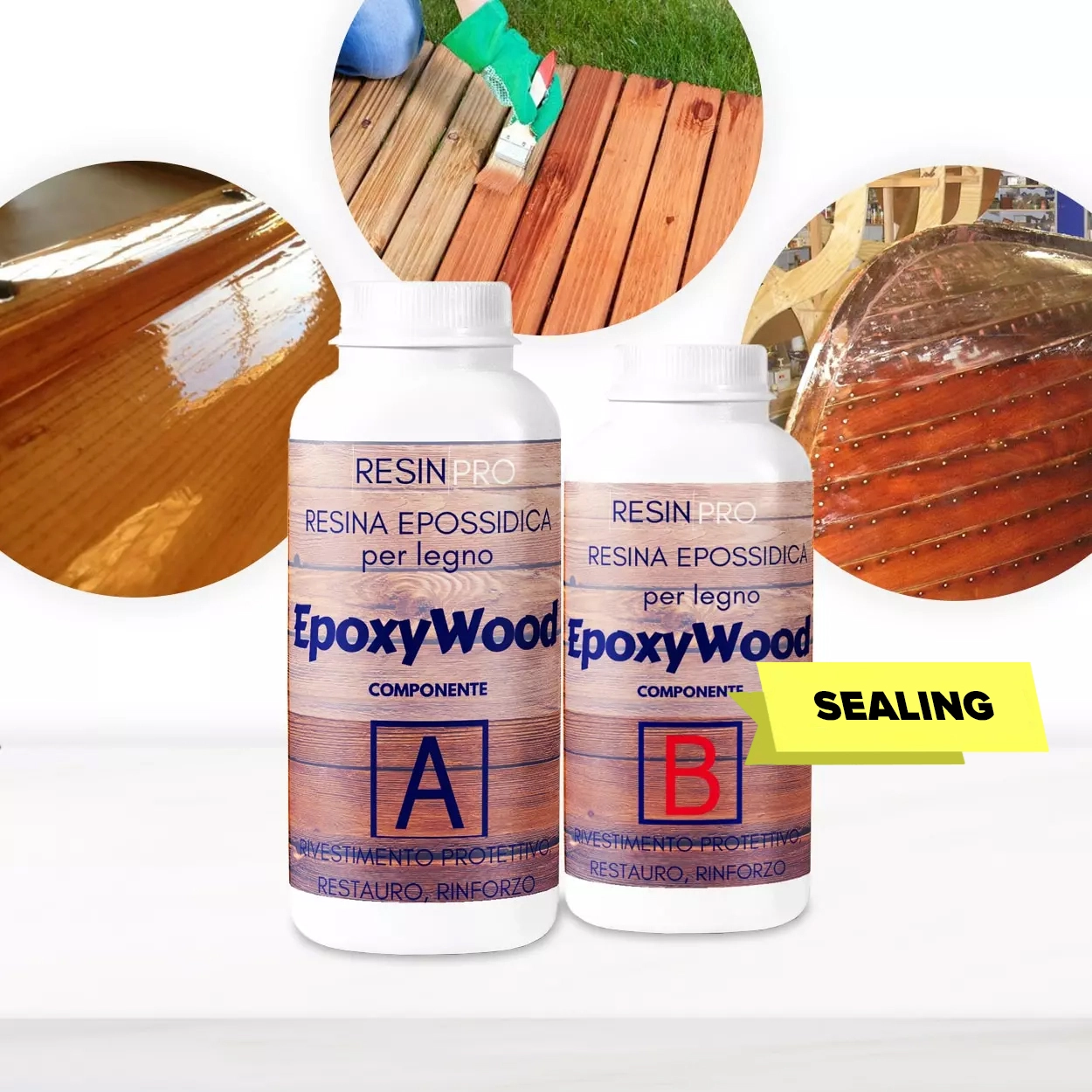
Finding a sticky or soft finish after applying epoxy resin to wood is a common frustration. Understanding the main causes helps you avoid disappointment and achieve a professional result first time.
Common Causes of Sticky Epoxy Resin
A tacky or rubbery surface is usually the result of an incorrect mixture of resin and hardener. Epoxy resins require the precise ratio recommended by the manufacturer—too much or too little hardener prevents proper curing. Low working temperatures also slow the reaction or stop it entirely, making your finish feel sticky even days later.
- Always check the product instructions for the correct blending ratio.
- Mix thoroughly and scrape the sides and bottom of your mixing container.
- Apply in a well-ventilated, warm area above 18°C for best results.
How to Avoid and Fix a Sticky Finish
If you notice soft or sticky spots, leaving the piece in a warmer space for another day or two may allow some curing. However, fully uncured resin often needs to be carefully scraped away before reapplying a new, correctly measured layer. Using a product like EpoxyWood, formulated for wood reinforcement, can help achieve reliable, deep penetration and a solid, waterproof finish.
When This Matters Most
Sticky or soft epoxy is most troublesome on surfaces that need durability, such as furniture or outdoor woodwork. Incomplete curing can also lead to longer-term problems like dust attraction or water infiltration. Getting the mix and work environment right the first time saves you from rework and ensures a strong result.
Related products
Related guides
Ensuring accurate mixing and a warm, stable curing environment is key to a flawless epoxy resin finish on wood. For further tips and step-by-step advice, visit our main guide on how to apply epoxy resin to wood.