 Free shipping on orders over £29,85
  Shipping Tracking!


 Google
 Facebook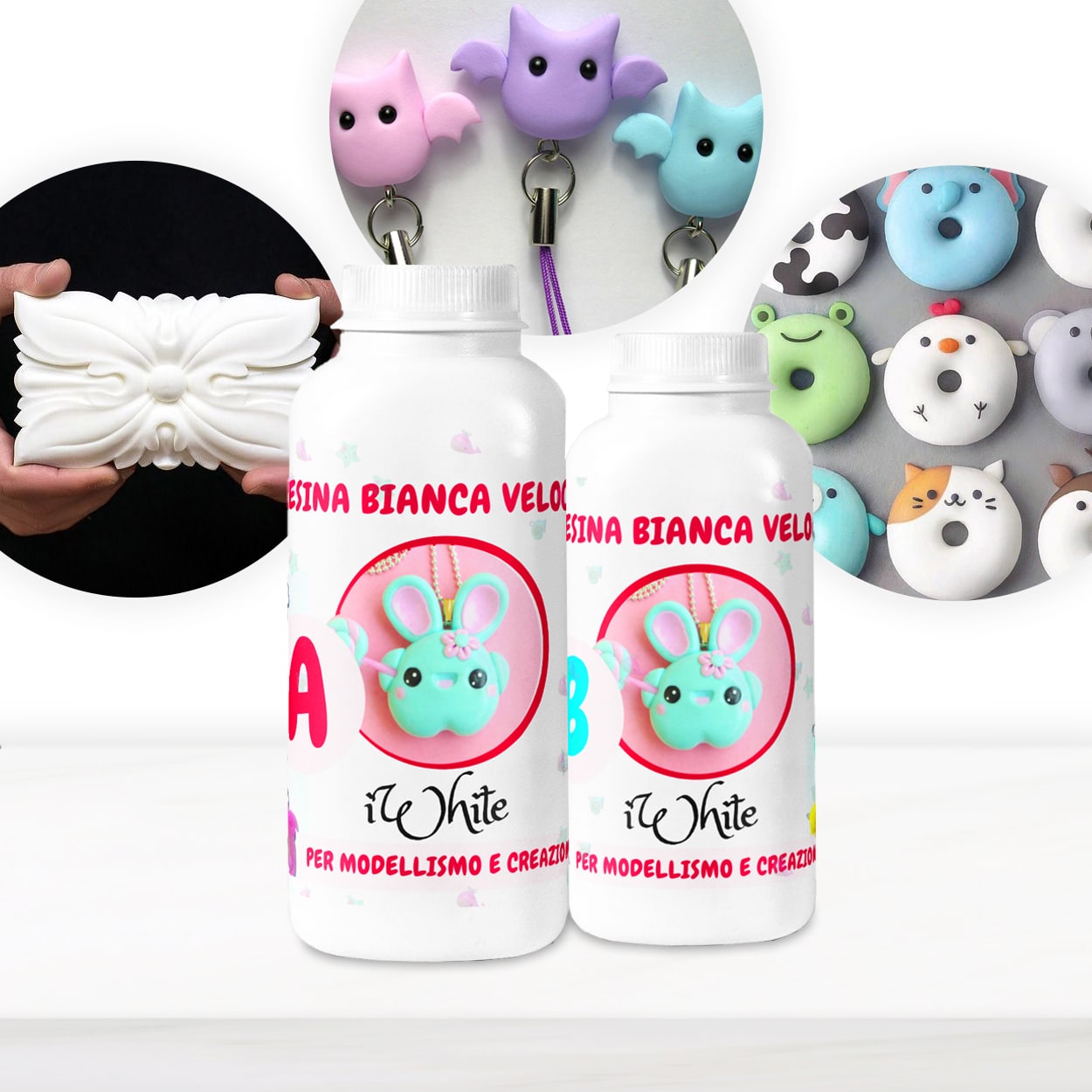
When selecting a casting resin, understanding the differences between polyurethane and epoxy options is essential. Each type offers distinct benefits depending on your project requirements.
Key Differences Between Polyurethane and Epoxy Resin
Polyurethane resin is renowned for its exceptionally fast cure time, making it ideal for rapid prototyping and projects where a quick turnaround matters. It is highly fluid, allowing for detailed casting and minimal bubbling. In contrast, epoxy resin takes longer to cure but excels in clarity and creates deep, glass-like finishes, perfect for decorative applications and artistic castings where visual depth is a priority.
Selecting the Right Resin for Your Project
If speed is your main concern, polyurethane resin such as IWhite is ideal—suiting tasks like model making or fast batch production. For artistic projects, transparent furniture, or deep pours, epoxy resins like Epoxytable 10-Ten or Icrystal provide the clarity and slower setting needed for flawless results. Always factor in cure times and the maximum single pour thickness for your project when making a choice.
When This Matters
Your resin choice is especially important for projects with tight deadlines, needs for clear, bubble-free finishes, or when working at significant thicknesses. Choosing the incorrect type can lead to imperfections, longer wait times, or failed results.
Related products
Related guides
Deciding between polyurethane and epoxy resin depends on your project’s speed and finish priorities. To explore more on the factors that influence resin behaviour and performance, visit our main guide on what causes resin.