 Free shipping on orders over £29,85
  Shipping Tracking!


 Google
 Facebook
What causes resin?
Explore the origins and types of resins for casting and art.

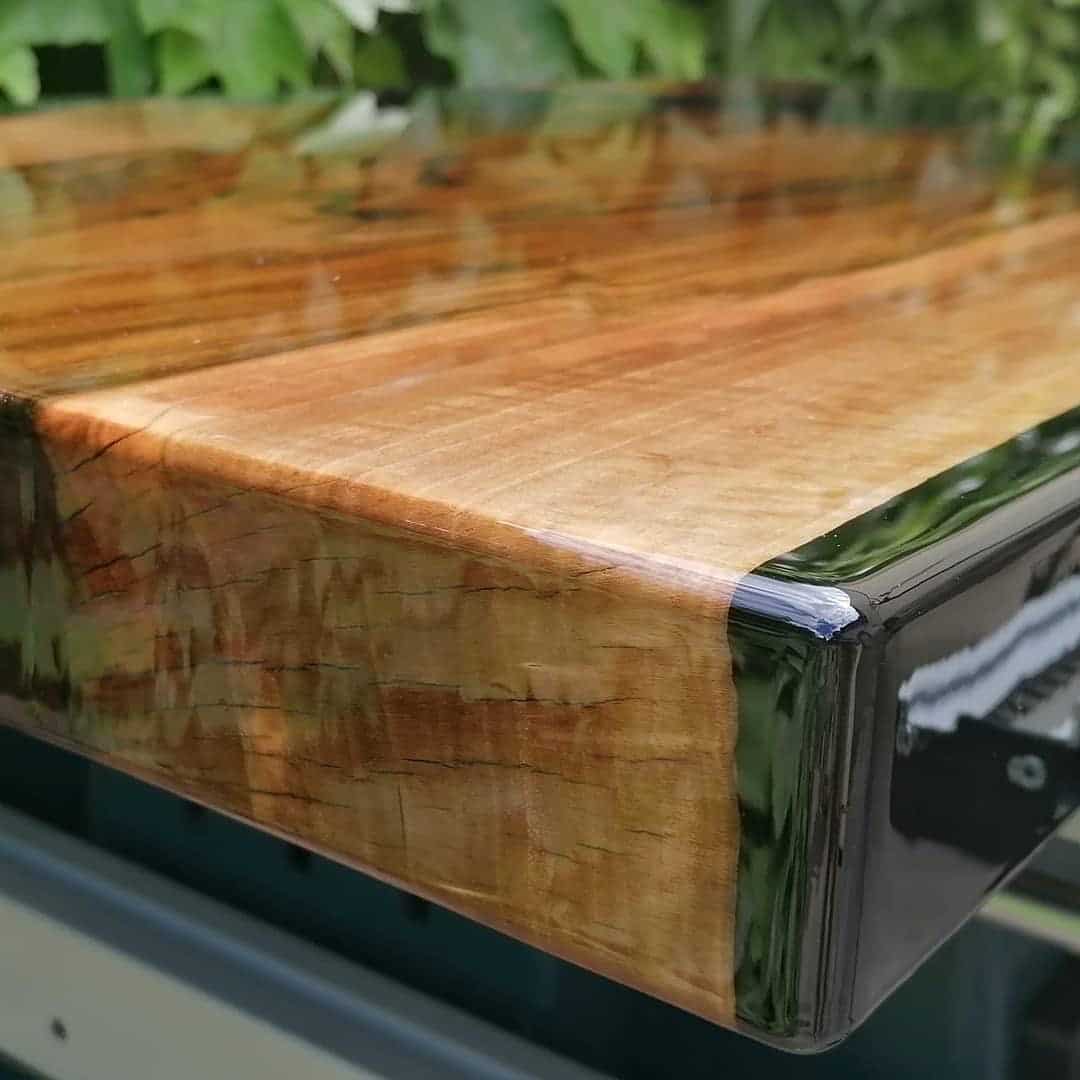
If you’ve ever wondered what causes resin, how different types are made, or which is most suitable for your next creative project, this guide is for you. Here, we break down the origins of resin, why it forms, and compare leading resin types—from deep pour epoxy to innovative water-based mineral systems—so you can confidently choose the right material for your specific application.
Comparing What Causes Resin Formation and Resin Types
The word “resin” describes a broad family of materials, but they share a common principle: a chemical or physical reaction transforms ingredients into a durable, solid form. The main causes of resin formation used today are:
- Mixing two chemicals (as in epoxy and polyurethane resins) to set off a hardening reaction.
- Combining minerals and water to create a solid structure, as seen in some eco-friendly modern craft resins.
Each resin type has unique properties, benefits, and limitations. Some offer impressive strength and depth for furniture projects, others prioritise speed or environmental friendliness. Let’s explore the differences and when to select each type.

Understanding the Science of Resin Formation
Resin forms when ingredients such as epoxies, polyurethanes, or minerals undergo a chemical or physical reaction. Traditional resins require mixing two components (such as resin and hardener), whereas innovative options like mineral-based NatuResin simply need water activation. These processes transform liquids into tough, solid materials that can be used for art, furniture, and crafts.
“Epoxytable 10-Ten” – Best for Deep Pour Tables and Artistic Deep Casting
Formulated to address the heat and curing problems seen with thick layers of epoxy, “Epoxytable 10-Ten” – Deep Pour Epoxy Resin for Tables, Up to 10cm Casting is specifically designed for pours up to 10 cm thick. Its low exothermic reaction minimises the risk of overheating, while strong UV filters keep your piece looking clear for years without yellowing. The super low viscosity ensures easy mixing, bubble-free results and a flawless finish, ideal for river tables, thick tabletops, or large decorative castings. Choose this resin when you need depth, clarity, and structural integrity in a single pour.
“IWhite” – Rapid Polyurethane for Detailed Casting
If speed and detail are your priorities, “IWhite” – Polyurethane Casting Resin – White, Fast-Curing Two-Part System is worth considering. Unlike epoxies, this resin is polyurethane-based and features a fast-setting formula—fully cure in about 30 minutes—making it perfect for rapid prototyping, model-making, or handcrafted miniatures that require captures fine details. Its fluid nature ensures moulds are filled completely, while the white base can be coloured or painted to suit your creative vision. Ideal for small runs or when time efficiency is crucial.
“Icrystal” – Clear Epoxy for Coating and Art
When clarity, low odour, and workability matter, try the “Icrystal” – Clear Epoxy Resin – Odourless Formula – Up to 1.5cm. This product is VOC-free and has a crystal clear with a high gloss finish, making it a favourite for jewellery, surface coatings, and woodwork projects that call for just a few centimetres of thickness per pour. The easy 2:1 mixing ratio for beginners and professionals means both hobbyists and advanced users can achieve consistently stunning results with minimal risk of mistakes.
“NatuResin” – Mineral & Water Resin for Eco-Friendly Crafts
For those seeking safer, solvent-free casting, “NatuResin” – Mineral Resin & Water System for Creative Casting and Crafts is a stand-out. This single-component mineral resin activated by mixing with tap water avoids harsh chemicals altogether. You get a ceramic-like finish suitable for indoor and outdoor use and the formula is eco-friendly, non-toxic and solvent-free formula with no gloves required. NatuResin is ideal for coasters, flower pots, trays, and decorative pieces, particularly for small businesses and crafters who value safety and sustainability.
Tips for Choosing the Right Resin Type for Your Project
Before starting your project, match your resin choice to your requirements: thickness, cure speed, clarity, and safety. Deep pour epoxies such as Epoxytable 10-Ten are best for river tables and thick pieces, while Icrystal suits jewellery or surface coatings. For fast, detailed moulds, IWhite is optimal. If working around children, pets, or just seeking a greener approach, NatuResin provides an environmentally responsible, non-toxic answer. Always check application limits—such as thickness per layer and working time—before you begin.
Project Planning: Resin Safety and Performance Considerations
Choose the right resin by considering ventilation, layer thickness, and environmental impact. Always read the product instructions for safe usage, wear gloves with traditional epoxies or polyurethanes, and work in a well-ventilated area. For those with sensitivity to odours or chemicals, look for odourless or water-based options.

- “Epoxytable 10-Ten” – Deep Pour Epoxy Resin for Tables, Up to 10cm CastingPrice range: £33.85 through £334.85“Epoxytable 10-Ten” is designed for deep casting projects up to 10cm, suitable for tables and artistic creations without colour change.
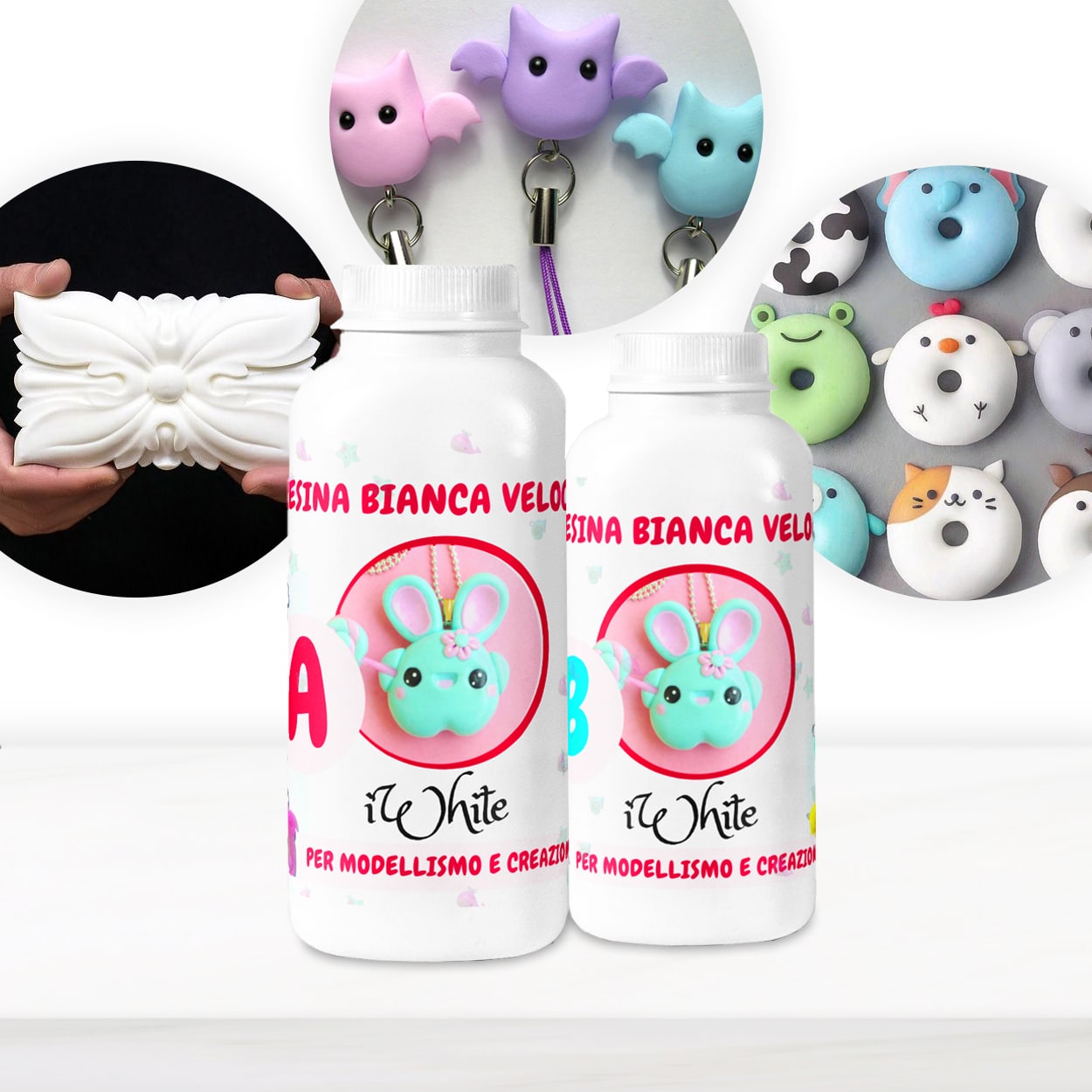 “IWhite” – Polyurethane Casting Resin – White, Fast-Curing Two-Part SystemPrice range: £22.85 through £34.85IWHITE is a polyurethane two-part resin designed for fast, detailed casting and prototyping in a white finish.
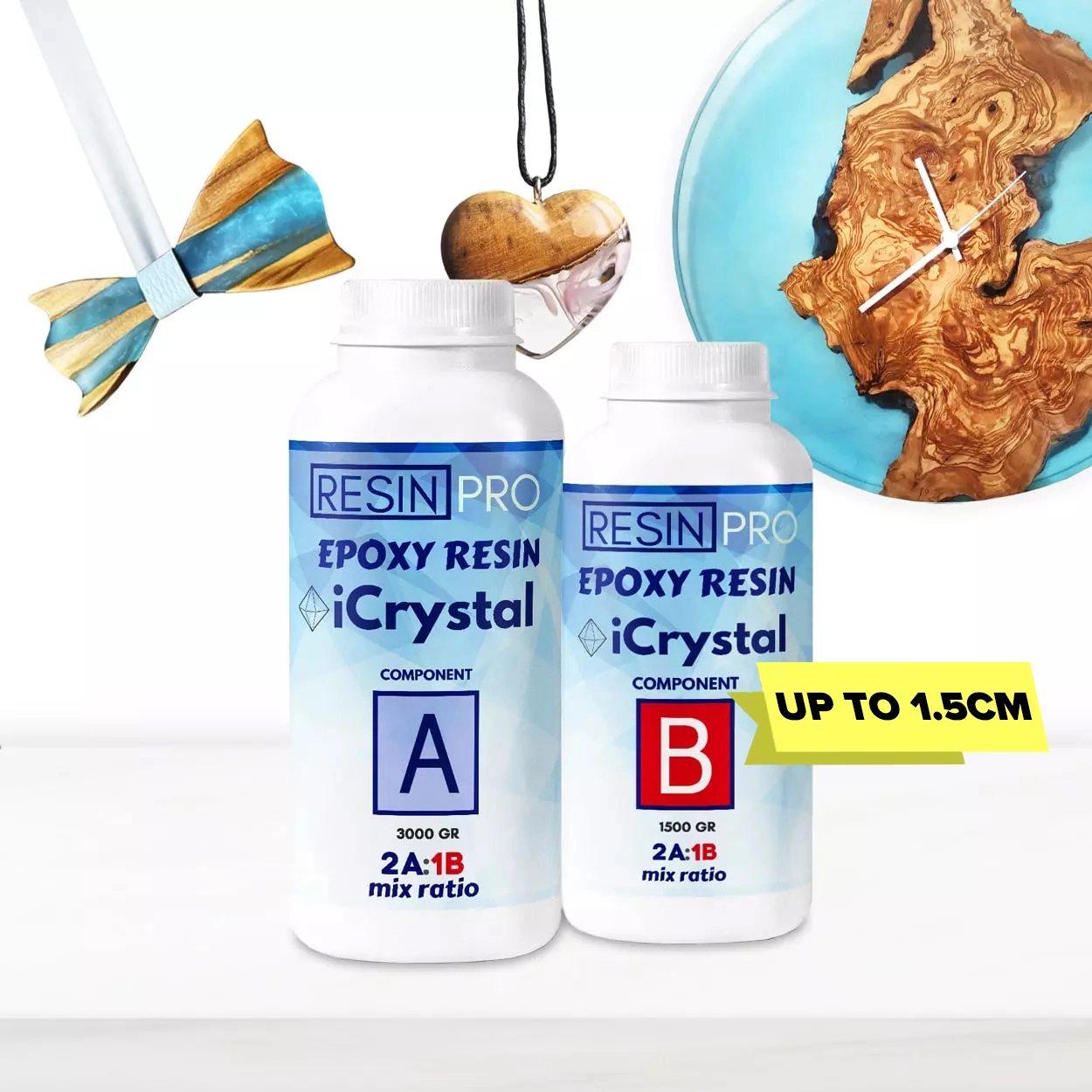 "Icrystal" – Clear Epoxy Resin – Odourless Formula – Up to 1.5cmPrice range: £11.65 through £954.85"Icrystal" is a clear epoxy resin designed for crafts and surfaces, with no odour and suitable for layers up to 1.5cm.
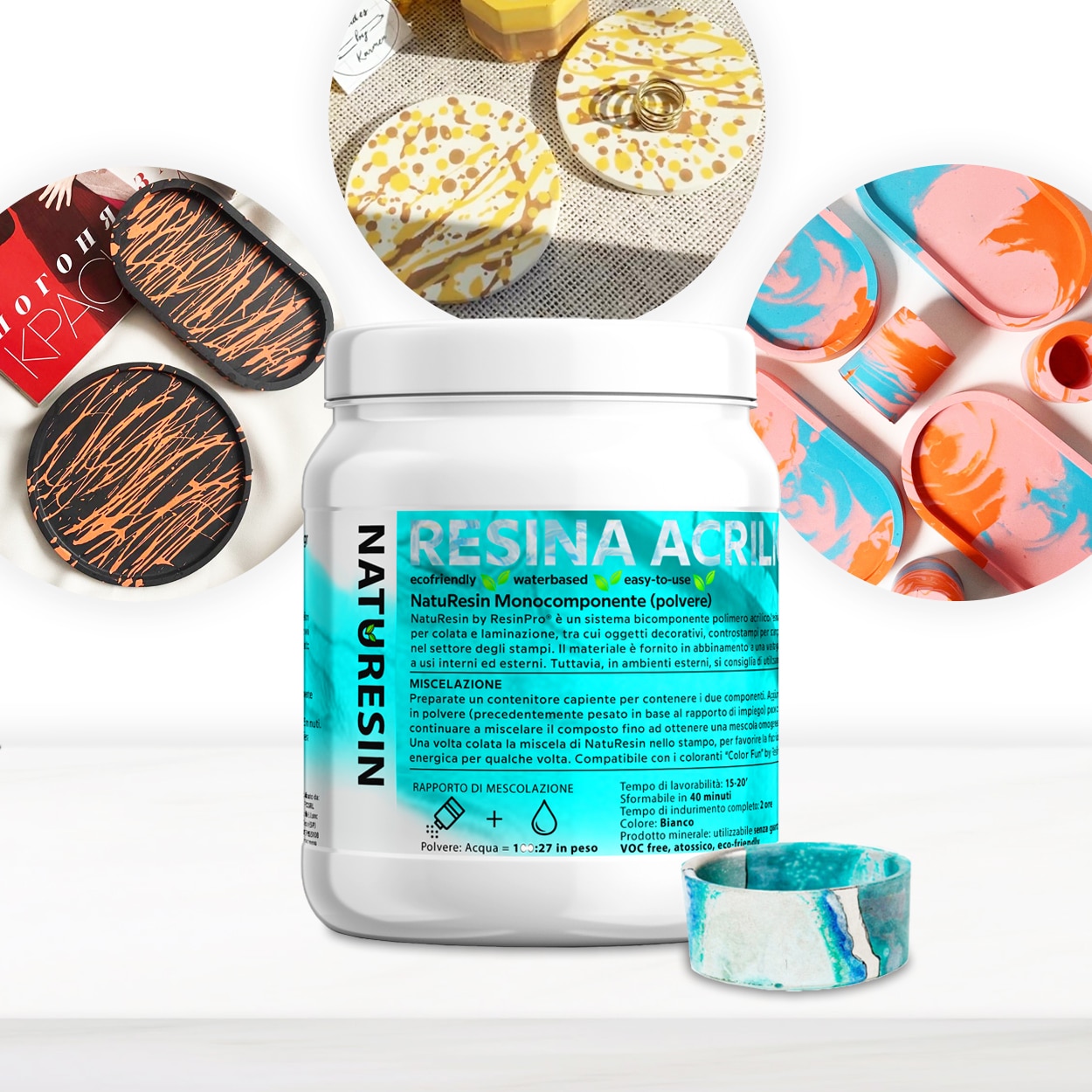 “NatuResin” – Mineral Resin & Water System for Creative Casting and CraftsPrice range: £17.85 through £99.85NatuResin is a water-activated mineral resin suitable for creative casting such as coasters and decorative items, designed for crafts and art.
Frequently Asked Questions
How do epoxy, polyurethane, and mineral resins differ?
Epoxy resins are best for depth and clarity, polyurethanes for fast-setting and detail, and mineral resins for eco-friendly, low-toxicity requirements.
What resin is suitable for deep pour projects like river tables?
Use dedicated deep pour epoxy resins like Epoxytable 10-Ten for casting up to 10 cm in a single layer.
Is mineral resin like NatuResin safe for indoor and home use?
Yes, NatuResin is solvent-free, non-toxic, and safe to use without gloves, making it ideal for home and craft environments.
Which resin is best if I want to cast models quickly?
Polyurethane resins like IWhite set rapidly and are excellent for fast, detailed mould work.
How can I keep clear epoxy resin from yellowing?
Use a resin with built-in UV filters, such as Icrystal, to add long-term protection against yellowing.
Is epoxy resin easy for beginners to use?
Some epoxy resins, like Icrystal, feature simple mixing ratios and odourless formulas ideal for new users.