 Free shipping on orders over £29,85
  Shipping Tracking!


 Google
 Facebook
How to use resin and silicone oil?
A step-by-step guide for casting, effects, and clean release


Resin and silicone oil are a powerful combination for anyone aiming to cast sharp, detailed pieces with effortless release or create eye-catching effects. Whether you are making jewellery, art pieces, or decorative objects, understanding the best way to use these materials will help you achieve flawless results and extend the life of your equipment.
What You’ll Need
- Silicone Oil for Mould Protection and Easy Release – 15ml – for easy demoulding and effect creation
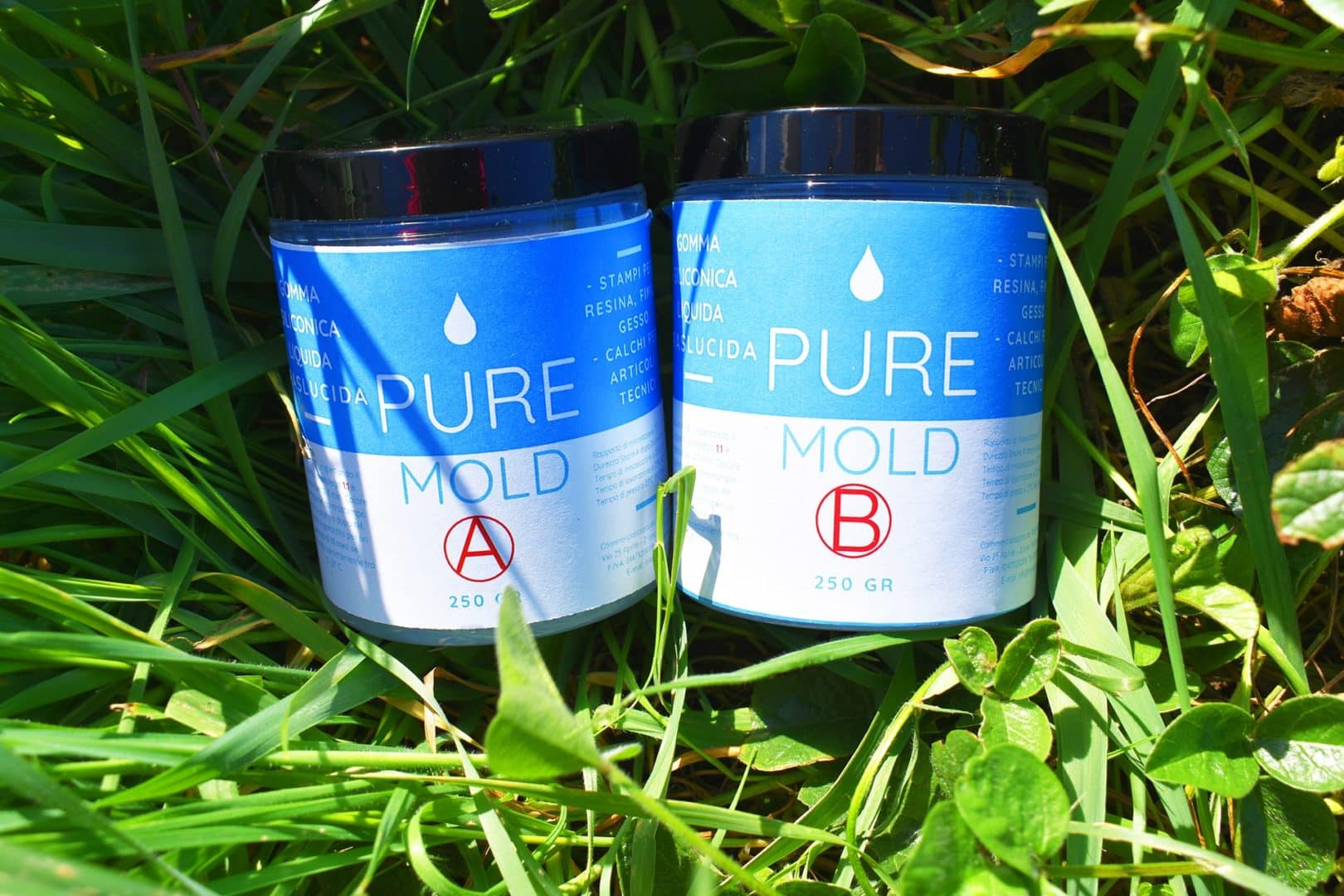
- “Pure Mould” – Translucent Liquid Silicone Rubber for Mould Making – for crafting precise and durable moulds
- Reusable Silicone Resin Brush for Epoxy Art and Wood Applications – for controlled application of resin or oil
- Flexible Silicone Cup for Mixing and Pouring Resin – for accurate preparation and pouring

See Silicone Oil and Resin in Action
Watch how silicone oil assists with flawless resin releases and enhances the final finish in your crafts. Discover techniques that reveal unique surface effects and ensure easy demoulding.

Step 1: Prepare Your Workspace and Moulds
Start by ensuring your work area is clean, flat, and well-ventilated. Dust and debris can easily become trapped in resin, so wipe down all surfaces thoroughly. Always wear gloves and work in a ventilated area to protect yourself from fumes and spills. Check your silicone moulds for any residual resin or particles and clean them before use to ensure a smooth finish in your final piece.
If you are creating a new mould, use a high-quality silicone rubber designed for casting, such as “Pure Mould” – Translucent Liquid Silicone Rubber for Mould Making, to produce durable, flexible moulds ideal for repeated resin work.
Step 2: Apply Silicone Oil to the Mould
Apply a small amount of silicone oil to the interior surfaces of your mould. This forms a thin, non-sticky layer that prevents resin from bonding to the mould surface. Take care to use only as much as necessary; Avoid using too much silicone oil as excess may interfere with resin curing or result in cloudy areas. Use a lint-free cloth or, for greater control, a Reusable Silicone Resin Brush for Epoxy Art and Wood Applications to spread the oil evenly, ensuring all corners and details are coated.
This step is especially important for intricate and finely detailed moulds, where proper release is crucial for preserving features.
Step 3: Mix and Pour Your Resin
Prepare your resin according to the manufacturer’s instructions, measuring and mixing components in a flexible container. Flexible Silicone Cup for Mixing and Pouring Resin can simplify the process, as cured resin easily peels away, making clean-up more straightforward. Stir thoroughly but gently to avoid introducing air bubbles, and add pigments or colour effects if desired.
If aiming for special visual effects, such as the popular cell or lacing patterns in resin art, you can add a drop or two of silicone oil directly into the mixed resin and stir lightly. Experiment to find the amount that suits your style, as more oil produces bolder effects, while less can create subtle detail.
Step 4: Pour, Cure and Demould
Slowly pour the mixed resin into your prepared mould. Use the Reusable Silicone Resin Brush for Epoxy Art and Wood Applications for precise adjustments or to move resin into tight spots. Remove bubbles by gently using a heat gun or blowing over the surface.
Allow the resin to cure for the recommended time—usually several hours to overnight. Do not rush this stage! Allow resin to cure fully before demoulding to avoid bending or distorting your piece. Once cured, gently flex the mould to release the artwork. The silicone oil will help the finished item pop out easily with sharp details and minimal clean-up.

Tips and Troubleshooting for Resin and Silicone Oil Use
Consistent, high-quality results with resin and silicone oil depend on proper preparation and caution. Keep moulds clean and dry before use to avoid contaminating your cast. When creating special effects with silicone oil, Test different oil quantities for unique effects but try on a small batch first, as too much may weaken the surface of your cure. Store your silicone oil and moulds away from dust and dirt for best longevity.
Should you notice residue on finished items, gently wash them with warm soapy water. With practice, you will find the perfect workflow for your creative projects.
Mould Release and Artistic Effects Close-Up
Examine detailed project results where proper silicone oil use prevents sticking and enables crisp demoulded edges. Artistic shots highlight the ‘cells’ and lacing patterns achievable with silicone oil in resin art.

- Silicone Oil for Mould Protection and Easy Release – 15ml£5.45Silicone Oil is designed to protect moulds and aid easy release in resin projects under the 'How to use resin and silicone oil?' theme.
- "Pure Mould" – Translucent Liquid Silicone Rubber for Mould MakingPrice range: £23.95 through £166.95"Pure Mould" is a translucent, fast curing liquid silicone rubber designed for making moulds compatible with resins and suitable for both…
 Reusable Silicone Resin Brush for Epoxy Art and Wood Applications£3.62A reusable silicone brush designed for precise epoxy resin application and wood projects, supporting clean and eco-friendly use.
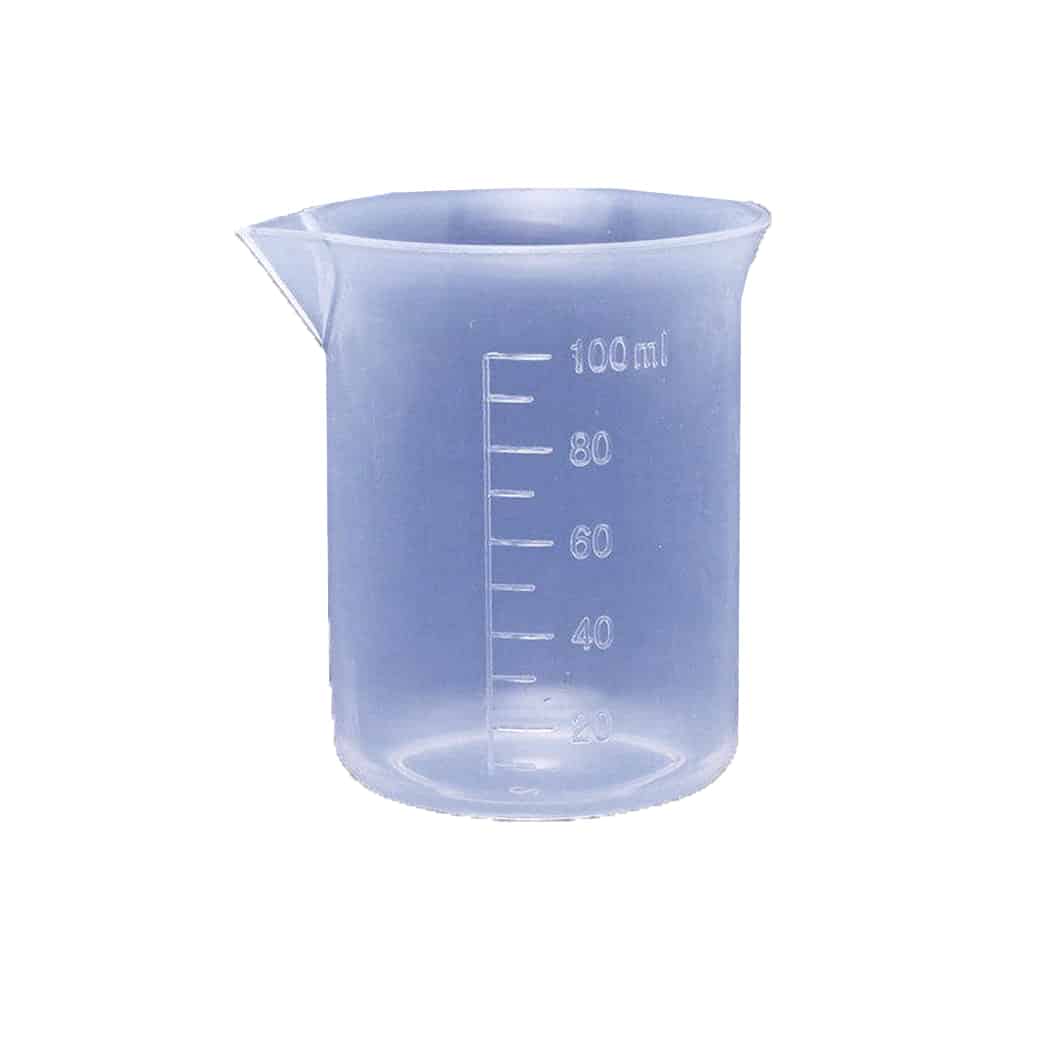 Flexible Silicone Cup for Mixing and Pouring Resin£6.45Flexible silicone cup designed for mixing and pouring epoxy resin with easy resin removal, suitable for resin artists and DIY enthusiasts.
Frequently Asked Questions
Can you mix silicone oil into resin art?
Yes, a small amount of silicone oil can be added to resin for creating cells or lacing effects but always test the quantity first.
How much silicone oil should I use for mould release?
Only a thin, even layer is needed. Excess oil may affect curing or create surface blemishes in the resin.
Do I need to clean silicone moulds after oil use?
It is best to wipe out any excess oil and occasionally wash moulds with warm soapy water to prevent residue buildup.
Can silicone oil affect resin cure?
Using too much silicone oil can inhibit proper curing and may lead to a soft or tacky surface. Use sparingly for best results.
Are there alternatives to silicone oil for release?
Yes, some use proprietary mould release sprays or waxes, but silicone oil remains popular for its ease and effect in resin casting.
What should I do if my resin won't release?
Double-check your mould has been properly coated and fully cured before demoulding. Gently flex the mould to aid release.