 Free shipping on orders over £29,85
  Shipping Tracking!


 Google
 Facebook
What is the hardening phase of resin called?
Understanding curing, catalysis, and the right tools for resin projects


If you’ve ever worked with resin—be it acrylic, epoxy, or UV-based—you’ve likely come across technical terms describing how your project solidifies. This page is made for anyone asking what the resin hardening phase is called, how it works, and how choosing the right product or curing tool can help you achieve reliable, high-quality results in jewellery making, art, and DIY crafts.
Understanding the Hardening Phase: Curing and Catalysis Explained
The process that transforms liquid resin into a solid, durable material is most commonly called curing. Chemically, this is known as catalysis for many two-part epoxies, and simply UV curing for UV-sensitive resins. The exact terminology may vary depending on the resin chemistry, but these phases all refer to the essential transformation from liquid to solid. Key differences in resin systems influence how fast and under what conditions this hardening (or curing) occurs—some use light, others rely on chemical mixes and timing. Knowing which process matches your project is crucial for both efficiency and finished quality.

See How Curing Technology Transforms Resin Art
Experience the difference advanced curing tools make. Using UV lamps or fast-drying resins cuts wait times and produces consistent results in jewellery and craft work. Explore how light-based equipment and epoxy catalysis affect finish, clarity, and speed.
Tools and Products for Every Hardening Phase
380W UV Lamp with Automatic Sensors for Fast Resin and Gel Curing
The 380W UV Lamp with Automatic Sensors for Fast Resin and Gel Curing is optimised for UV-curable resin systems. With Fast curing capabilities—reducing hardening times by up to 50%—this lamp automatically activates when your resin project is placed inside. Its robust bulbs promise Long-lasting bulbs with up to 50,000 hours of service, offering efficiency for high-volume work or hobby projects. Automatic sensors and Universal compatibility make this lamp a go-to choice for professionals and DIYers who work with a wide variety of UV and LED gel formulations. For anyone seeking advanced control of the resin curing process, this lamp provides reliability and speed.
21 LED UV Torch for Fast Acrylic Resin Curing
The 21 LED UV Torch for Fast Acrylic Resin Curing offers a powerful, compact option especially suited for artists and crafters who want on-the-go or small-batch curing. With 21 high-powered LEDs, it ensures Consistent performance and broad UV coverage. Its Energy-efficient, Compact and portable design (powered by AAA batteries) is ideal for those needing flexible workspace solutions, whether at home or in the studio. This torch excels for crafts and jewellery where controlled, localised hardening is key.
“UV–Creation” – Fast Acrylic Resin, 3 Minute UV Cure
For quick and flawless projects, “UV–Creation” – Fast Acrylic Resin, 3 Minute UV Cure offers Instant curing under UV—your resin can be ready in as little as 2–3 minutes. This one-component gel is Crystal clear, delivering a glossy, non-yellowing finish ideal for jewellery and transparent crafts. Its One-component formula means there’s no mixing required, making it perfect for both beginners and experienced makers seeking rapid results. It’s also Safe & vegan-friendly for peace of mind in every creative project.
“ICreation” – Fast Epoxy Resin, 6h Demoulding, Transparent Gloss Finish
If you prefer traditional epoxy with a speed advantage, “ICreation” – Fast Epoxy Resin, 6h Demoulding, Transparent Gloss Finish provides 6-hour demoulding time and a full cure in as little as 12 hours. Its Crystal-clear, glossy, and self-levelling finish is supported by an Easy 2:1 mixing ratio, offering professionals and hobbyists a rapid workflow. Featuring a built-in UV filter to prevent yellowing, it’s particularly suitable for jewellery and elaborate craft projects where both clarity and durability are essential.
Choosing the Right Curing Method for Your Resin Project
Selecting between UV-curing and catalysed epoxy depends on your application, desired pace, and equipment. UV systems—like the “UV–Creation” acrylic resin and UV curing tools—are unbeatable for speed and small, intricate crafts. Epoxy formulas such as “ICreation” fast epoxy offer more versatility, working well for both large and detailed pieces, with slightly longer cure times but added strength. Your workspace, volume, and project type should guide which method and tools you choose—helping you master the all-important curing phase for quality, lasting results.
Find the Best Solution for Your Resin Curing Needs
Selecting the proper curing system is vital for quality and reliability. Whether you prefer UV tools for instant hardening or epoxies for strength and versatility, choosing the right process ensures your project cures perfectly and stands the test of time.

- 380W UV Lamp with Automatic Sensors for Fast Resin and Gel Curing£13.95The 380W UV Lamp with automatic sensors is designed for efficient, fast curing of UV resins and gels.
- 21 LED UV Torch for Fast Acrylic Resin CuringOriginal price was: £10.45.£7.45Current price is: £7.45.The 21 LED UV Torch provides consistent and efficient curing for acrylic resin, suitable for artists, hobbyists, and professionals.
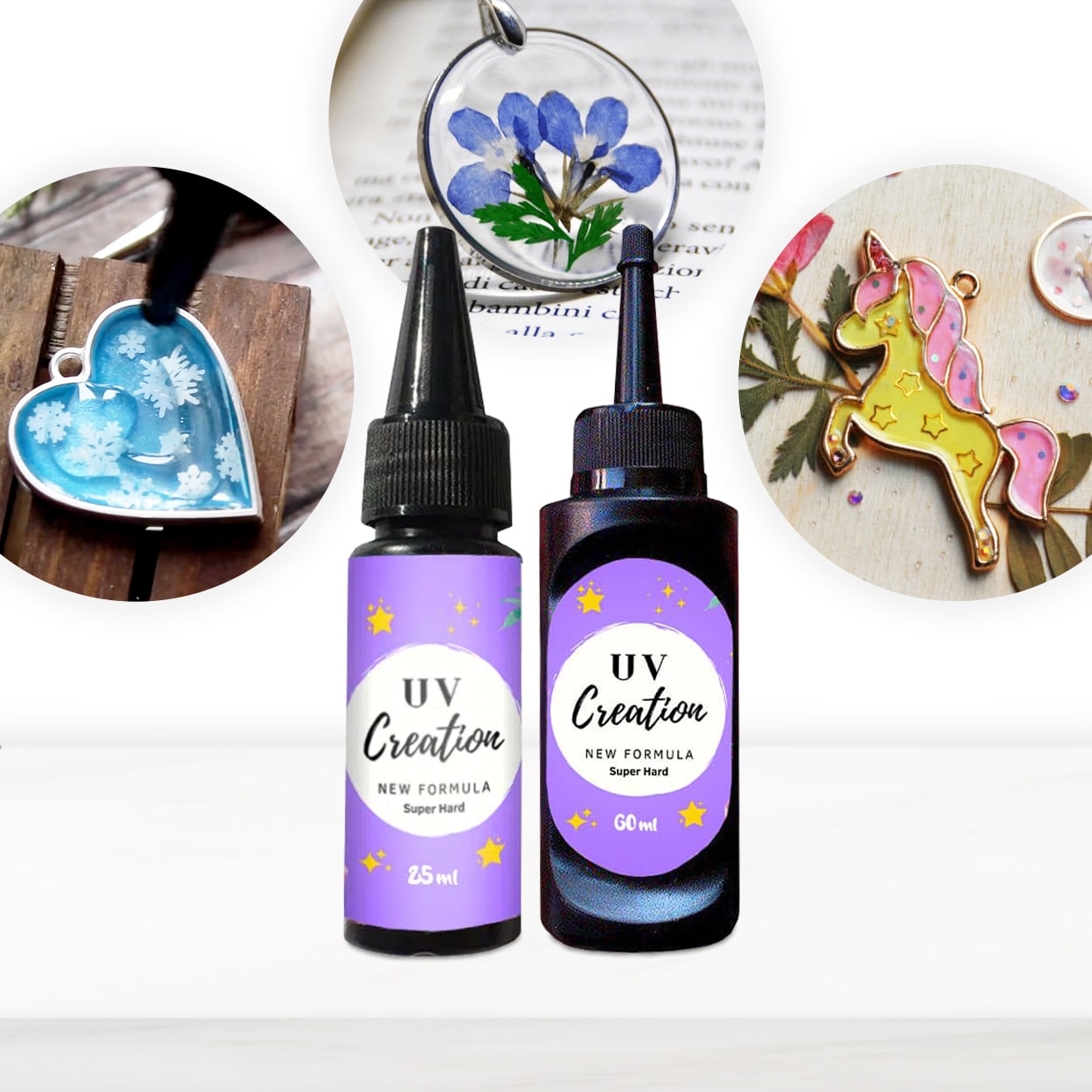 "UV–Creation" – Fast Acrylic Resin, 3 Minute UV CurePrice range: £8.45 through £62.95UV–Creation is a ready-to-use UV gel resin suitable for jewellery and crafting with a clear, glossy finish in a fast curing process.
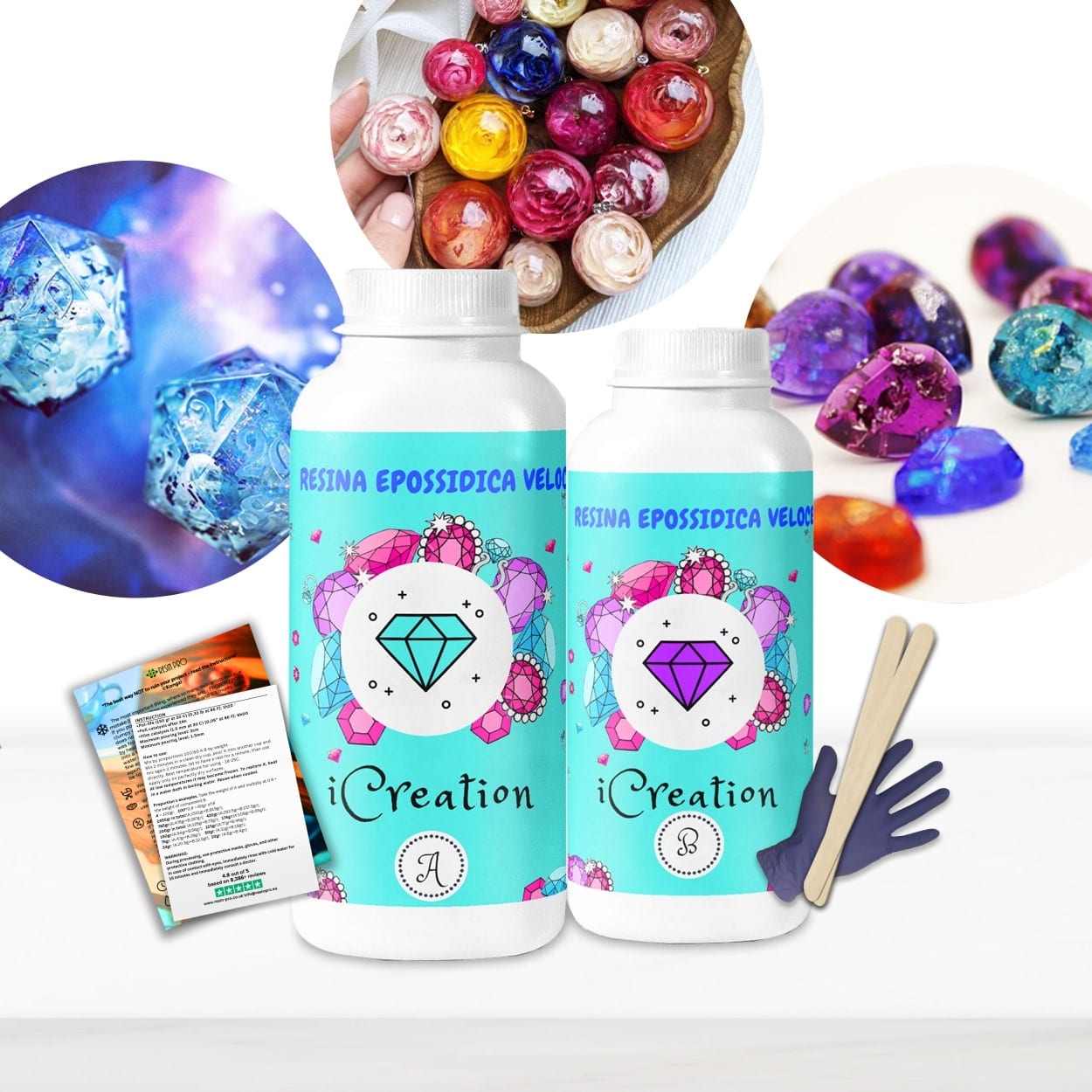 "ICreation" – Fast Epoxy Resin, 6h Demoulding, Transparent Gloss FinishPrice range: £15.95 through £55.95ICREATION fast epoxy resin is designed for rapid results with a clear, glossy finish suitable for jewellery and decorative crafts.
Frequently Asked Questions
What is the hardening phase of resin called?
The hardening phase is most commonly known as curing. In epoxies, it’s also called catalysis.
What affects resin curing time?
Curing time depends on resin type, temperature, curing tools, and mixing ratios.
Can I speed up resin curing?
Yes, with UV lamps for UV resins or by selecting fast-cure epoxies designed for rapid results.
Why won’t my resin harden?
Incomplete mixing, incorrect ratios, or wrong light exposure often prevent curing.
What’s the difference between UV curing and catalysed curing?
UV curing uses light to harden resin instantly, while catalysed systems cure by chemical reaction over time.
Which resins benefit from UV lamps?
Only UV-sensitive and LED gel resins cure rapidly with UV lamps or torches.
Is fast curing resin as strong as standard resin?
Modern fast-cure epoxies and UV resins provide finished results comparable to standard systems.