 Free shipping on orders over £29,85
  Shipping Tracking!


 Google
 Facebook
← Back to How do you sand epoxy resin?
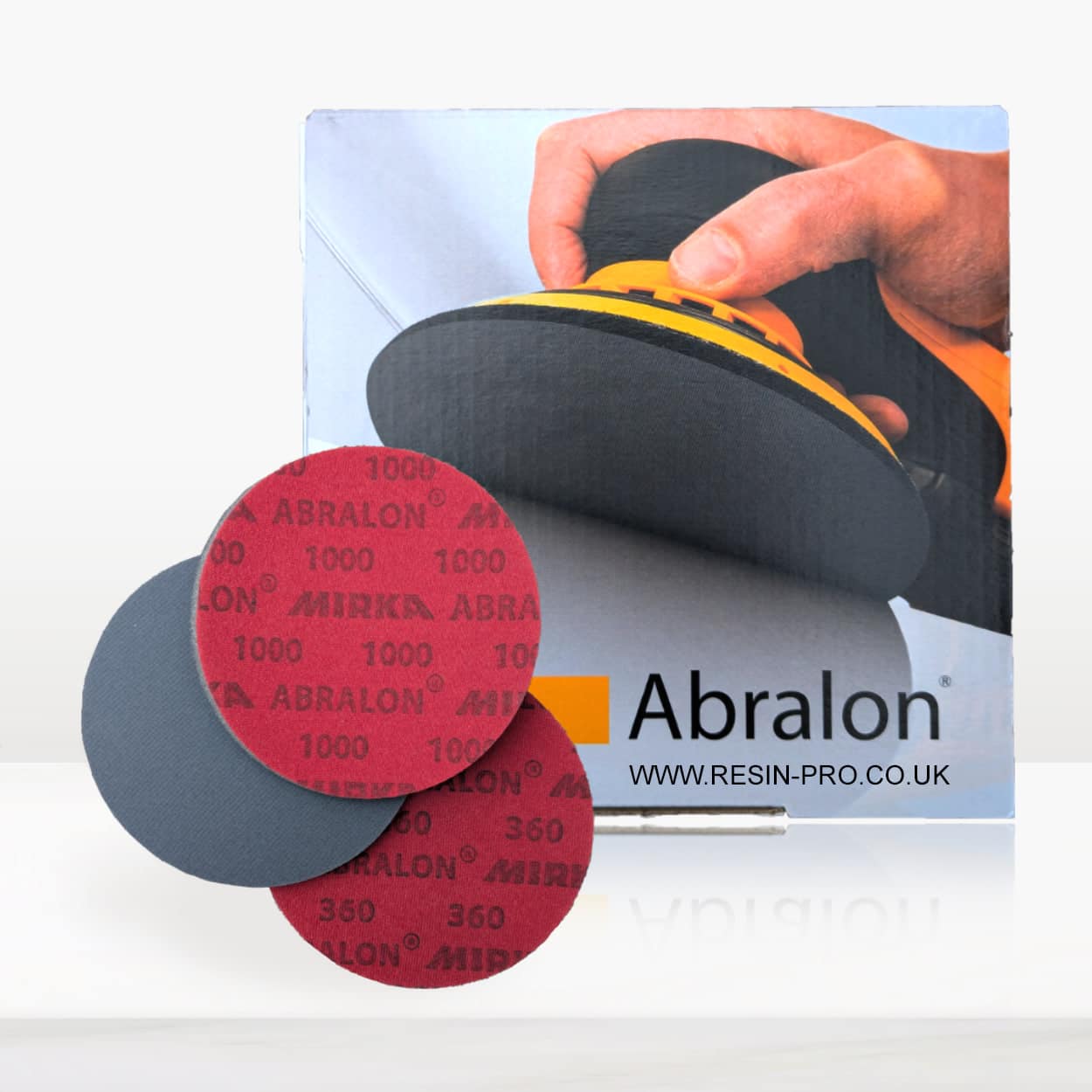
If you want a flawless epoxy resin finish, cleaning between sanding steps makes a real difference. Each stage of sanding should start on a fresh, residue-free surface to reduce the risk of extra scratches and unevenness.
Why Cleaning Between Grits Is Essential
Each time you sand, tiny dust particles and abrasive fragments linger on the surface. If these are not thoroughly removed before moving to a finer grit, the coarser debris can continue to scratch the resin. This means extra work and a less-than-smooth finish. Proper cleaning clears away these particles, letting finer abrasives do their job effectively so your resin surface gets progressively smoother with each step.
How to Clean Epoxy Resin While Sanding
After each sanding stage, use a soft, damp microfibre cloth to gently wipe the surface. If you’re wet sanding, rinse the piece under clean water and gently pat dry. For dry sanding, consider a tack cloth or an air blower to remove every trace of dust. Ensuring a residue-free surface helps achieve the crystal-clear sheen resin artists seek.
For best results, pair these cleaning habits with purpose-made sanding pads designed for resin—such as the “Ebonite Abralon” Sanding Pads—to achieve a consistent, professional finish.
When This Matters Most
- Polishing tabletops, jewellery, or river tables where appearance counts.
- Upgrading from coarse to fine sanding grits.
- Targeting a scratch-free, glossy finish on clear or tinted resin.
Related products
Related guides
Taking the time to clean your resin surface between sanding steps pays off with a noticeably smoother and clearer end result. For more tips on professional finishing, see our main guide on how to sand epoxy resin.